A sobering new survey released by the University of Massachusetts Amherst highlights a significant erosion in President Trump’s political capital, with his approval rating dipping to 32%. The findings underscore a growing disconnect between the administration’s current strategic priorities and the immediate concerns of the American electorate, who are increasingly vocal about their disapproval of the handling of the Iran conflict. This decline is not merely a statistical fluctuation; it represents a deepening divide that bridges foreign policy anxiety and domestic economic instability, forming a dual-front challenge for the administration as it navigates a volatile political environment.
Key Highlights
- Approval Rating Low: President Trump’s approval rating has fallen to 32%, a figure that signals intensifying public skepticism regarding current policy directions.
- Iran Conflict Dissatisfaction: A substantial majority—over two-thirds of Americans—explicitly disapprove of the President’s management of the ongoing Iran war.
- The Economic Link: Rising domestic costs of living are identified as a primary catalyst for voter dissatisfaction, compounding frustration with international conflicts.
- Poll Credibility: The UMass Amherst poll provides a comprehensive look at national sentiment, utilizing rigorous methodology to capture a snapshot of the current political climate.
The Anatomy of Declining Support: Analyzing the UMass Amherst Findings
The landscape of American political discourse is rarely static, but the recent data from the University of Massachusetts Amherst captures a distinct shift in national mood. At the center of this data is the 32% approval rating, a number that serves as a critical indicator of the administration’s current standing with the broader public. By breaking down the data, researchers have identified that the dissatisfaction is not monolithic; it is a complex synthesis of geopolitical fatigue and acute financial stress.
Foreign Policy and the Shadow of Iran
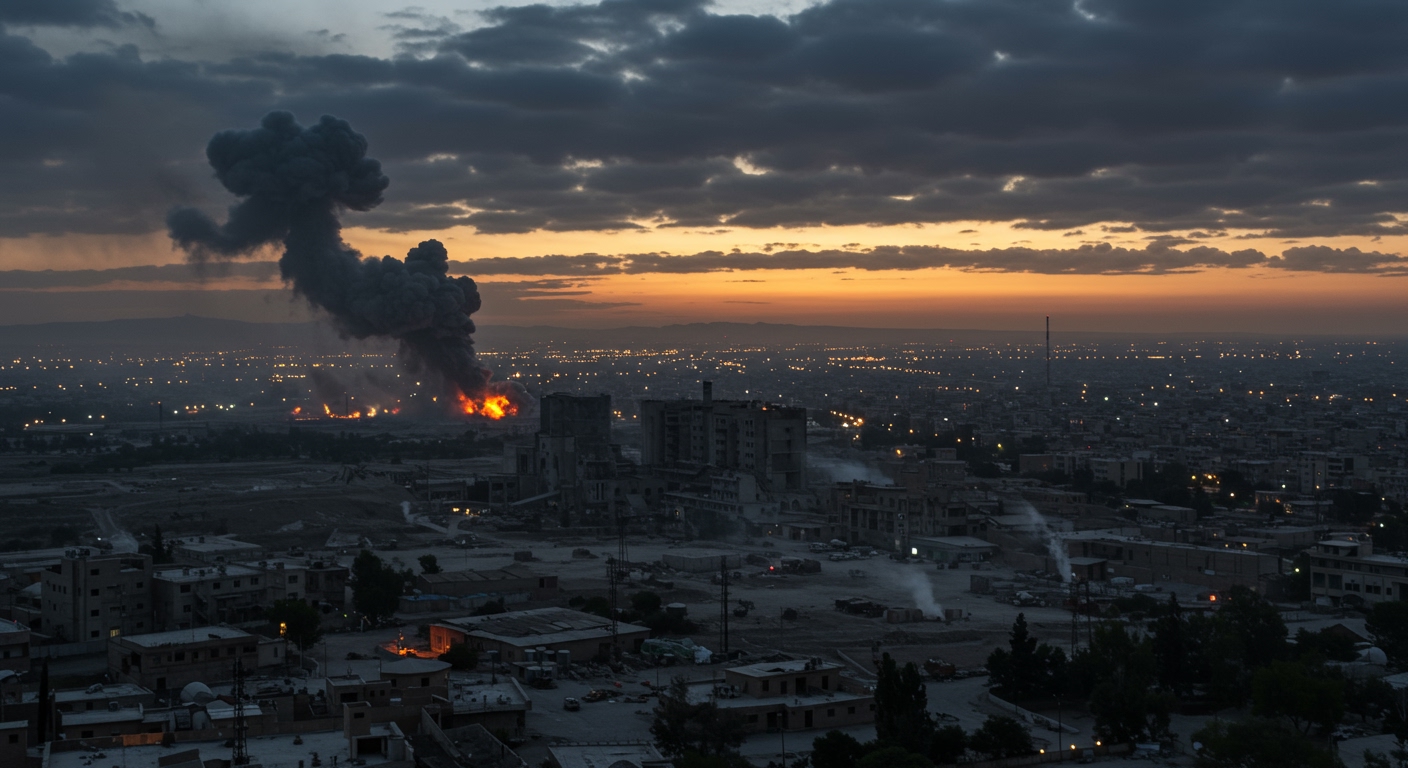
For decades, the American public has approached foreign intervention with a high degree of skepticism, a sentiment that has only intensified during the current escalation in the Middle East. The UMass Amherst poll explicitly highlights that over two-thirds of respondents are dissatisfied with the administration’s handling of the Iran conflict. This high level of disapproval suggests that the electorate is weary of protracted military involvements and skeptical of the stated strategic objectives.
This sentiment is likely driven by the unpredictability of the situation. As geopolitical tensions rise, the risk of escalation remains a constant concern for voters who fear that the situation could spiral beyond the reach of conventional diplomatic or military controls. The administration’s policy, which has been characterized by a firm stance, appears to be clashing with a public desire for containment and diplomatic resolution. When foreign policy becomes the primary driver of disapproval, it creates a difficult narrative for any administration, as the nuances of international relations often struggle to gain traction against the simple, visceral reality of a country potentially moving toward an avoidable conflict.
Economic Strain and the Inflationary Reality



While the Iran conflict serves as a prominent flashpoint, the UMass Amherst survey identifies a secondary, perhaps more pervasive, driver of negative sentiment: the domestic cost of living. The American economy is currently characterized by a duality; while some macroeconomic indicators remain stable, the household-level reality is one of consistent pressure. Rising prices for daily necessities—from energy to groceries—have created a ‘kitchen table’ issue that often outweighs foreign policy successes in the eyes of the average voter.
When voters are forced to prioritize immediate household expenditures over abstract geopolitical goals, political support for the sitting executive invariably wanes. The cost of living acts as a force multiplier for dissatisfaction; it makes every other policy choice, particularly in foreign affairs, seem disconnected from the daily struggles of the working and middle class. This economic anxiety has created an environment where the administration’s messaging on global strength is perceived as secondary to the tangible deterioration of purchasing power. The UMass Amherst poll serves as a stark reminder that if the disconnect between governmental policy and economic reality continues, the erosion of support is likely to accelerate, regardless of the successes achieved in other arenas.
The Methodology and Political Implications
It is essential to understand the gravity of the UMass Amherst findings through the lens of modern polling methodology. By capturing a broad demographic cross-section, the study provides a reliable map of American sentiment. The 32% figure is particularly significant because it suggests that the administration is losing ground not only among traditional opposition groups but also potentially within the independent and moderate cohorts that are essential for maintaining broad governance support.
The political implications are severe. As the administration looks toward future electoral cycles, the persistent dissatisfaction with the Iran policy and the economic status quo poses a formidable challenge. Strategies that worked in earlier stages of the term—such as focusing on aggressive foreign policy or touting broader economic growth metrics—may no longer resonate with an electorate focused on the immediate burdens of their daily lives. If the administration cannot pivot to address these specific grievances, the downward trend in approval ratings may prove to be a structural, rather than a cyclical, shift in public sentiment.
Furthermore, the poll suggests that the narrative surrounding the ‘Iran war’ has moved beyond the halls of Washington and into the consciousness of the average American. When a majority of citizens express an opinion on a complex, international theater of conflict, it indicates a high level of media engagement and a deep-seated public concern. The administration now faces the task of either justifying its current trajectory in a way that aligns with public sentiment or radically shifting its approach to regain the trust of the majority.
FAQ: People Also Ask
1. What is the specific disapproval rate mentioned in the UMass Amherst poll?
The poll indicates that over two-thirds of Americans disapprove of President Trump’s handling of the Iran conflict, contributing to an overall approval rating of 32%.
2. Why are rising costs of living impacting the President’s approval rating?
Economic pressure is a significant determinant of political sentiment. When households struggle with inflation and basic costs, voters often hold the incumbent administration accountable, perceiving a misalignment between government policy and their personal financial reality.
3. Is the dissatisfaction with the Iran conflict limited to a specific political party?
While polling often shows party-line divides, the depth of the dissatisfaction noted in this study (over two-thirds) suggests that the disapproval crosses partisan boundaries, reflecting broader public concern regarding the potential for expanded conflict.
4. What does this poll signify for the future of the administration’s foreign policy?
This data suggests a strong public mandate for a change in approach. It indicates that the current strategy is not effectively communicating its necessity to the public, potentially forcing the administration to prioritize diplomatic avenues over military or confrontational ones to avoid further erosion of support.