The heartbeat of Chicago pulsed with a familiar rhythm this morning as the Chicago House Music Festival and Conference officially opened its gates today, August 27, 2026. Transforming Daley Plaza into a sprawling, open-air sonic sanctuary, the event marks a pivotal moment in the city’s summer cultural calendar, bridging the gap between historical reverence and the future of electronic sound.
Key Highlights:
- Official Commencement: The festival and conference kicked off today, August 27, 2026, at the iconic Daley Plaza.
- Featured Talent: The opening ceremony highlighted live DJ sets from Chicago-native stalwarts Nosha Luv, Cratebug, and Martin Boogieman Luna.
- Venue Significance: Utilizing the Daley Plaza Farmers Market footprint, the event provides a central urban gathering point for electronic music enthusiasts and industry professionals.
- Industry Impact: The conference portion of the festival aims to bridge the gap between legacy producers and the next generation of sound architects.
The Architecture of Sound: House Music Returns to Daley Plaza
There is a specific cadence to a Chicago summer, one defined not just by the heat, but by the relentless, four-on-the-floor kick drums that have defined the city’s musical identity since the early 1980s. Today, that legacy found a home at the center of the city as the Chicago House Music Festival and Conference began its highly anticipated run.
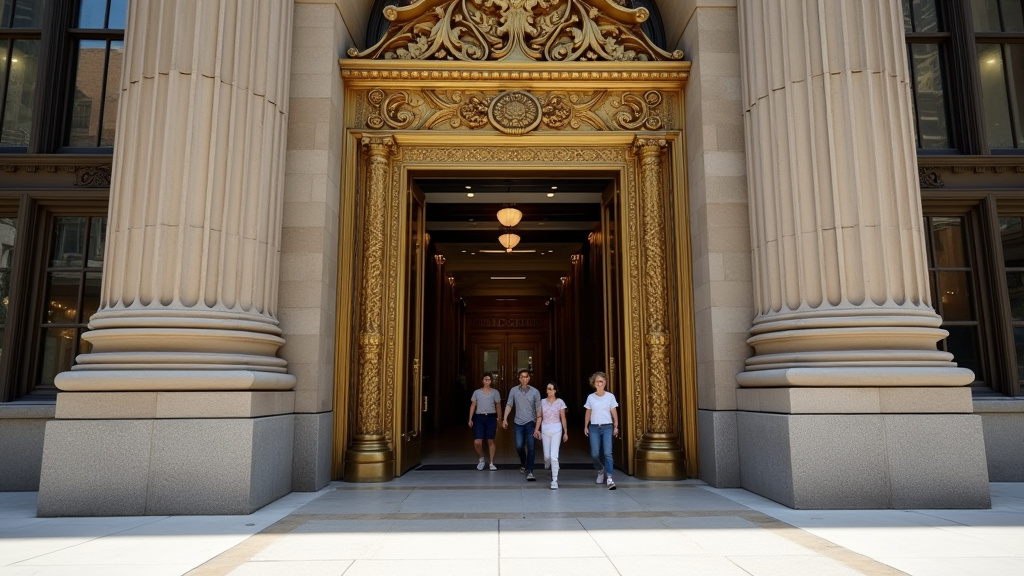
Daley Plaza, typically a hub of civic commerce and the iconic Farmers Market, was reimagined into a festival-ready stage. The logistics of converting this space highlight the city’s deep-seated commitment to its most famous cultural export. As the first basslines echoed off the steel of the nearby Daley Center, it became clear that this year’s event is positioned as both a celebration of history and a rigorous look at the future of the global dance music economy.
The Artists Setting the Stage
The opening day was anchored by a trio of artists who exemplify the evolution of the Chicago sound. Nosha Luv, known for an intricate blending of deep house textures with soulful undertones, brought a nuanced start to the morning. Following this, the energy ramped up as Cratebug took to the decks, providing a masterclass in digging through the archives to find forgotten gems—a hallmark of true Chicago crate-digging culture.
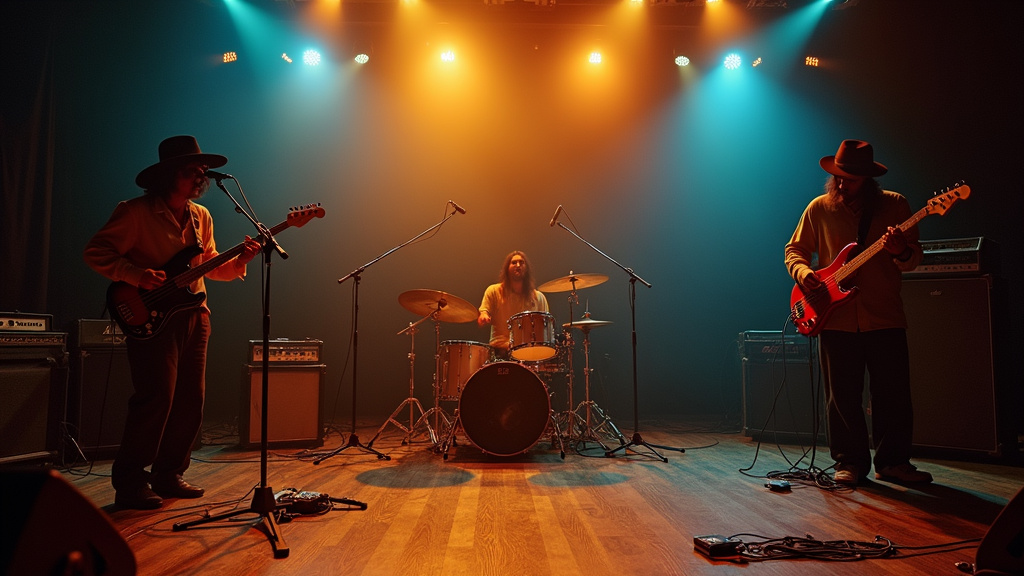

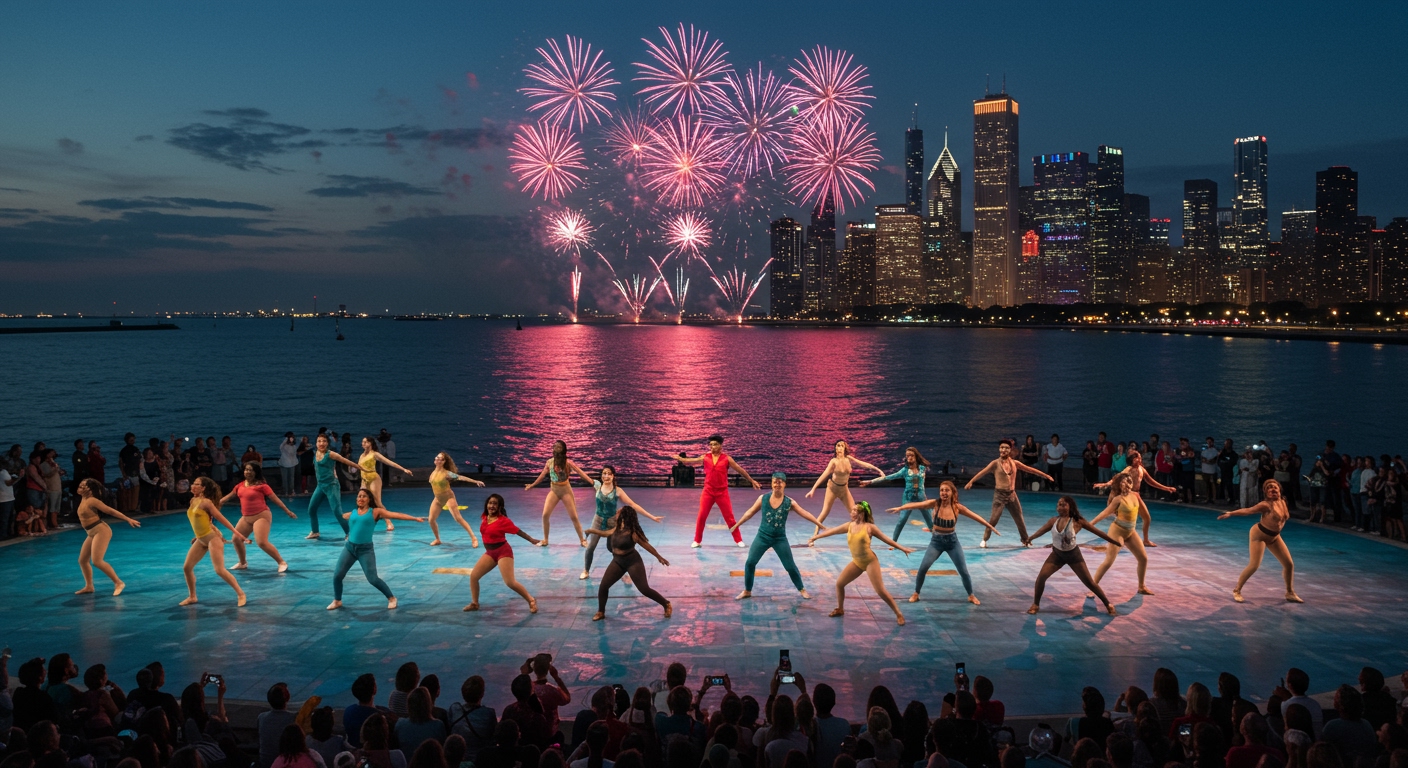

Martin Boogieman Luna concluded the opening phase, leaning into the high-energy, percussive arrangements that defined the late-night warehouse scenes of the previous decades. The selection of these specific artists is intentional; by mixing legacy knowledge with contemporary mixing techniques, the festival organizers are ensuring the “Chicago Sound” remains an evolving entity rather than a static museum piece.
Historical Context: The Warehouse Legacy
To understand the gravity of today’s opening, one must look back at the roots established by legends like Frankie Knuckles and Ron Hardy. House music wasn’t just a genre; it was an act of community building. By hosting the conference in the literal shadow of the city’s government buildings, the festival makes a statement about the legitimacy and economic impact of electronic music on the local economy.
Industry analysts have noted that the 2026 iteration of the festival is prioritizing educational workshops alongside the live sets. These sessions aim to deconstruct the technical aspects of production, vinyl restoration, and the business of independent label management. For a city that has seen its nightlife districts shift and change over the decades, this gathering provides a vital centralized point for industry knowledge transfer.
Urban Revival and Economic Impact
The decision to utilize Daley Plaza is more than aesthetic; it is economic. By drawing crowds into the central business district on a weekday, the festival serves as a catalyst for local commerce. Throughout the morning, foot traffic in the plaza swelled, with a diverse crowd of music enthusiasts, tourists, and downtown professionals converging to witness the opening sets.
This “activation” of public space is a strategic move by the city’s cultural planners. It suggests a blueprint for urban recovery where major cultural events serve to bridge the gap between traditional work hours and nighttime entertainment. As the festival progresses throughout the week, the fusion of daytime conference panels and evening DJ showcases is expected to drive significant revenue into the surrounding hospitality and dining sectors.
Technological Evolution in the Booth
One of the secondary angles being explored at the conference this year is the synthesis of analog and digital tools. While the spirit of House music remains rooted in the classic Roland TR-808 and TR-909 drum machines, modern producers are increasingly utilizing AI-assisted mastering and complex digital signal processing (DSP) to push the sonic boundaries of the genre. Attendees of the conference are expected to see firsthand how these technologies are not replacing the human element, but rather providing a more expansive palette for creators like Cratebug to experiment with. The goal is to ensure that the “Chicago Sound” can compete on a global stage where production standards continue to climb in fidelity and complexity.
FAQ: People Also Ask
Q: Why was Daley Plaza chosen for this year’s Chicago House Music Festival and Conference?
A: Daley Plaza was selected for its central location and its status as a vital civic hub, allowing the event to integrate with the city’s urban environment and maximize visibility and accessibility for both locals and tourists.
Q: Who are the key artists performing during the kickoff?
A: The opening day featured performances from Nosha Luv, Cratebug, and Martin Boogieman Luna, each representing different facets of the Chicago House sound.
Q: Is this event strictly for entertainment, or is there an educational component?
A: It is both. The event is a dual-purpose festival and conference, featuring live DJ sets alongside professional workshops and panels focused on the production, business, and historical preservation of House music.