August in Chicago is a masterclass in urban energy. Following the massive influx of tourists and music enthusiasts during the Lollapalooza festival, the city undergoes a sophisticated shift in its social calendar. August 2026 has emerged as a month defined by ‘reclaimed luxury’ and the ‘experience economy,’ where visitors and locals alike pivot from mass-scale festivals to intimate, high-end, and highly curated social environments. Whether you are navigating the concrete canyons of the Loop or the culinary corridors of the West Loop, the city’s nightlife scene is currently operating at a peak intensity that prioritizes exclusivity and atmosphere over sheer volume.
The Summer Afterglow: Navigating Chicago’s Post-Lollapalooza Landscape


The economic and cultural ripple effect of Lollapalooza is profound, setting the tone for the entire month of August. Historically, the city sees a transition; as the massive festival crowds disperse, the hospitality sector pivots toward a more discerning clientele. Data suggests that in August 2026, the demand for rooftop venues has surged by an estimated 15% compared to the previous year, driven largely by the convergence of ideal weather conditions and a post-pandemic consumer desire for open-air, high-visibility social spaces. This shift isn’t merely about aesthetics; it is a tactical evolution in how Chicago’s hospitality leaders are managing space. By focusing on elevated perspectives—quite literally—venues are capitalizing on the ‘vertical city’ phenomenon. The architecture of Chicago’s skyline serves as a permanent, high-value asset, and businesses are maximizing this by integrating climate-controlled features that allow for extended outdoor usage throughout the late summer nights.
The Rise of the Skyline: Rooftops and Urban Architecture
The rooftop scene in Chicago has evolved far beyond basic cocktails and plastic patio furniture. In 2026, we are witnessing an era of ‘architectural dining,’ where the design of the rooftop is as significant as the menu itself. From the high-rises in River North to the more industrial, repurposed structures of Fulton Market, rooftop bars are now multi-level, biophilic-designed hubs. These spaces are incorporating greenery, retractable glass walls, and localized acoustic engineering to combat the city’s inherent urban noise. For the August visitor, this means venues like those near the Chicago Riverwalk offer more than just a view; they offer a curated ‘sky-lounge’ experience that is distinct from the ground-level chaos of the city. The integration of sustainable materials and native plant life into these rooftop designs is a key trend, reflecting a broader commitment to urban biodiversity while catering to a market that demands eco-conscious luxury.
The ‘Experience’ Shift: Why Pop-Ups Are Redefining Bars
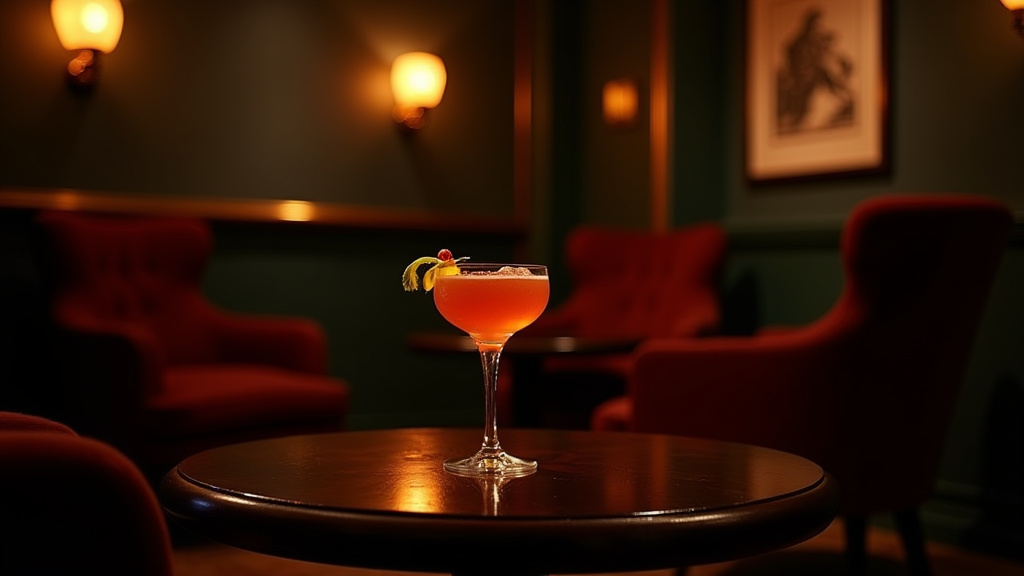
Beyond the rooftops, the ‘immersive pop-up’ has become the cornerstone of Chicago’s nightlife culture. No longer satisfied with a standard speakeasy aesthetic, venue owners are now turning to deeply thematic, time-sensitive pop-up experiences. These range from high-concept art installations that serve cocktails to narrative-driven environments that change monthly. In August 2026, the focus is on ‘escapism.’ Guests are looking for environments that detach them from the standard ‘bar’ paradigm. By limiting the lifespan of a specific theme—often to just 6-8 weeks—these venues create a ‘fear of missing out’ (FOMO) that drives consistent, high-value foot traffic. This strategy has proven remarkably effective at sustaining revenue throughout the late summer ‘lull’ that traditionally follows major festivals. These pop-ups are often located in repurposed industrial spaces or repurposed storefronts, allowing for rapid transformation and creative freedom that brick-and-mortar establishments cannot match.
Dining Geography: The Evolution of Date Night Districts
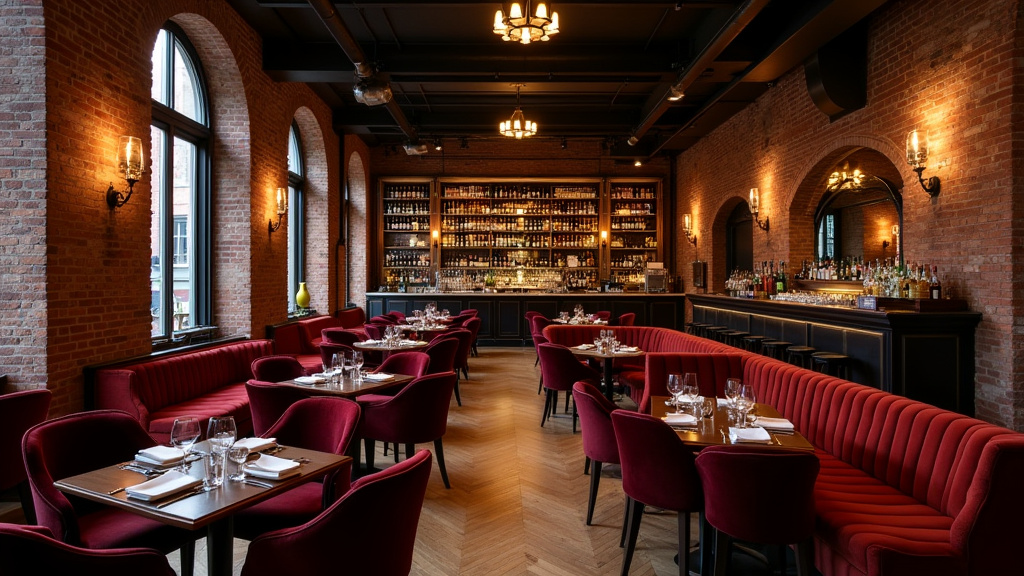
The geography of Chicago’s date night scene is currently concentrated, with the West Loop and Fulton Market acting as the undisputed epicenters. However, the dynamics within these districts have changed. The 2026 model of the ‘perfect date night’ involves a multi-stop itinerary that includes a pre-dinner immersive activity (such as an interactive art exhibit), followed by a high-end reservation in a neighborhood where the chef’s philosophy is as important as the ingredients themselves. The data points to a preference for ‘hyper-local’ sourcing—not just in food, but in atmosphere. When couples choose where to spend their August evenings, they are selecting districts that offer ‘walkability and variety.’ The West Loop’s ability to combine industrial grit with high-gloss luxury service remains unmatched, yet new hotspots are emerging in the outskirts of the neighborhood, where smaller, chef-driven concepts are finding room to innovate away from the main commercial arteries.
The Economic Impact of the ‘Social Peak’
The social landscape of Chicago in August is a vital economic engine. It is estimated that late-summer social spending—encompassing dining, nightlife, and event-based tourism—accounts for a significant percentage of the hospitality sector’s quarterly revenue. By curating the experience to be more than just a transactional ‘night out,’ these businesses are fostering a culture of repeat visitation. Furthermore, the reliance on advanced reservation systems and digital booking platforms has streamlined the ‘date night’ process, allowing for a more sophisticated management of guest flow and wait times. As we look toward the remainder of the summer, the trajectory for Chicago’s nightlife is clear: the focus remains on the marriage of high-concept design, architectural utilization, and a move toward the ‘experience economy’ that values time and memory as much as the product being consumed.