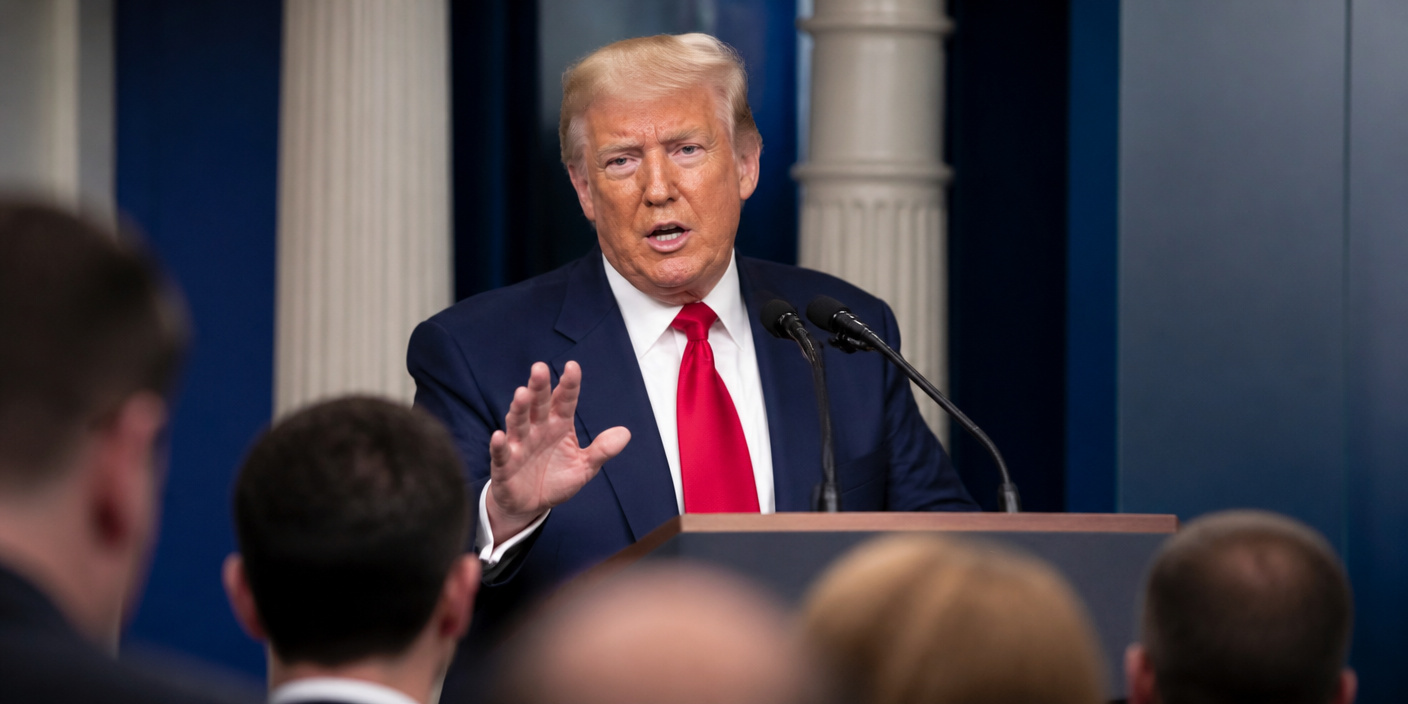
The window for diplomatic maneuverability is rapidly closing as Canadian trade officials engage in urgent, high-stakes negotiations to present a new, comprehensive proposal to President-elect Donald Trump. This initiative is designed to preemptively address concerns and avert a looming 50% tariff on hundreds of Canadian goods—a trade barrier that threatens to destabilize regional economies, disrupt integrated supply chains, and fundamentally alter the decades-long economic partnership between Ottawa and Washington. As the deadline approaches, the Canadian government is leveraging every available diplomatic channel to demonstrate the mutual benefits of the current North American trade framework, aiming to stave off what analysts warn could be a severe and immediate contraction in cross-border commerce.
Key Highlights
- A new trade proposal is currently being finalized by Canadian officials to address U.S. administration concerns and prevent a 50% tariff on Canadian imports.
- The proposed measures aim to highlight the interdependence of the North American automotive and energy sectors, arguing that tariffs would disproportionately harm U.S. consumers and manufacturing.
- Negotiations are prioritizing the preservation of the United States-Mexico-Canada Agreement (USMCA) framework, which has governed continental trade since its inception.
- Economic analysts caution that a 50% tariff would likely lead to immediate inflationary pressure, supply chain bottlenecks, and significant job losses across both nations.
Navigating the Trade Storm: The Push for a New North American Pact
The Pressure Cooker: Understanding the 50% Tariff Threat
The current trade climate is defined by an unprecedented sense of urgency. The threat of a 50% tariff on Canadian goods represents a tectonic shift in North American trade policy, moving away from the collaborative framework established under the United States-Mexico-Canada Agreement (USMCA) toward a more protectionist and transactional approach. For Canadian negotiators, the objective is not merely to argue against the economic damage but to pivot the conversation toward strategic alignment. By framing the Canadian economy as a vital extension of the American industrial base rather than a foreign competitor, officials are attempting to create a narrative that aligns with the incoming administration’s focus on domestic manufacturing and national security.
This negotiation strategy relies heavily on the historical integration of both nations’ markets. Unlike trade relationships with many overseas partners, the Canadian-U.S. connection is characterized by deeply embedded supply chains. When a vehicle is assembled in an American plant, it often contains components that have crossed the Canada-U.S. border multiple times. Applying a 50% tariff to these goods would effectively tax American manufacturers, raising the cost of end products for U.S. consumers and making domestic producers less competitive on the global stage. This is the central argument Canadian representatives are presenting: that these tariffs are not just a strike against Canada, but a self-inflicted blow to U.S. economic efficiency.
Strategic Diplomacy: Behind the Canadian Counter-Proposal
Behind the closed doors of trade offices in Ottawa and Washington, the counter-proposal being drafted is multifaceted. It involves granular data sets designed to illustrate the net-positive flow of goods, services, and capital between the two neighbors. Canadian Deputy Prime Minister Chrystia Freeland and her team are tasked with a delicate diplomatic dance—firmly defending Canadian interests while acknowledging the political pressures facing the incoming Trump administration.
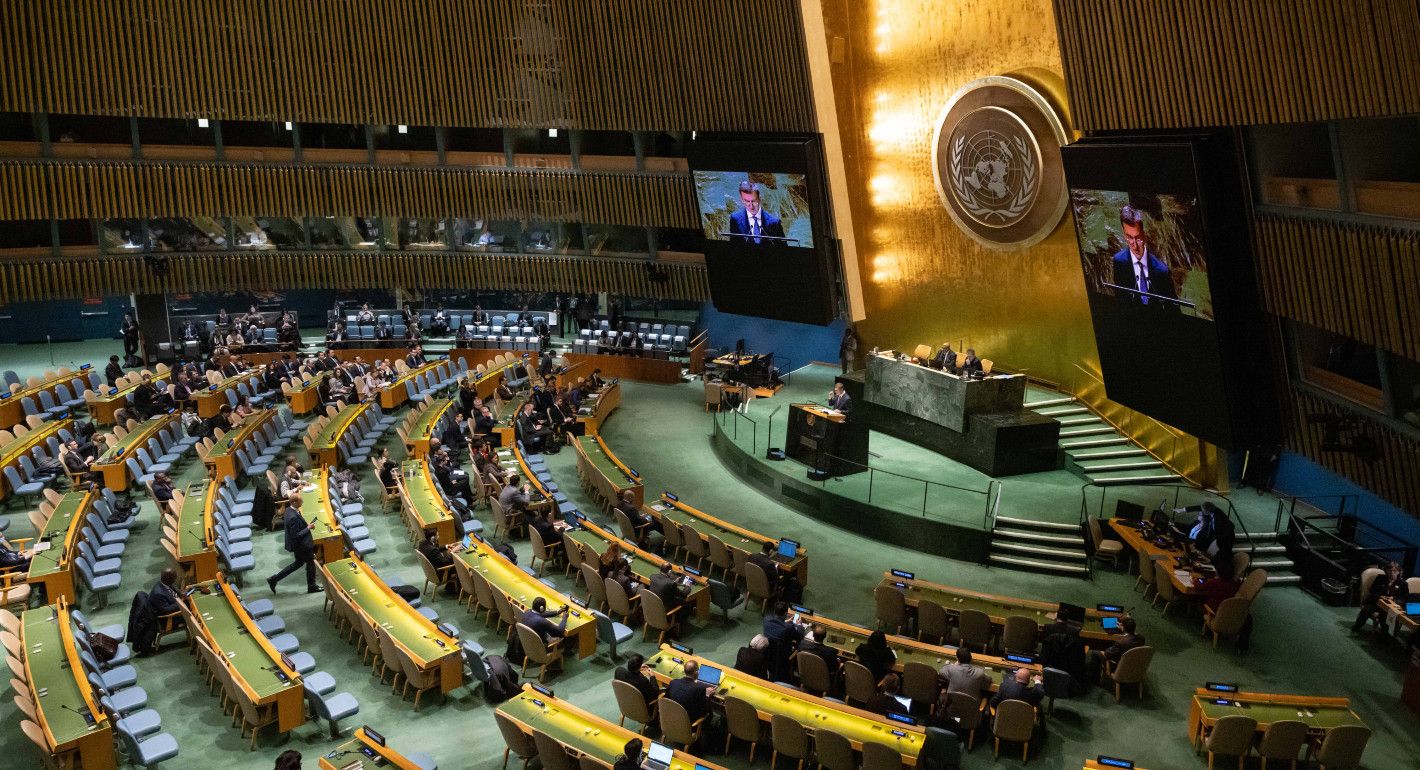



One core element of the new pitch involves energy security. Canada remains the largest supplier of oil, natural gas, and electricity to the United States. In an era where energy independence and reliability are paramount, Canadian officials are highlighting the strategic advantage of a secure, stable energy partnership. The pitch emphasizes that any tariff-induced disruption in energy imports would create immediate volatility in U.S. energy prices, a scenario likely to be politically unpalatable for any administration focused on growth and affordability.
Furthermore, the proposal touches upon regulatory alignment. By suggesting tighter cooperation on border security and customs enforcement, Canada is attempting to address the U.S. concerns about illegal immigration and illicit goods, hoping to separate the complex issue of trade policy from broader border security debates. This strategic decoupling is essential to the success of the pitch, as it moves the focus away from inflammatory rhetoric and back to the concrete, quantitative realities of trade statistics.
Economic Ripples: Who Wins and Who Loses?
The economic implications of a 50% tariff are not limited to industrial sectors. A broad application of these tariffs would likely trigger a domino effect across the North American financial landscape. Small and medium-sized enterprises (SMEs) that rely on just-in-time inventory systems would face immediate liquidity crises as costs for raw materials surge. The agricultural sector, which already operates on thin margins, would face insurmountable barriers to entry in the U.S. market, potentially leading to a sharp rise in grocery prices for American households.
Beyond the immediate supply chain issues, there is the question of long-term investment. If the certainty provided by the USMCA is undermined, international corporations may rethink their North American investments. The region has long been viewed as a single, competitive block; if that block is fractured, capital may flee to more stable jurisdictions in Europe or Asia. This potential flight of capital is perhaps the most significant, yet intangible, cost of the tariff threat. Canada is positioning its new pitch as a safeguard not just for its own economy, but for the credibility of the entire North American investment environment.
As the negotiations proceed, the role of state-level relationships in the U.S. has also come to the fore. Canadian officials are working to engage directly with American governors and legislators whose states rely heavily on Canadian trade. By building a coalition of domestic U.S. allies—specifically in states like Michigan, Ohio, and New York, where automotive and manufacturing sectors are deeply intertwined with Canadian inputs—Canada aims to apply internal political pressure on the federal administration to rethink the 50% tariff mandate. This grassroots approach, paired with high-level diplomacy, represents the most comprehensive effort to avert a trade war in the modern era.
FAQ: People Also Ask
1. Q: Why is President-elect Trump considering a 50% tariff on Canadian goods?
A: The tariff proposal is largely driven by a protectionist trade philosophy aimed at reducing the U.S. trade deficit, increasing domestic manufacturing, and leveraging trade policy to address broader concerns, including border security and immigration management.
2. Q: How would a 50% tariff on Canadian imports affect American consumers?
A: A tariff of this magnitude would likely lead to increased prices for automobiles, construction materials, and energy, as many of these products rely on cross-border supply chains. Inflationary pressure would be felt directly at the checkout counter.
3. Q: Is the USMCA still in effect, and does it prevent these tariffs?
A: The USMCA is still in effect, but the incoming administration has indicated a willingness to revisit or test the limits of trade agreements to achieve specific policy outcomes. The current Canadian pitch aims to reinforce the binding nature of these agreements while offering supplemental cooperation.
4. Q: How dependent is the U.S. on Canadian energy?
A: Canada is the largest foreign supplier of oil and natural gas to the United States. Energy security is a top priority for Washington, and Canadian officials are emphasizing that any disruption to these flows would cause immediate price spikes for American energy consumers.