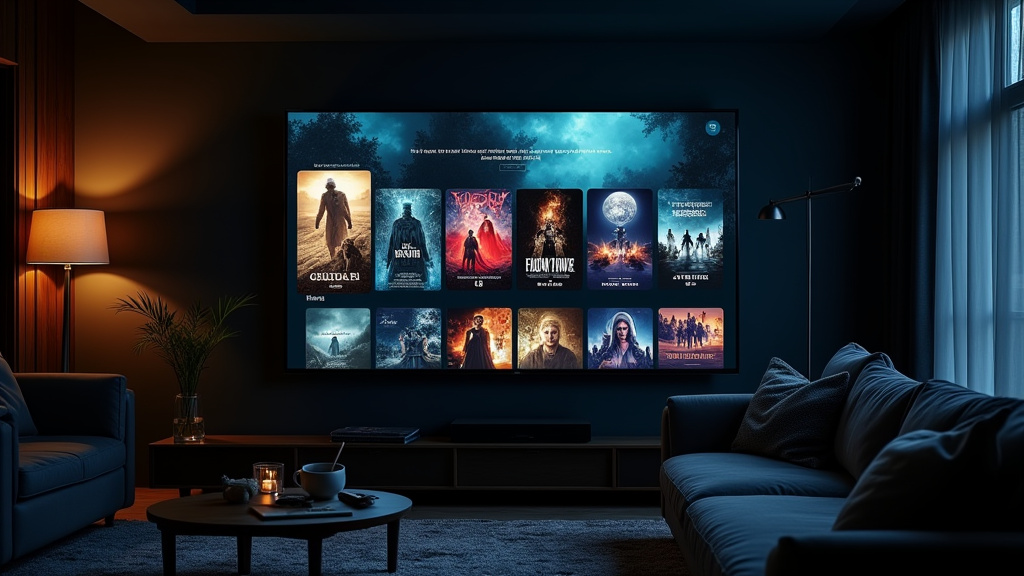
The landscape of digital content distribution continues to evolve as the week of August 21, 2026, marks a pivotal moment for Mubi, the global platform synonymous with auteur cinema and arthouse curation. While major streamers focus on mass-market volume, this week’s lineup underscores a shift in consumer demand toward specialized, prestige titles that prioritize thematic depth over algorithm-driven engagement. Leading the charge are two distinct, high-impact acquisitions: the biting satirical drama Rosebush Pruning and the atmospheric horror title Passenger.
Key Highlights
- Mubi’s Strategic Coup: The platform solidifies its reputation for high-brow curation by acquiring two diverse, critically acclaimed titles simultaneously.
- Genre Versatility: The week’s offerings balance the intellectual weight of satire with the visceral tension of horror, catering to the increasingly fragmented interests of modern streamers.
- The ‘Boutique’ Advantage: With industry giants saturating the market, Mubi’s targeted approach to film distribution provides a distinct competitive edge for cinephiles.
The Resurgence of Curated Streaming
For the average viewer, the sheer volume of content arriving on platforms like Netflix, Max, or Disney+ can often lead to a phenomenon known as ‘decision paralysis.’ However, Mubi’s release strategy for the week of August 21, 2026, offers a masterclass in effective curation. By focusing on quality over quantity, the platform is betting on the long-tail value of films like Rosebush Pruning and Passenger. This strategy reflects a broader industry trend where subscribers are increasingly willing to pay for ’boutique’ platforms that serve as tastemakers rather than mere content warehouses.
Analyzing ‘Rosebush Pruning’
Rosebush Pruning arrives on Mubi with significant critical buzz, positioning itself as the defining satirical drama of the quarter. The film explores the intricate, often grotesque dynamics of family structures and social climbing, utilizing sharp dialogue and surrealist imagery to critique modern excess. Its debut on a platform known for its film-festival pedigree suggests that the film aims to capture the same audience that propelled titles like The Menu or Triangle of Sadness to cultural relevance. The film’s pacing and distinct visual language are engineered to spark discourse, making it the perfect ‘watercooler’ film for the arthouse community.
The Horror Evolution in ‘Passenger’




Conversely, the horror genre is undergoing a renaissance, moving away from jump-scare reliance toward ‘elevated horror’ or atmospheric dread. Passenger exemplifies this shift. By focusing on psychological entrapment and environmental tension, the film taps into the audience’s desire for immersive, unsettling experiences. Horror, as a genre, has proven to be the most resilient against the economic downturns that sometimes plague the broader film industry, as it remains a consistent draw for younger demographics. Mubi’s inclusion of Passenger alongside a satirical drama illustrates a sophisticated scheduling philosophy: pairing ‘high art’ with ‘visceral thrill’ to keep retention rates high throughout the weekend.
The Economic Impact of Niche Distribution
Behind every release lies a complex financial ecosystem. The licensing of Rosebush Pruning and Passenger represents a calculated investment in exclusive rights that define a brand’s identity. In an era where subscribers frequently ‘churn’ (cancel and resubscribe) based on content availability, holding onto unique, high-quality assets is the only way for smaller platforms to retain users. The economic sustainability of Mubi, and platforms like it, depends on the ‘halo effect’—where one successful, buzzworthy film brings subscribers to the platform who then proceed to explore its deep back catalog of world cinema.
Future Predictions: The ‘Weekend Stream’ Behavior
As we look toward the end of Q3 2026, the data suggests that viewer behavior is firmly anchored in the ‘weekend stream’ cycle. Release windows are increasingly condensed, with most major titles dropping on Thursday to generate social media momentum by Friday night. This behavior is driving a shift in marketing spend; platforms are now prioritizing ‘event-based’ launches rather than slow-rollout strategies. We anticipate that as the year closes, we will see even more aggressive acquisition strategies from boutique platforms attempting to grab market share from the legacy streaming giants.
FAQ: People Also Ask
Q: Why is Mubi focusing on such specific genres for this release cycle?
A: Mubi’s brand identity is built on curation. By selecting films like Rosebush Pruning and Passenger, they are not just providing content; they are providing a branded experience that attracts a specific, loyal demographic of cinephiles who value quality over the ‘everything-for-everyone’ approach of mass-market streamers.
Q: Is ‘Passenger’ a wide-release horror movie?
A: No, Passenger is a specialized acquisition. Unlike traditional horror films released with massive studio marketing budgets, it is being distributed through Mubi’s platform, focusing on building a reputation through critical acclaim and word-of-mouth rather than broad theatrical saturation.
Q: How do these titles compare to the streaming landscape of 2025?
A: Compared to 2025, there is a marked decrease in ‘disposable’ content. Platforms are increasingly curating smaller lists of ‘prestige’ items to reduce costs and increase the perceived value of their subscription libraries.
Q: Can I access these films outside of the Mubi platform?
A: As of August 21, 2026, these titles are exclusive streaming debuts on Mubi. While they may eventually reach digital rental marketplaces, their primary home is currently the Mubi ecosystem.