In a vivid demonstration of style meeting sustainability, Classy Closet Consignment recently transformed their end-of-summer fashion show into a localized masterclass on the circular economy. Held in the heart of Chicago, the event brought together industry enthusiasts and conscious consumers to celebrate not just the end of the season, but the beginning of a paradigm shift in how urban populations approach their wardrobes.
Key Highlights
- Circular Retail Advocacy: The event served as a high-visibility platform to educate attendees on the mechanics of circular retail models and their role in reducing textile waste.
- Community-Centric Talent: The show featured local Chicago stylists and models, reinforcing the link between hyper-local community building and sustainable fashion choices.
- End-of-Summer Momentum: Leveraging the seasonal shift, organizers successfully showcased transitional pieces, proving that pre-loved, high-quality garments offer seasonless versatility.
- Positive Consumer Reception: Early post-event feedback highlights a significant uptick in interest regarding consignment options, signaling a shifting consumer preference away from fast-fashion conglomerates.
The New Economics of Circular Fashion
The recent showcase by Classy Closet Consignment was more than an aesthetic display; it was a potent argument for the economic viability of the circular economy. In an era where global textile waste has become a critical environmental concern, the consignment model offers a tangible solution that benefits both the consumer’s wallet and the planet. By focusing on ‘circular retail’—a system where clothing is kept in use for as long as possible through resale, repair, and upcycling—Classy Closet has positioned itself at the vanguard of a burgeoning Chicago movement.
During the runway presentation, the focus remained on the lifecycle of the garment. Each piece selected for the show was curated to demonstrate that high-end fashion does not require a linear, resource-intensive production cycle. For the attendees, this provided a clear visual narrative: luxury is not defined by being the first owner, but by the quality, durability, and character of the clothing itself.
Why Chicago is a Hub for Sustainable Retail


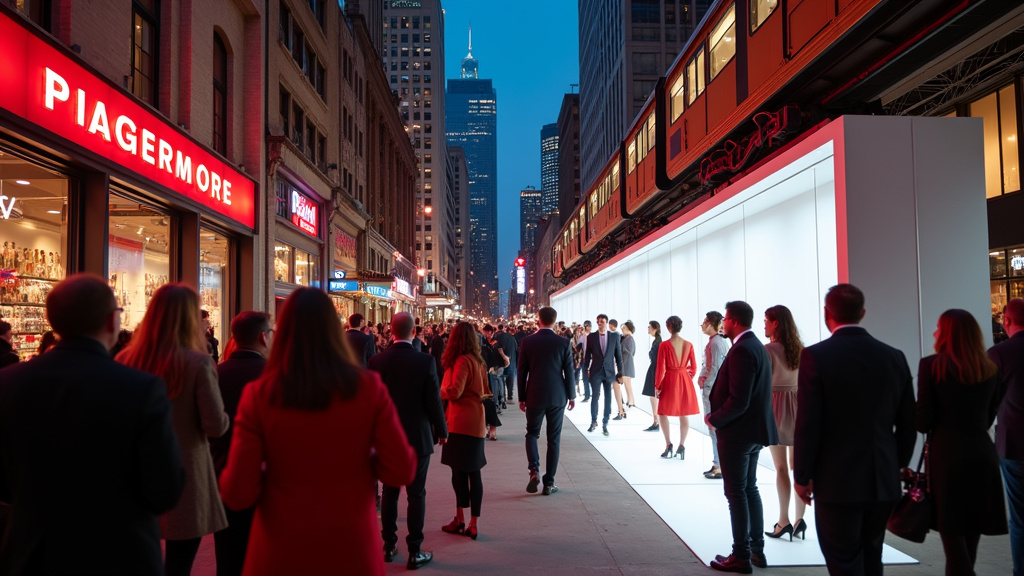
Chicago has long served as a unique crossroads for diverse fashion influences, and this event underscored the city’s capacity to lead in sustainable consumption. The integration of local talent was a strategic move that amplified the impact of the message. By featuring local stylists who understand the city’s specific climate and cultural vibe, the organizers ensured that the sustainable choices presented were not only environmentally friendly but also inherently wearable.
This localized approach contrasts sharply with the anonymous nature of fast-fashion retail chains. When consumers connect with the people behind the clothes—the curators and the local models—they are more likely to adopt long-term purchasing habits that support local economic ecosystems rather than offshore manufacturing hubs. The positive feedback loop observed post-event suggests that Chicagoans are ready to move beyond the disposable nature of current retail trends.
The Future of Pre-Loved Shopping
As the industry looks toward the next fiscal year, the success of this showcase provides a blueprint for small businesses looking to scale. The ‘consignment’ label, once stigmatized as a secondary option, is rapidly evolving into a primary destination for fashion-forward individuals. The organizers utilized this end-of-summer show to demonstrate that the circular model is scalable. By curating pieces that bridge the gap between summer lightness and autumn structure, they highlighted the concept of ‘capsule wardrobes’—a key component of sustainable living.
Moving forward, the challenge for the industry will be maintaining this momentum. However, based on the turnout and the digital conversation sparked by this event, the appetite for high-quality, pre-loved fashion is stronger than ever. It is no longer a niche hobby; it is a mainstream necessity driven by ecological awareness and the desire for unique, authentic style.
FAQ: People Also Ask
Q: What is the circular retail model featured in the show?
A: The circular retail model focuses on extending the lifecycle of products. Instead of the traditional ‘take-make-waste’ model, it emphasizes buying, selling, and reusing high-quality goods, thereby reducing the need for new raw material production.
Q: How does consignment help the environment?
A: Consignment significantly reduces textile waste by keeping perfectly wearable items in circulation, preventing them from ending up in landfills, and lowering the carbon footprint associated with manufacturing new garments.
Q: Is sustainable fashion more expensive than fast fashion?
A: While individual high-end consignment pieces may have a higher price point than mass-produced fast fashion, they offer better value over time. They are typically better constructed, last longer, and provide a lower ‘cost-per-wear’ ratio, making them more economical in the long run.
Q: How can I start shopping sustainably in Chicago?
A: Start by visiting local consignment boutiques like those featured in this showcase. Look for items with natural fibers, inspect the quality of the stitching, and focus on building a versatile wardrobe of timeless pieces rather than buying trend-driven items.