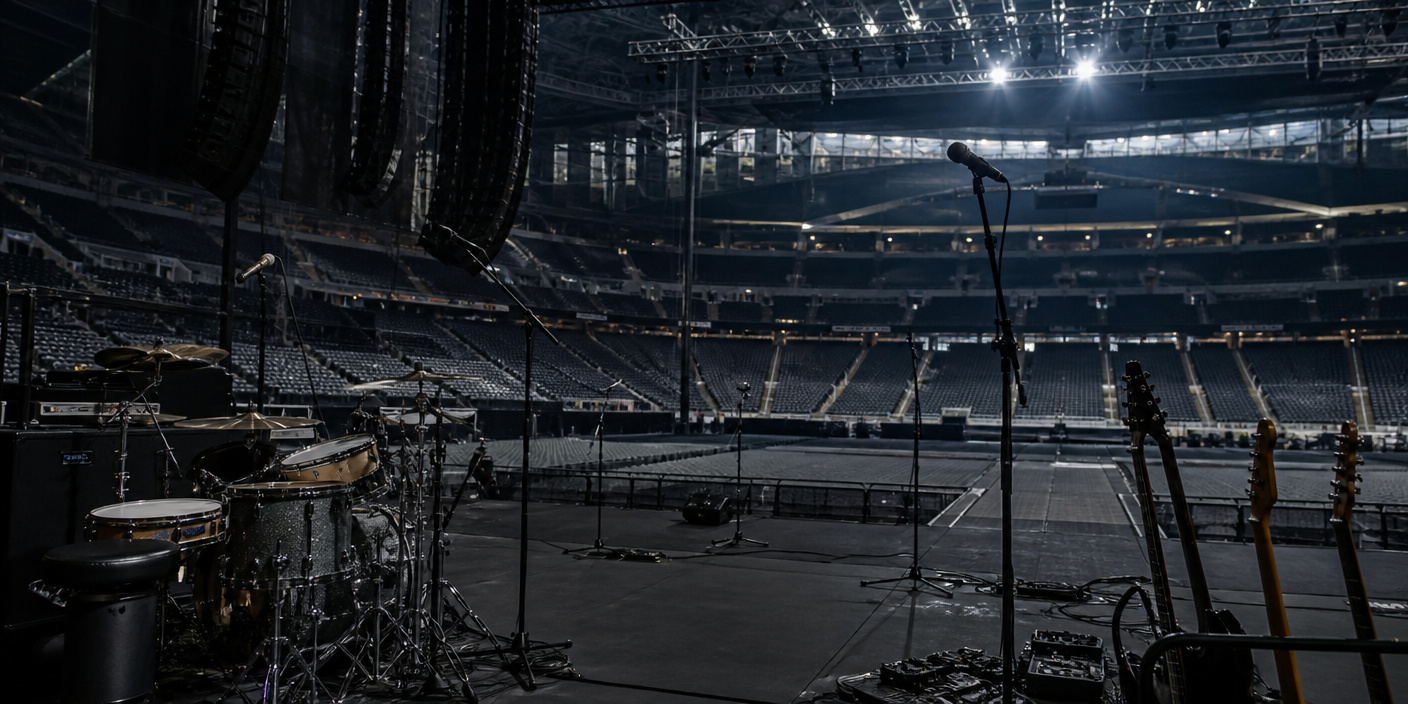
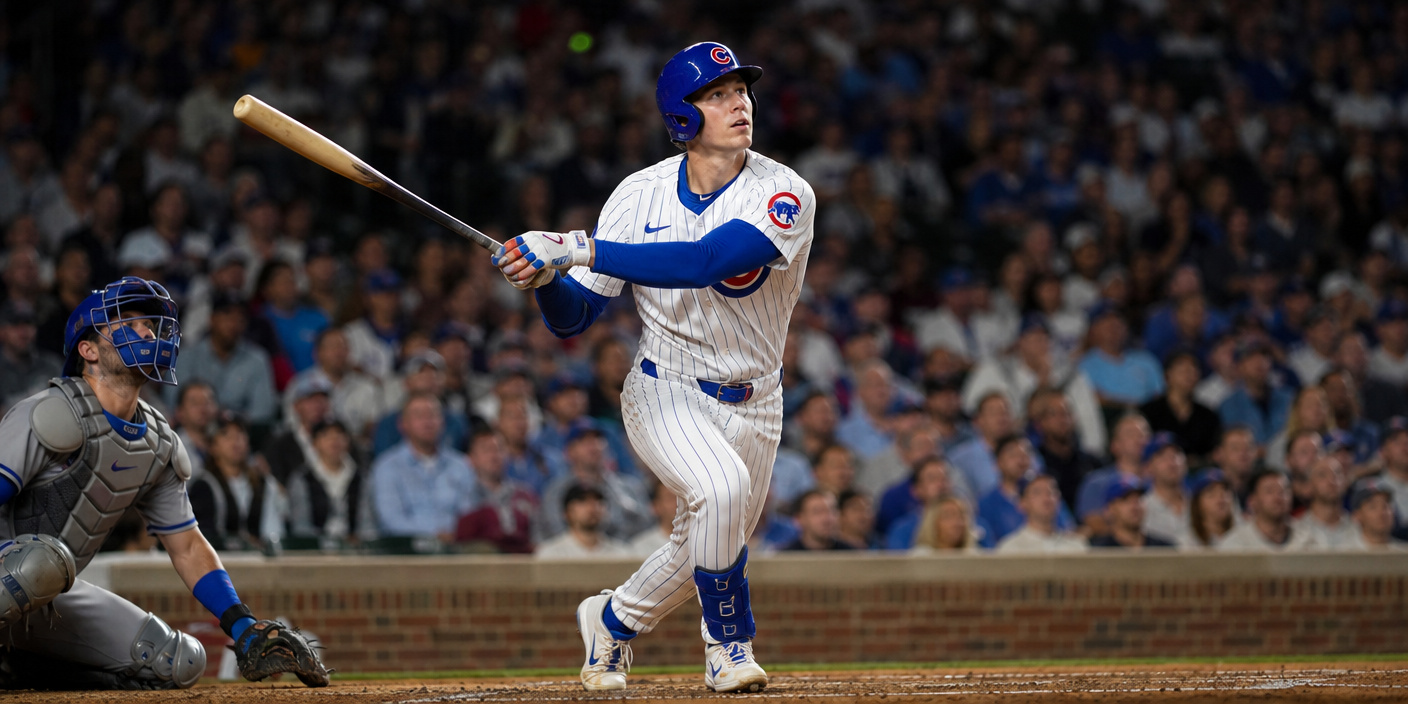
July 31, 2026, marks a critical juncture for Lollapalooza 2026, as the multi-day festival continues its historic residency in Chicago’s Grant Park. With the sun setting over the Chicago skyline, the festival serves as a massive cultural and economic engine for the city’s business district, drawing fans from across the globe to the heart of the Midwest. Today’s schedule is highlighted by high-profile performances from pop icon Charli XCX and the legendary alternative rock outfit The Smashing Pumpkins, grounding the festival in both contemporary trends and local musical heritage.
Key Highlights
- Date: July 31, 2026 (Day 2 of the multi-day event).
- Venue: Grant Park, Chicago, Illinois.
- Featured Acts: Performance headliners include Charli XCX and The Smashing Pumpkins.
- Economic Impact: The festival acts as a primary revenue driver for Chicago’s Loop business district, hospitality, and tourism sectors.
- Cultural Significance: Continues the long-standing tradition of Lollapalooza as a global destination for diverse music and culture.
The Pulse of Grant Park: Lollapalooza’s Urban Legacy
Lollapalooza remains more than just a music festival; it is a complex, synchronized logistical operation that transforms downtown Chicago into a vibrating metropolis of sound and culture. As we reach the July 31, 2026, milestone, the festival has once again proven why it remains the gold standard for inner-city event management. The sprawling lawns of Grant Park, framed by the towering architecture of the Chicago business district, offer a unique contrast between the organic nature of the park and the industrial energy of the city.
The Sonic Spectrum: Charli XCX and The Smashing Pumpkins
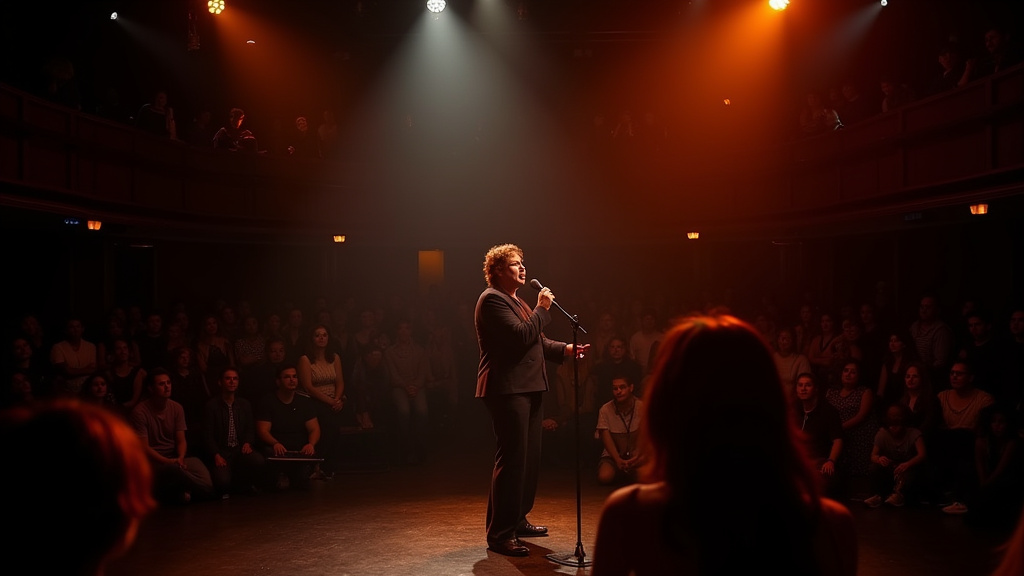
The curation of the 2026 lineup demonstrates a masterful balancing act between current pop-culture zeitgeist and legacy artistry. Charli XCX, known for her relentless innovation in pop music and digital-era performance art, provides the frantic, high-energy pulse that defines the modern festival experience. Her ability to captivate younger, digitally native demographics ensures the festival remains relevant and forward-looking.
In stark contrast—and perfect harmony—are The Smashing Pumpkins. As Chicago natives, their inclusion is not merely a booking; it is a homecoming. The band’s deep connection to the city’s alternative rock history adds a layer of authenticity and nostalgia that grounds the festival. For many attendees, seeing Billy Corgan and his ensemble perform in the shadow of the Willis Tower is the definitive experience of a Chicago summer. This dual-focus approach ensures that the crowd demographics remain diverse, spanning multiple generations of music fans who converge on Grant Park to experience the unique acoustic environment of the city.
The Economic Engine of the Loop
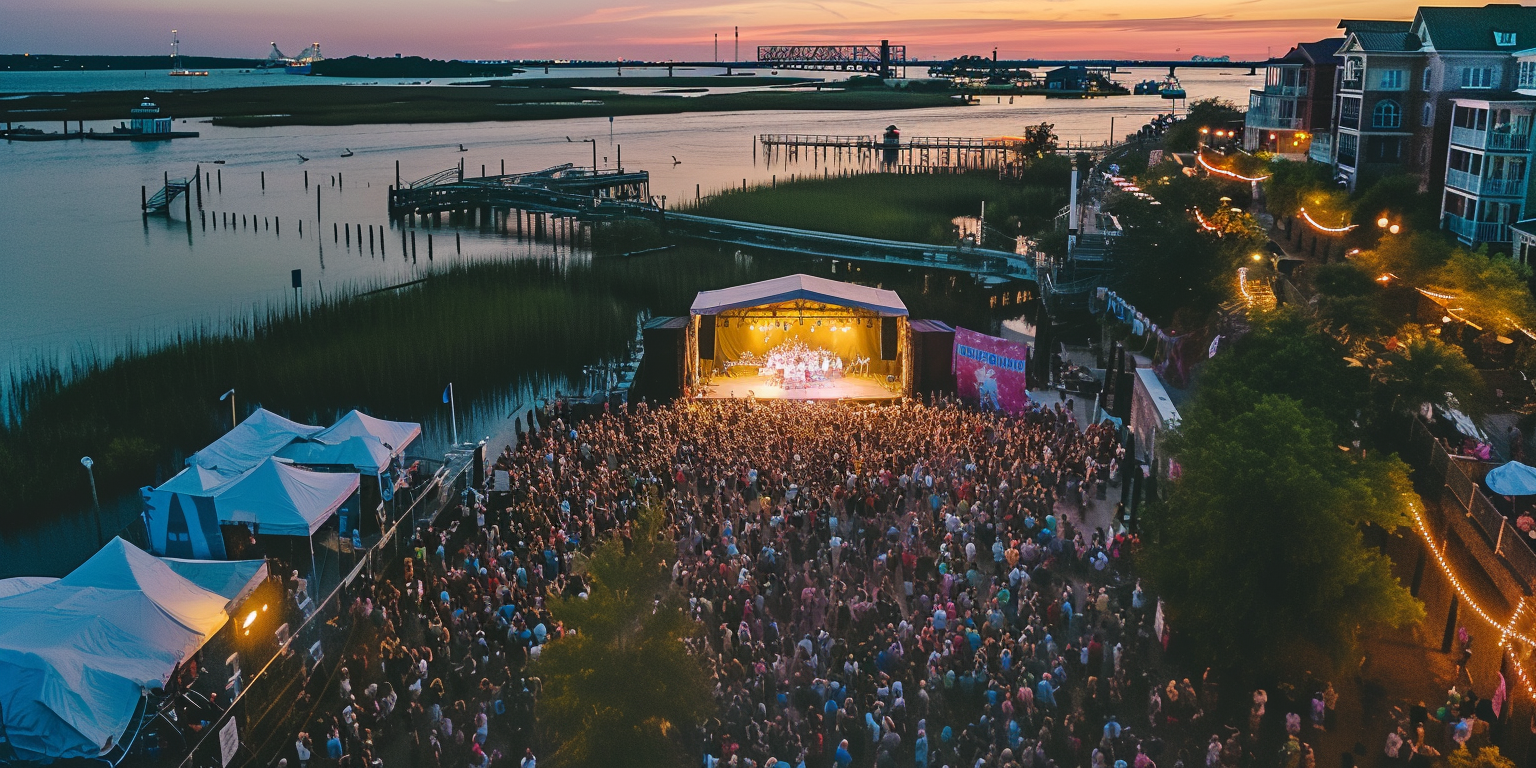
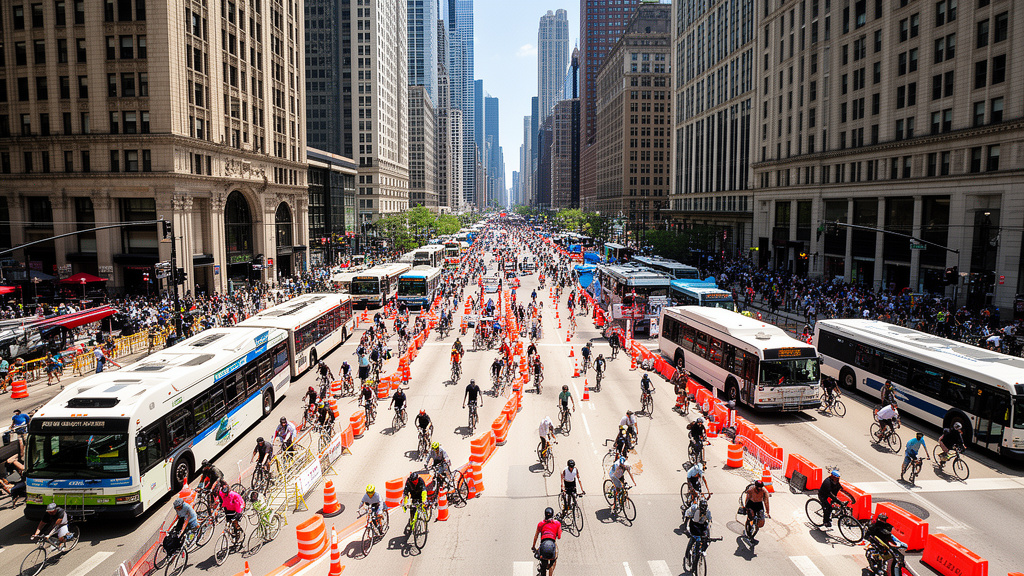
The impact of Lollapalooza on Chicago’s economy is immeasurable. During the late July timeframe, the festival acts as a catalyst for the city’s business district. Hotels, restaurants, and retail spaces in the Loop and surrounding neighborhoods experience a surge in demand that rivals any other annual event in the city. The logistics of moving thousands of fans into and out of the park require precision, involving coordination between the city, local law enforcement, and the event organizers, C3 Presents.
Beyond the immediate revenue, the festival serves as a global advertisement for Chicago. The images of the city skyline backlit by concert stage lights provide a visual identity that persists throughout the year, cementing Chicago’s reputation as a top-tier destination for international tourism. The symbiosis between the festival organizers and the city is a case study in effective urban planning and large-scale event hosting, maintaining the park while providing a platform for massive cultural exchange.
Future Predictions and Sustainability
Looking beyond 2026, the question arises: how does a legacy festival continue to iterate in an era of rapid change? As we analyze the 2026 iteration, it is clear that Lollapalooza is leaning heavily into experiential integration. The festival is no longer just about the audio output; it is about the intersection of tech, fashion, and urban lifestyle. The integration of high-bandwidth connectivity and app-based interactivity has changed how fans experience the music, moving from passive listening to active, digitized participation.
Furthermore, the environmental sustainability initiatives implemented in Grant Park suggest a blueprint for future mega-events. From waste reduction strategies to public transit prioritization, the organizers are navigating the tension between mass attendance and ecological responsibility. As urban spaces become more protected, the future of festivals like Lollapalooza will likely involve even tighter integration with public transit and stricter, tech-enabled environmental mandates, ensuring that the party can continue without degrading the very public spaces that make it special.
FAQ: People Also Ask
1. What is the significance of the July 31, 2026, date for Lollapalooza?
It marks a mid-festival peak where attendance is typically at its highest, featuring a blend of legacy and modern headliners that capture the broadest demographic of the weekend.
2. Where exactly in Chicago does Lollapalooza 2026 take place?
The festival is held in Grant Park, which spans the area between Michigan Avenue and Lake Michigan, effectively occupying the heart of the Chicago business district.
3. Are there major traffic implications for the Loop during the festival?
Yes. Due to the closure of several arterial streets and the influx of hundreds of thousands of attendees, the city implements significant traffic diversion plans, prioritizing public transportation (CTA) as the primary mode of transit for festival-goers.
4. How do organizers manage the environmental impact on Grant Park?
C3 Presents employs extensive turf protection measures, dedicated cleanup crews operating in real-time, and rigorous waste-diversion programs to ensure the park is restored immediately following the conclusion of the event.