The dynamic between Evanston and Northwestern University (NU) has entered a new, more contentious phase. For decades, the relationship between the city and the private research institution has been defined by a mix of symbiotic reliance and fiscal tension. As the Evanston City Council begins deliberating on specific strategies to address and collect payments from Northwestern’s diverse commercial activities, the municipality is signaling that the era of relying solely on indirect economic benefits may be drawing to a close. This move is not merely an isolated policy debate; it represents a fundamental shift in how tax-exempt institutions are viewed by the municipalities that host them, particularly as municipal budgets tighten and the footprint of universities expands into the private commercial sector.
The Erosion of the ‘Town-Gown’ Consensus
Historically, the ‘town-gown’ relationship in Evanston has operated under a tacit understanding: the university provides a steady stream of jobs, cultural prestige, and a consistent base of students who patronize local businesses, while the city provides essential infrastructure and services—often at a discount or through subsidized agreements. However, as Northwestern University has grown, its acquisition of real estate and expansion into revenue-generating ventures that compete directly with private, tax-paying entities has strained this historic equilibrium. The City Council’s current deliberations reflect a growing legislative desire to delineate between the university’s academic mission and its purely commercial enterprises, such as event venues, hospitality holdings, and parking infrastructure.



City leaders are now scrutinizing whether these commercial activities—which generate significant revenue—should be treated differently under local tax codes. The legal challenge is significant, given the university’s protected non-profit, tax-exempt status under federal and state law. However, the Council is exploring creative legislative levers, including potential fee structures, utility usage surcharges, or negotiated payments in lieu of taxes (PILOT) that target specific revenue-producing arms of the university rather than the academic core. This strategy aims to capture value from activities that do not directly support the student body or research initiatives, effectively treating them as market participants rather than charitable endeavors.
Analyzing the Commercial Revenue Model
At the core of the debate is the distinction between ‘educational’ and ‘commercial’ utility. Northwestern University operates several ventures that, while owned by the non-profit institution, function as high-volume, profit-seeking enterprises. Critics on the City Council argue that when a tax-exempt entity owns a hotel, operates a professional-grade stadium, or engages in large-scale property leasing, it shifts the tax burden onto private residents and smaller local businesses.
This is not a unique phenomenon; it is a trend seen in college towns across the United States. However, Evanston is positioned as a bellwether for this legislative push. The council is analyzing data regarding the volume of traffic, police and emergency services usage, and infrastructure degradation caused specifically by these commercial hubs. By quantifying the ‘cost of doing business’ that the university currently offloads onto the city, the Council hopes to build an airtight legal argument for mandatory contributions. This is a shift from ‘asking’ for donations to ‘demanding’ compensatory payments for services rendered, potentially setting a precedent for how university-affiliated commercial activities are regulated nationwide.
The Ryan Field Leverage and Future Outlook
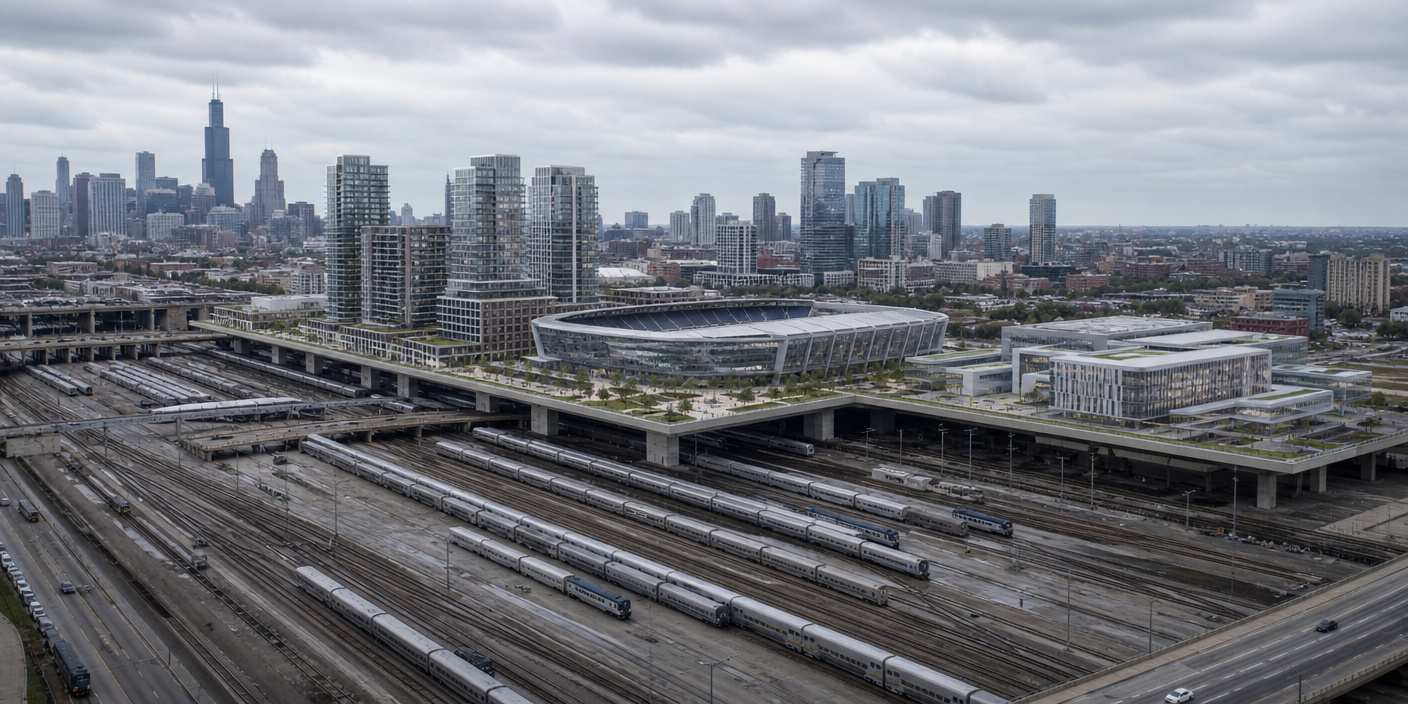
The recent discourse surrounding the redevelopment of Ryan Field serves as a critical case study for this new fiscal strategy. The negotiations surrounding the stadium, which included complex community benefit agreements (CBAs), provided the City Council with a blueprint for future engagements. It proved that Northwestern is willing to negotiate significant financial payouts—in the form of community benefits—when the university requires municipal approval for massive infrastructure projects.
Looking forward, the Council is considering institutionalizing these ad-hoc negotiations into a formal policy framework. Instead of waiting for a massive construction project to trigger a negotiation, the city is exploring an ordinance-based approach. This would potentially create a standing committee or fiscal impact fee system that automatically triggers payments from university-owned commercial assets based on their annual net revenue or square footage. This proactive approach aims to stabilize Evanston’s long-term budget, which has faced inflationary pressures and rising demand for municipal services. While the university continues to frame these contributions as voluntary community support, the City Council’s current trajectory suggests a move toward formalized, expected, and potentially enforceable fiscal obligations.
Navigating Legal and Political Barriers
Despite the legislative momentum, the City Council faces immense legal hurdles. Northwestern University’s tax-exempt status is shielded by Illinois state law, and any attempt to impose a direct tax on its activities would almost certainly face immediate litigation. Consequently, the Council’s ‘strategies’ are likely to focus on peripheral costs—zoning fees, licensing for commercial venues, and infrastructure usage levies—that skirt the edge of tax law without violating it.
Politically, the move is also complex. A segment of the Evanston community relies on the university for employment and stability, and there is a fear that overly aggressive taxation could harm the overall town-gown relationship or lead to the university scaling back its local investments. The Council must thread a delicate needle: ensuring the city receives its fair share of revenue from the commercial activities occurring within its borders while maintaining the university as a collaborative partner in Evanston’s broader economic development. The coming months will be decisive as the city attempts to convert these initial deliberations into concrete policy, testing the limits of what a municipality can legally and politically demand from one of its most powerful stakeholders.