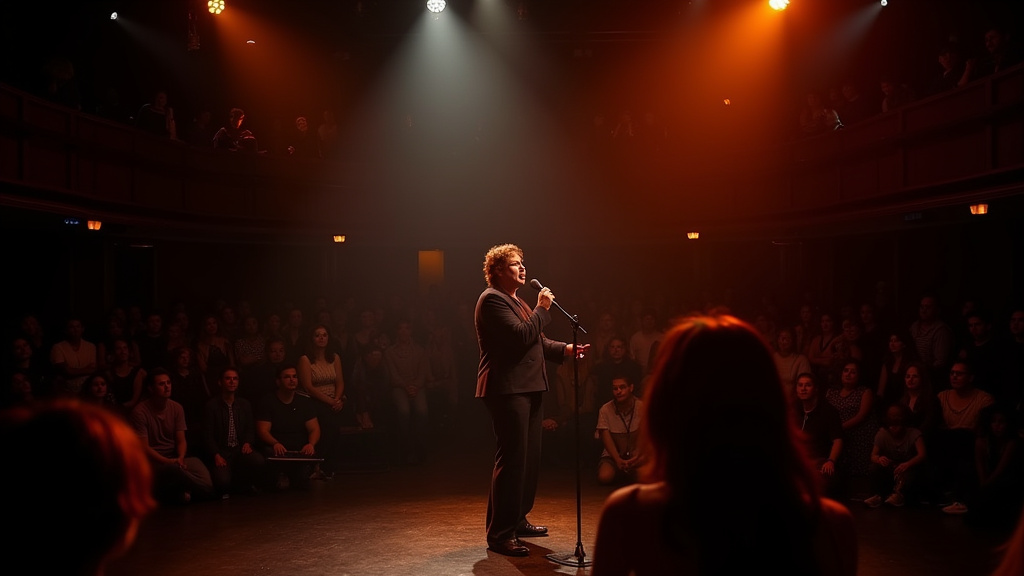
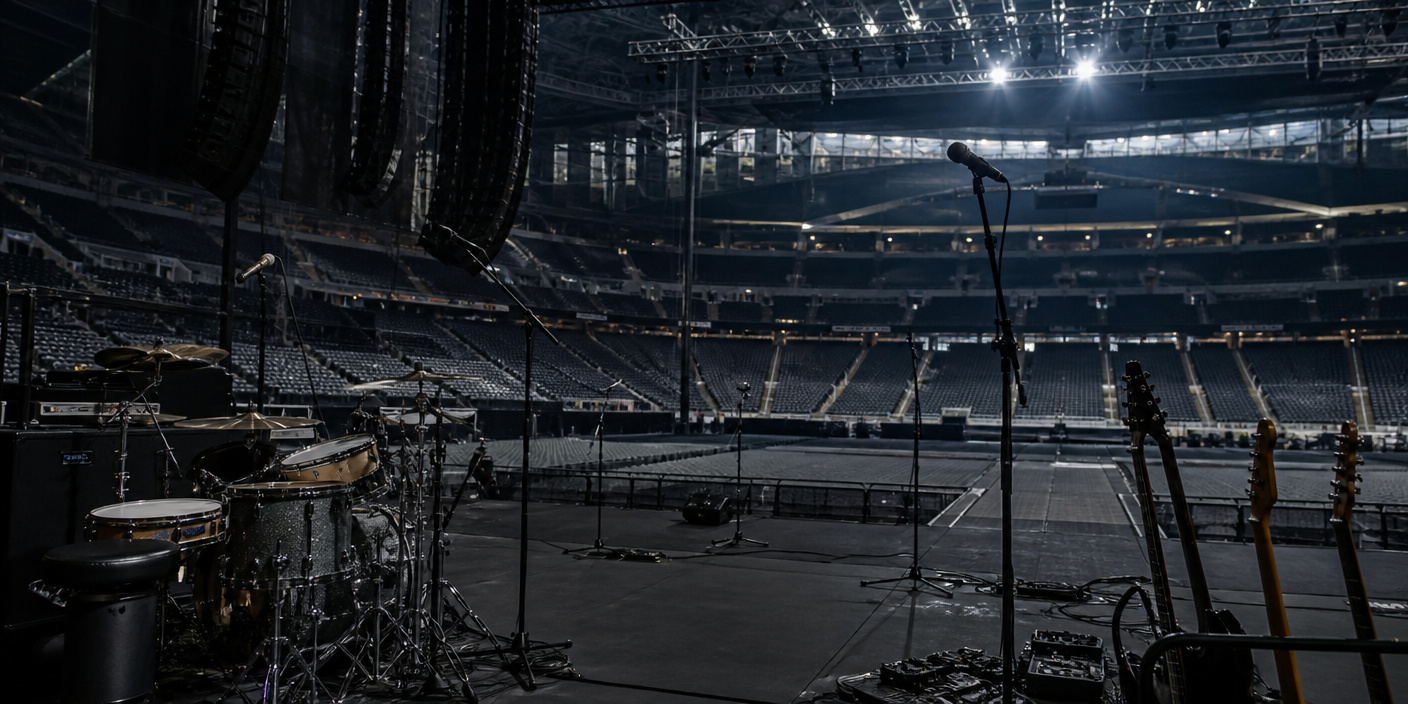
The Chicago Symphony Orchestra’s Brass Quintet delivered a vibrant and engaging performance at Symphony Center, showcasing their exceptional musicianship and the rich repertoire of brass chamber music.
Key Highlights:
- The CSO Brass Quintet captivated the audience with a diverse program.
- The ensemble demonstrated remarkable technical skill and cohesive ensemble playing.
- The performance highlighted the versatility and power of brass instruments in an intimate setting.
- Audience members responded with enthusiastic applause, praising the high caliber of the performance.
CSO Brass Quintet’s Stellar Performance
The CSO Brass Quintet, comprising principal and associate principal players from the renowned Chicago Symphony Orchestra, recently graced the stage of Symphony Center for an evening dedicated to the art of brass chamber music. The program featured a compelling selection of works, ranging from established classical masterpieces to contemporary compositions, all expertly interpreted by the five virtuosos. The intimate setting of Symphony Center allowed for a particularly engaging experience, where the nuances of each instrument and the intricate interplay between the musicians were fully appreciated by the attentive audience.
A Program of Variety and Depth
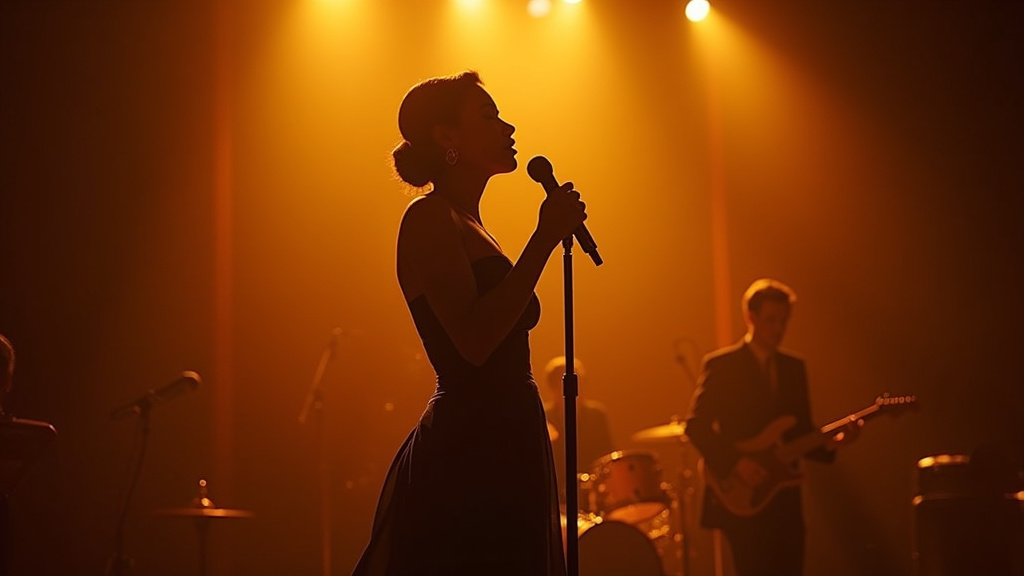


The quintet curated a program that demonstrated both the historical breadth and the modern possibilities of brass chamber music. Early selections often leaned into the rich polyphonic traditions, showcasing how distinct melodic lines could be woven together with clarity and power by the brass ensemble. Later pieces explored more contemporary harmonic languages and virtuosic demands, pushing the boundaries of what is typically expected from brass quintets. The selection process clearly aimed to take the audience on a journey, highlighting the evolution of the genre and the enduring appeal of the brass sound.
Technical Prowess and Ensemble Synergy
What stood out most prominently throughout the performance was the sheer technical mastery of each individual musician. Intonation was impeccable, articulations were crisp, and dynamic control was nuanced, ranging from the most delicate pianissimos to thunderous fortissimos. Equally impressive was the ensemble’s synergy. The musicians played with a remarkable sense of unity, breathing together, phrasing as one voice, and responding to each other’s musical impulses with palpable awareness. This level of cohesive performance is a hallmark of highly accomplished chamber musicians and a testament to their dedicated rehearsals and deep understanding of the repertoire.
The Enduring Appeal of Brass Chamber Music
The CSO Brass Quintet’s performance served as a powerful reminder of the unique place brass chamber music holds in the orchestral and classical landscape. The distinct timbres of the trumpet, horn, trombone, and tuba, when combined, create a sound that is both majestic and remarkably versatile. Whether delivering the warmth of a chorale, the fanfare of a celebratory piece, or the intricate textures of a complex modern work, the brass quintet offers a sound palette that is rich and compelling. The success of this concert underscores a growing appreciation for specialized chamber ensembles within major symphony orchestras, offering audiences diverse and intimate musical experiences.
FAQ: People Also Ask
What instruments make up a standard brass quintet?
A standard brass quintet typically consists of two B-flat trumpets, one French horn, one tenor trombone, and one tuba. This configuration allows for a wide range of tonal colors and harmonic possibilities.
What kind of repertoire is common for brass quintets?
Brass quintets perform a wide array of repertoire, including transcriptions of Renaissance and Baroque music, original works from the Romantic and 20th centuries, and contemporary compositions written specifically for the ensemble. Many also perform arrangements of popular tunes and jazz standards.
How does playing in a brass quintet differ from playing in a full orchestra?
Playing in a quintet requires a high degree of individual responsibility, precise ensemble listening, and the ability to blend and balance within a smaller group. Unlike in an orchestra, where a section might cover a particular part, each member of a quintet is often responsible for a distinct melodic or harmonic line, demanding exceptional individual skill and a strong collaborative spirit.
What is the role of each instrument in a brass quintet?
The trumpets typically carry the melody and high harmonies. The French horn often bridges the upper and lower voices and adds richness to harmonies. The trombone provides the bass line and countermelodies, and the tuba anchors the ensemble with its deep foundational tones. Together, they create a full, balanced sound.
Why is chamber music important for symphony musicians?
Participating in chamber music allows symphony musicians to explore different repertoire, hone their ensemble skills in a more intimate setting, develop leadership qualities, and gain a deeper understanding of musical structure and interpretation. It also provides a valuable outlet for artistic expression beyond their orchestral duties.