Brookfield Zoo employees have initiated a strike, citing inadequate wages and rising healthcare costs as primary concerns. The walkout, which began early this morning, involves members of the Service Employees International Union (SEIU) Local 73, representing zookeepers, maintenance staff, and guest services personnel.
Key Highlights:
- Unionized workers at Brookfield Zoo are striking due to disputes over wages and healthcare contributions.
- The strike impacts daily operations, potentially affecting animal care and visitor access.
- Negotiations between SEIU Local 73 and the Chicago Zoological Society (CZS) remain ongoing.
- Workers are seeking improved compensation packages and better healthcare benefits.
Workers Demand Fair Compensation Amidst Rising Costs
The picket lines outside Brookfield Zoo mark a significant escalation in the labor dispute between the unionized employees and the Chicago Zoological Society (CZS), the non-profit organization that operates the zoo. The core of the conflict revolves around a proposed contract that union members argue fails to keep pace with the cost of living and the increasing burden of healthcare expenses. SEIU Local 73 has been negotiating with CZS for several months, with the current contract having expired without a new agreement in place.
Sticking Points in Negotiations
The union has stated that proposed wage increases are insufficient, particularly given the rising inflation rates and the essential, often dangerous, nature of the work performed by zookeepers and animal care staff. Furthermore, the proposed changes to healthcare plans, including increased employee contributions and deductibles, have been met with strong resistance. Union representatives emphasize that many of their members are dedicated, long-term employees who are struggling to make ends meet despite their commitment to the zoo and its animals.
Impact on Zoo Operations



The strike has immediate and visible consequences for Brookfield Zoo. While the zoo has stated it remains open to the public, services are expected to be significantly curtailed. Animal care, a top priority for both the union and management, is being addressed by a combination of management staff and potentially non-unionized personnel. However, the union warns that the long-term well-being of the animals could be jeopardized if the strike continues without resolution, as experienced keepers play a crucial role in maintaining animal health and welfare routines.
Union’s Stance and Public Support
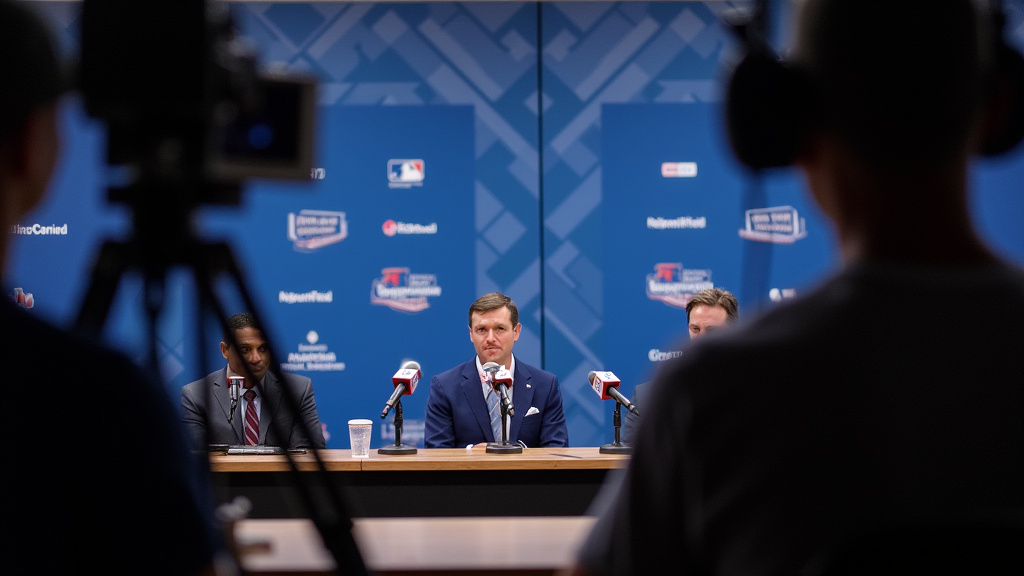
SEIU Local 73 has been vocal in their demands, holding press conferences and rallies to draw attention to their plight. They highlight the dedication of their members, many of whom have worked at the zoo for years, and argue that fair compensation and benefits are essential for retaining experienced staff and ensuring the high standards of animal care Brookfield Zoo is known for. The union is also leveraging social media and community outreach to garner public support for their position.
Chicago Zoological Society’s Perspective
The Chicago Zoological Society, in its public statements, has expressed disappointment over the strike. CZS maintains that it has presented a fair offer that includes wage increases and continues to provide comprehensive benefits. The organization points to the financial challenges faced by zoological institutions, including increased operating costs and the need for significant capital investments in animal habitats and visitor amenities. They emphasize their commitment to reaching a mutually agreeable contract and resuming normal operations as quickly as possible.
FAQ: People Also Ask
Q1: Why are Brookfield Zoo workers on strike?
A1: Brookfield Zoo workers, represented by SEIU Local 73, are striking primarily over disputes concerning inadequate wage increases and rising healthcare costs. They argue that the proposed contract does not sufficiently address the current economic conditions and the increasing financial burden of employee benefits.
Q2: What is the Chicago Zoological Society’s response to the strike?
A2: The Chicago Zoological Society (CZS) has stated it is disappointed by the strike and maintains that it has offered a fair contract. CZS cites ongoing operational costs and investment needs as factors influencing their financial proposals, and expresses a desire to reach an agreement promptly.
Q3: How will the strike affect zoo visitors?
A3: While Brookfield Zoo plans to remain open, visitors may experience reduced services, potentially including limited access to certain exhibits or amenities. The primary focus will be on maintaining essential animal care, which may also be impacted.
Q4: What are the union’s demands beyond wages?
A4: Beyond wages, the union’s demands include improved healthcare benefits, specifically addressing concerns about increased employee contributions and deductibles. They are also seeking contract terms that reflect the value and dedication of their workforce.
Q5: When is the strike expected to end?
A5: The duration of the strike is uncertain and depends on the progress of negotiations between SEIU Local 73 and the Chicago Zoological Society. Both parties have expressed a desire to resolve the dispute, but a timeline for resolution has not been established.