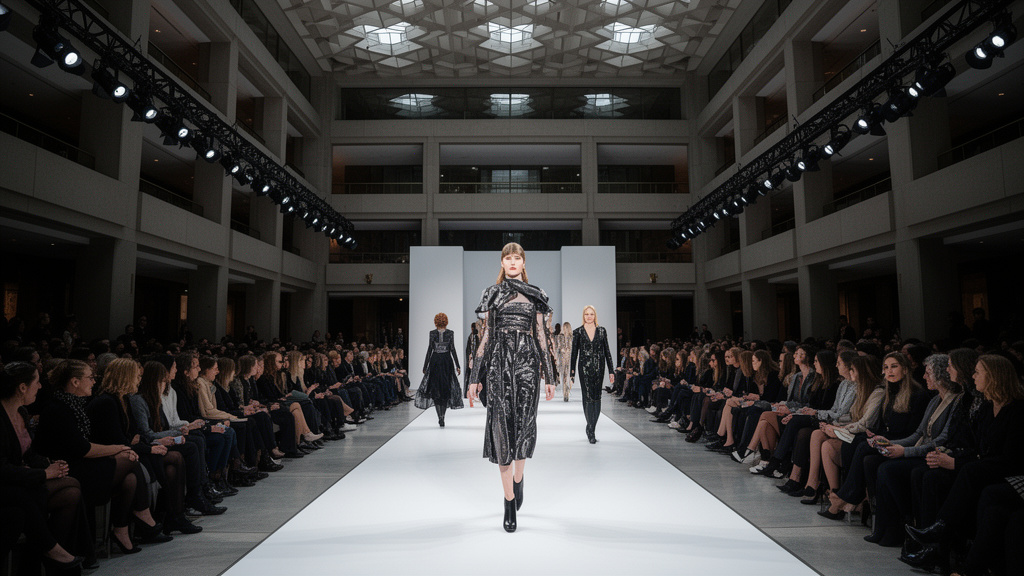
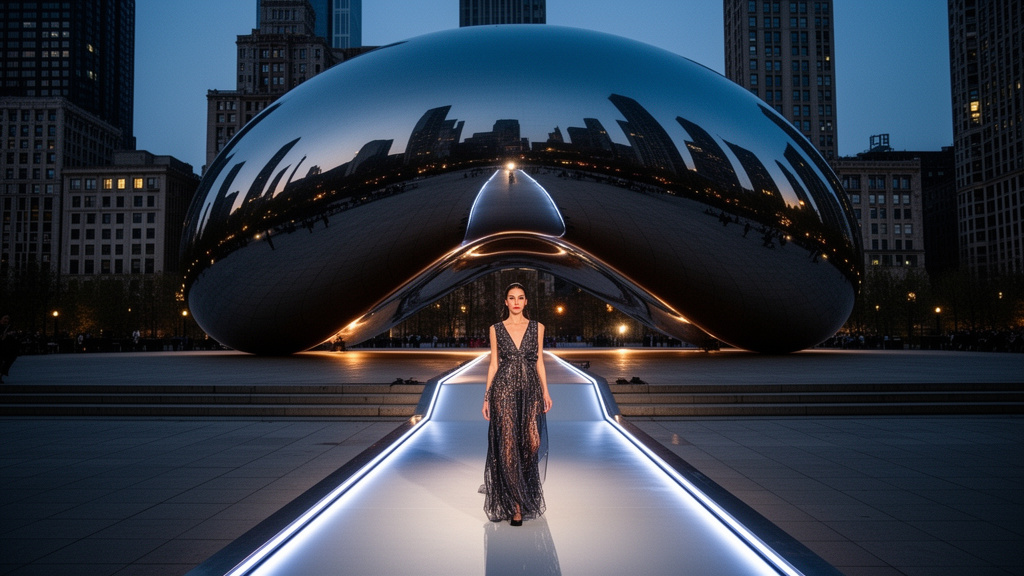
In a world increasingly defined by digital saturation and the relentless pace of modern life, fashion has emerged as a potent and deeply personal form of escapism. ‘Dress To Escape: How Fashion Became Our Most Wearable Form Of Fantasy’ explores this phenomenon, delving into how clothing and style serve as a deliberate departure from the mundane, offering individuals a powerful tool for self-expression and a sanctuary from everyday pressures.
Key Highlights:
- Clothing as a psychological tool for emotional and mental well-being.
- The rise of ‘fantasy dressing’ as a response to societal and personal anxieties.
- How social media amplifies the desire for curated, aspirational fashion personas.
- The intersection of historical fashion movements and contemporary escapism.
- Fashion’s role in identity formation and personal empowerment through imaginative expression.
The Fabric of Fantasy: Fashion as a Psychological Outlet
In an era marked by constant connectivity and an ever-increasing stream of information, the need for respite and imaginative diversion has never been more pronounced. The concept of ‘Dress To Escape’ posits that fashion transcends its utilitarian and aesthetic functions to become a vital psychological mechanism. It’s a way for individuals to actively construct and inhabit realities different from their own, offering a tangible, wearable form of fantasy. This isn’t merely about dressing up; it’s a deliberate act of creating a persona, a mood, or an experience that provides solace, confidence, or pure joy, effectively allowing wearers to ‘escape’ into a more desirable or empowering self.
The Allure of the Alter Ego
The most immediate way fashion facilitates escape is through the creation of an alter ego. Donning a particular outfit can feel like stepping into a different skin. A power suit can instill boardroom confidence, a flowing bohemian dress can evoke carefree wanderlust, and a meticulously crafted avant-garde ensemble can express artistic rebellion. This sartorial transformation is a form of controlled fantasy, allowing individuals to explore different facets of their personality or to embody traits they aspire to. The act of choosing and wearing these garments becomes a ritual, a conscious decision to alter one’s presence and perception, both for oneself and for the world.
Digital Dreams and Curated Realities

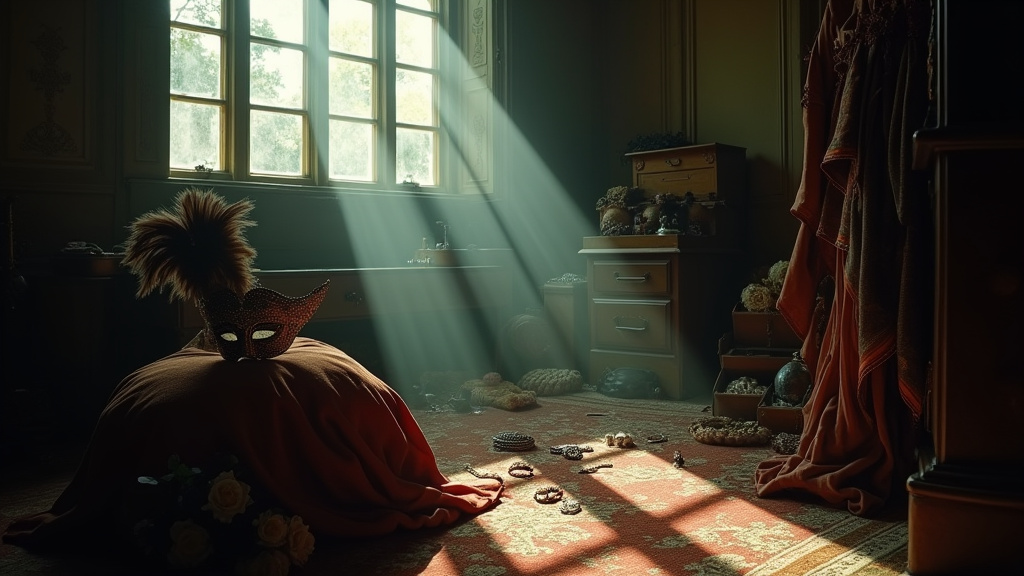
Social media platforms have significantly amplified this trend. Feeds are flooded with meticulously curated images of aspirational lifestyles, often presented through impeccable fashion choices. This creates a visual landscape where fantasy is not just encouraged but is constantly showcased. Influencers and celebrities often present highly stylized versions of themselves, blurring the lines between personal brand and fantastical persona. For consumers, this can fuel a desire to replicate these seemingly effortless realities through their own wardrobes. The ‘Instagrammable’ outfit, designed for maximum visual impact and shareability, is a prime example of fashion as a tool to participate in a digitally constructed fantasy.
Historical Echoes of Escapist Style
The impulse to escape through dress is not a new phenomenon. Throughout history, fashion has often served as a means of social mobility, rebellion, or as a marker of belonging to an imagined community. Think of the elaborate court fashions of Versailles, which created an otherworldly spectacle, or the flapper dresses of the 1920s, which symbolized a radical departure from Victorian austerity. Even the counter-culture movements of the 1960s and 70s, with their embrace of vibrant, unconventional styles, represented a desire to break free from societal norms and embrace a more utopian vision. Contemporary fashion continues this legacy, with designers frequently drawing inspiration from historical periods or subcultures to offer narratives and aesthetics that transport the wearer.
The Therapeutic Power of the Wardrobe
Beyond self-expression and social signaling, fashion can also function as a form of self-care and emotional regulation. The ritual of selecting an outfit can be a mindful practice, a moment of quiet intention before facing the day. Certain textures, colors, or silhouettes can have a profound impact on mood. For instance, the comfort of soft, familiar fabrics can be soothing, while vibrant colors might boost energy. This therapeutic aspect of dressing is increasingly recognized, with some advocating for ‘dopamine dressing’ – intentionally wearing bright, joyful clothing to improve one’s mood. In this light, fashion becomes a personal therapy, a way to consciously curate one’s emotional landscape through the choices made in the closet.
FAQ: People Also Ask
How does fashion provide a sense of escapism?
Fashion provides escapism by allowing individuals to create and embody different personas, step outside their everyday reality, and explore imaginative identities through clothing and style. It offers a tangible way to construct a desired self or experience that differs from their current circumstances.
Can clothing genuinely change how someone feels?
Yes, clothing can significantly influence mood and self-perception. This is often referred to as ‘enclothed cognition,’ where the garments we wear can affect our psychological processes and behavior. Wearing an outfit that makes us feel confident, powerful, or joyful can genuinely alter our emotional state.
What is ‘dopamine dressing’?
Dopamine dressing is a trend that involves wearing bright, colorful, and cheerful clothing to intentionally boost mood and well-being. The idea is that by dressing in a way that visually excites and pleases, one can stimulate the release of dopamine, a neurotransmitter associated with pleasure and reward.
How do social media trends impact fashion escapism?
Social media amplifies fashion escapism by constantly showcasing aspirational and idealized fashion narratives. This encourages users to seek out similar styles to emulate these curated realities, further fueling the desire to ‘escape’ into a more glamorous or exciting version of life through their wardrobe choices.
Is ‘dressing to escape’ a new concept?
While the term and its contemporary manifestations are amplified by digital culture, the concept of using fashion for escapism has historical roots. Throughout history, people have used clothing to signify different social statuses, express rebellion, or create fantastical personas, demonstrating that the impulse to escape through dress is a long-standing human behavior.