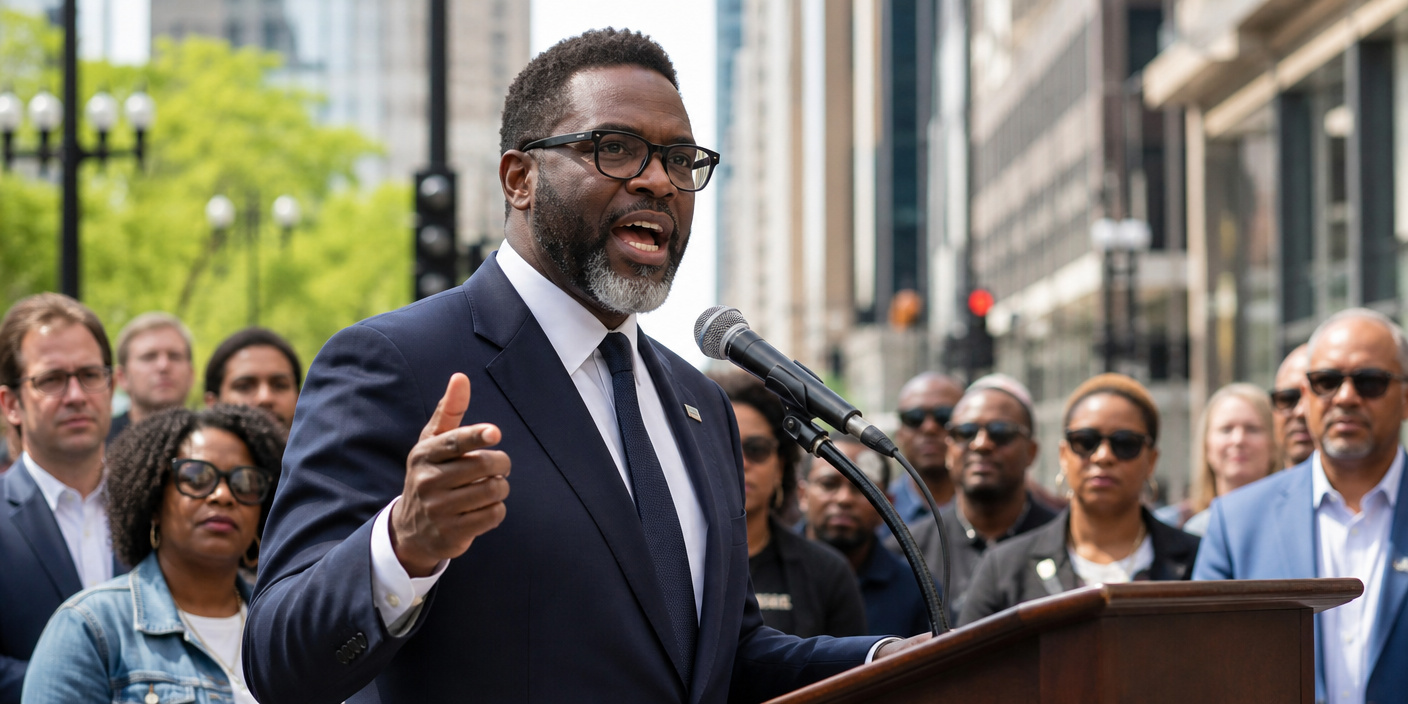
The Chicago Teachers Union (CTU) is once again at the center of a firestorm following its announcement of a planned walkout on May 1, 2026. Framing the event as a “Day of Civic Action and Defense of Public Education,” union leadership is calling for a total shutdown of Chicago Public Schools (CPS) to facilitate a massive political rally. While the union claims the action is necessary to protect democracy and advocate for school funding, editorial boards and parental advocacy groups are sounding the alarm, accusing the CTU of putting its political machinery ahead of the academic needs of the city’s 320,000 students.
The Deep Dive
The decision, passed by the union’s 730-member House of Delegates, marks a significant escalation in the ongoing tension between the CTU and city taxpayers. By choosing May 1—International Workers’ Day—the union is signaling its alignment with a global labor movement that transcends the traditional boundaries of educational bargaining. However, for many Chicagoans, the timing feels less like a celebration of labor and more like a calculated disruption of the school year.
The Shift from Education to Activism
Historically, teachers’ strikes are centered on wages, benefits, and classroom conditions. Yet, the CTU’s current trajectory suggests a pivot toward what critics call “hyper-political” activism. The May 1 walkout is intended to protest everything from federal immigration policies to housing costs and corporate tax structures.
This shift has drawn the ire of editorial boards, most notably the Chicago Tribune, which argued that the union is effectively using children as political props. By asking the Board of Education and Mayor Brandon Johnson to allow students to miss school for these rallies, the union is blurring the line between education and indoctrination. Instead of being at their desks focusing on core competencies like math and literacy, students are being recruited to serve as the foot soldiers of a labor dispute.
Academic Recovery in Jeopardy



The timing of the walkout is particularly sensitive as CPS continues to struggle with the fallout of pandemic-era learning loss. Recent data indicates that the district is in a state of academic crisis; in many schools, proficiency rates for reading and math remain in the single digits.
“Every single day in the classroom counts,” says one local parental advocacy group. “To suggest that a day of marching in the streets is a ‘historic opportunity’ that outweighs a day of structured learning is a betrayal of the union’s core mission.”
The walkout also places a logistical and financial burden on working parents who may not have the luxury of rearranging their schedules for a last-minute school closure. For many of Chicago’s most vulnerable families, the school building is not just a place of learning, but a critical provider of meals and safety.
The Brandon Johnson Connection
Central to this controversy is the relationship between the CTU and Mayor Brandon Johnson, a former union organizer whose campaign was heavily funded by the CTU. Critics argue that the union expects a level of compliance from City Hall that undermines the city’s fiscal health. The union’s latest contract demands, estimated to cost upwards of $50 billion, include provisions for affordable housing, green energy initiatives, and a range of social programs that fall far outside the scope of traditional teacher contracts.
By demanding that the Mayor and the Board of Education support the walkout, the CTU is testing the limits of its political influence. If the city acquiesces, it sets a precedent that political activism is a valid substitute for instructional time—a move that could have long-lasting implications for the governance of Chicago Public Schools.
FAQ: People Also Ask
Why is the CTU walking out on May 1?
The union claims the “May 1 Day of Civic Action” is intended to protest attacks on public education, promote immigrant protections, and advocate for higher taxes on the wealthy. It coincides with International Workers’ Day.
Is the Chicago Teachers Union walkout legal?
State law typically mandates a specific process for teachers’ strikes related to contract disputes. Critics and city officials have argued that “political strikes” or walkouts outside of the official bargaining process may be illegal, though the union often frames them as “unfair labor practice” protests to gain legal cover.
How will this affect Chicago Public Schools students?
If the walkout proceeds, classes will likely be canceled for the day for the district’s 320,000 students. While the union has proposed “field trips” to the protest sites, many parents are concerned about the loss of instructional time and the lack of childcare options.