The Chicago Teachers Union (CTU) has once again ignited a fierce debate over the intersection of labor rights and educational responsibilities. On May 1, union leadership orchestrated a widespread walkout, framing the event as a ‘Day of Action’ to coincide with International Workers’ Day. However, the move has drawn sharp criticism from parents, city officials, and editorial boards who contend that the Chicago Teachers Union’s May 1 walkout serves political interests at the direct expense of Chicago’s student population. While the union claims the action is necessary to secure better resources, opponents see it as a power play in an ongoing battle for control over the city’s budgetary priorities.
The Deep Dive
The tension between the CTU and the city of Chicago is not a new phenomenon, but the May 1 walkout represents a significant escalation in tactics. By choosing a date historically associated with global labor movements, the CTU is signaling its broader social and political ambitions. Yet, for many Chicago families, the ‘day of action’ felt more like a day of abandonment.
The Political Backdrop and Mayor Johnson

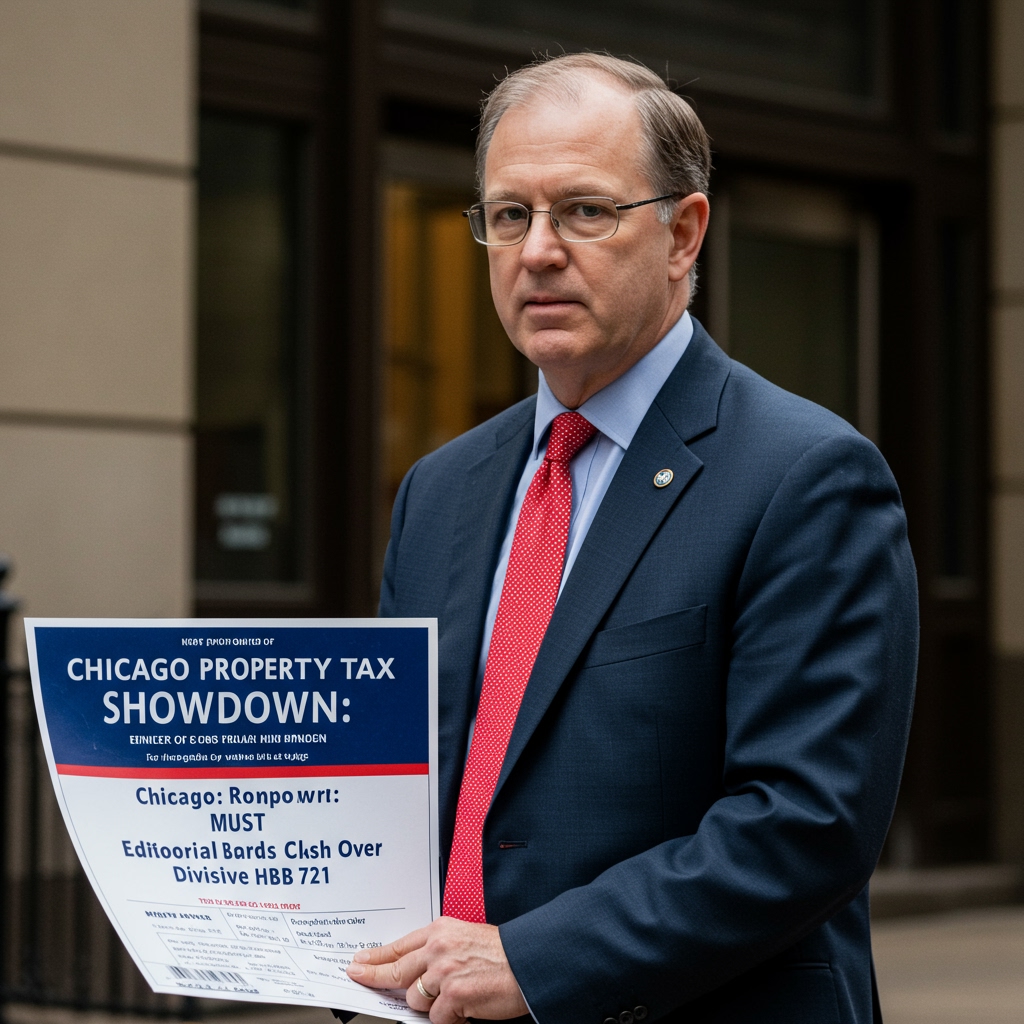


To understand the current climate, one must look at the unique political landscape in Chicago. The current administration, led by Mayor Brandon Johnson—a former CTU organizer—finds itself in a delicate position. While Johnson’s rise was fueled by union support, he now faces the pragmatic reality of governing a city with a massive budget deficit. Critics suggest that the CTU feels emboldened by having an ally in City Hall, leading to more aggressive demands that the city simply cannot afford. The May 1 walkout is seen by many as a method to pressure the mayor and the state legislature into meeting the union’s multibillion-dollar contract demands, which include significant pay raises and expanded social services within schools.
Prioritizing Activism Over Academics
The central grievance from the editorial perspective is the timing of the disruption. Chicago Public Schools have struggled to recover from the academic setbacks caused by the pandemic. Every hour of lost instruction is viewed by education advocates as a blow to the city’s most vulnerable students. When teachers leave the classroom for political rallies, the message sent to the youth is that activism takes precedence over academic achievement. While the union argues that ‘teachers’ working conditions are students’ learning conditions,’ the immediate result of a walkout is a closed door and a missed lesson.
The Fiscal Reality of CPS
Beyond the classroom, the financial implications of the CTU’s platform are staggering. The union is pushing for a contract that would require billions in additional funding—money that the state of Illinois has signaled it does not have. By utilizing walkouts as a bargaining chip, the CTU is attempting to bypass traditional budgetary constraints. This ‘all-or-nothing’ approach has polarized the public. While some residents support the call for more resources, a growing number of taxpayers are weary of the constant threat of strikes and the potential for property tax hikes to cover the costs. The May 1 action has become a flashpoint for this broader economic frustration.
A Community Divided
The fallout from the walkout has left the Chicago community deeply divided. Pro-union groups argue that without radical action, the systemic issues facing urban education will never be addressed. They view the walkout as a necessary sacrifice for a better future. Conversely, parent advocacy groups have expressed growing resentment, citing the difficulty of finding childcare on short notice and the perceived lack of concern for student safety. As the contract negotiations continue, the rift between the union’s leadership and the families they serve appears to be widening, casting a long shadow over the future of labor relations in the Windy City.
FAQ: People Also Ask
Q: Why did the Chicago Teachers Union choose May 1 for the walkout?
A: May 1 is International Workers’ Day. The CTU chose this date to align their local contract struggles with the broader global labor movement and to maximize media visibility for their demands.
Q: How does the walkout affect Chicago Public Schools funding?
A: The walkout itself does not change funding, but it is a tactical move intended to pressure the state and city to increase the CPS budget. However, it can also lead to public backlash against future funding requests.
Q: What are the primary demands of the CTU in current negotiations?
A: The CTU is seeking significant salary increases, smaller class sizes, and a ‘transformative’ contract that includes funding for affordable housing for students and increased mental health resources in every school.