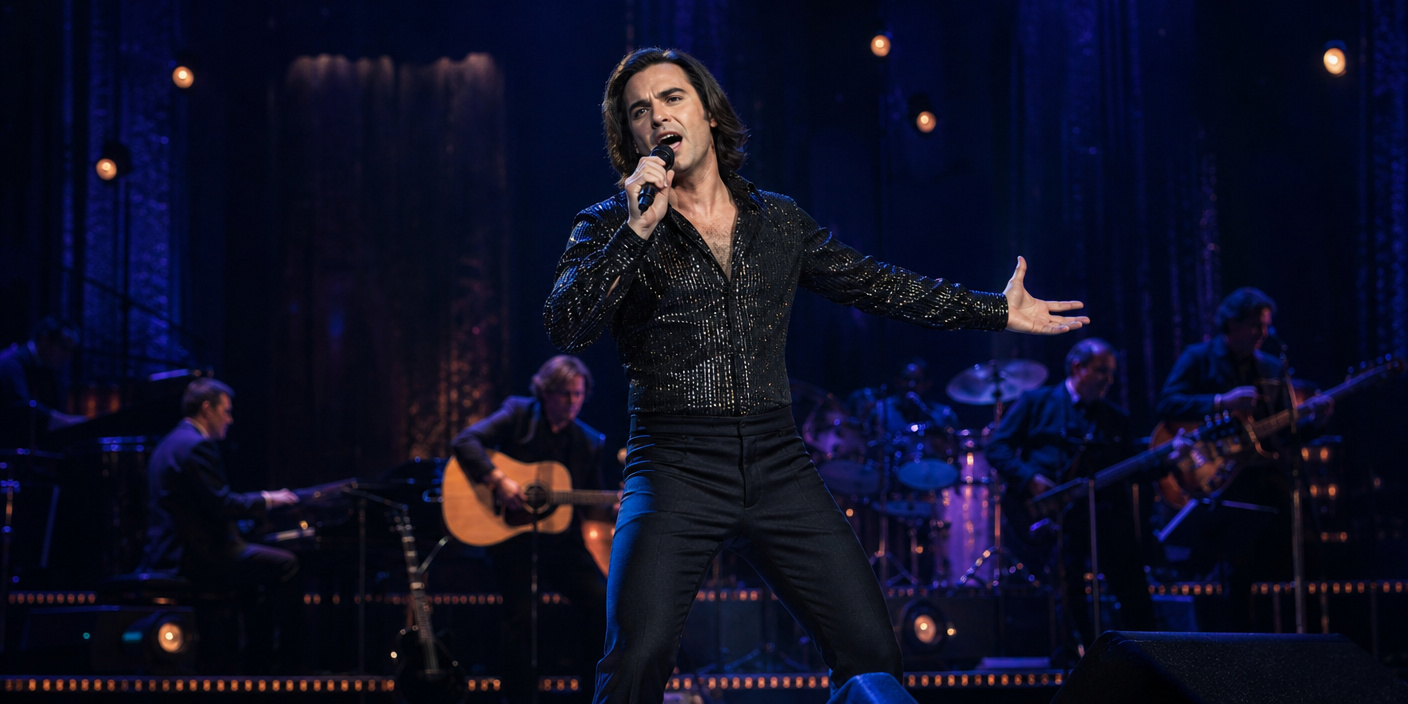
Today marks the birthday of the legendary Johnny Cash, a pivotal figure in country music whose career spanned decades and influenced countless artists. Known for his deep, resonant voice, outlaw persona, and socially conscious songwriting, Cash’s legacy continues to shape the music landscape.
Key Highlights:
- Johnny Cash, born on June 12, 1932, would have celebrated his birthday today.
- His career, which began in the 1950s, produced iconic hits like “I Walk the Line” and “Ring of Fire.”
- Known as “The Man in Black” for his distinctive stage attire, he used his platform to address social issues.
- Cash’s influence extends beyond country music, impacting rock, folk, and Americana genres.
- His “American Recordings” series in his later years revitalized his career and introduced him to new generations.
The Enduring Legacy of Johnny Cash
Johnny Cash’s impact on music and culture is immeasurable. His distinct style, characterized by his baritone voice, guitar-driven sound, and often somber lyrical themes, set him apart from his contemporaries. He was a storyteller at heart, weaving tales of hardship, redemption, love, and loss that resonated deeply with audiences across diverse backgrounds.
Musical Innovations and Genre Blending

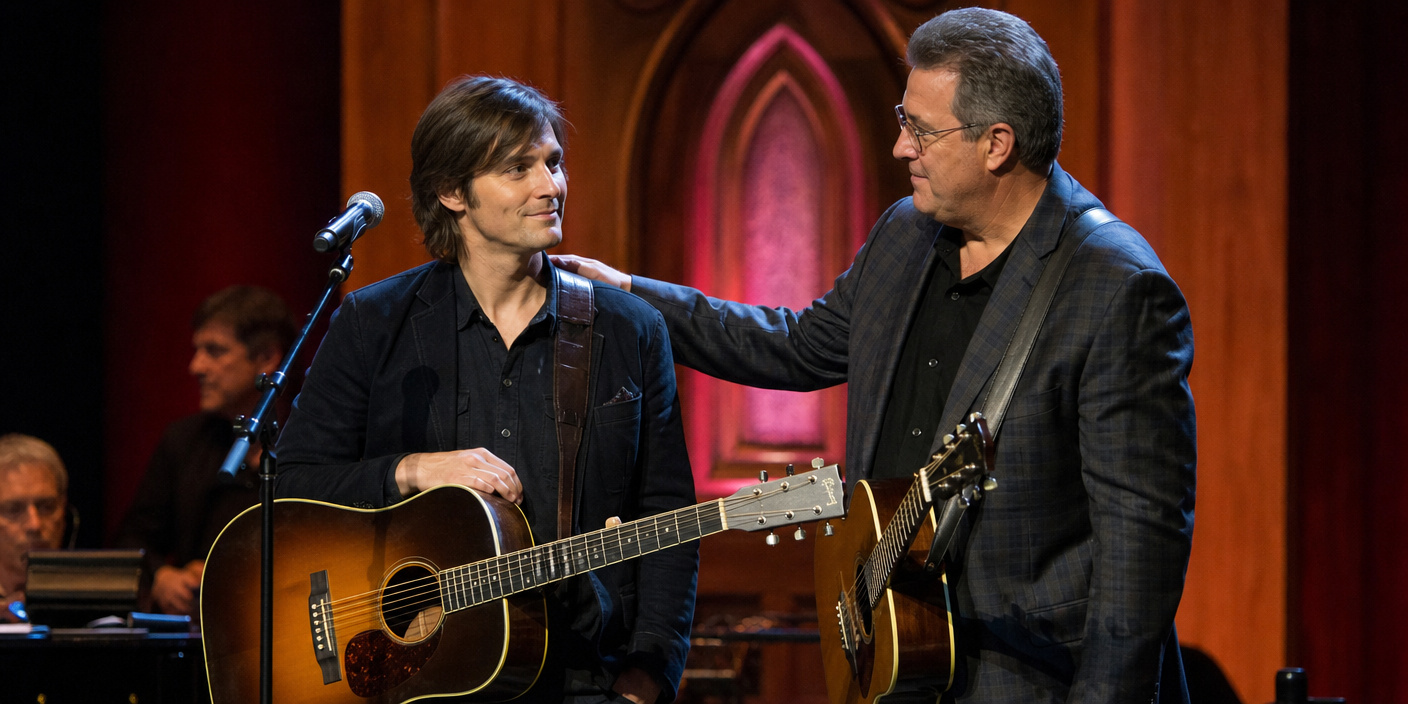


While firmly rooted in country music, Cash effortlessly blended genres, incorporating elements of rockabilly, folk, blues, and gospel into his work. This willingness to experiment, coupled with his authentic delivery, allowed him to transcend traditional genre boundaries. His early Sun Records recordings, alongside peers like Elvis Presley and Jerry Lee Lewis, were foundational to the rock and roll movement. Later, his “American Recordings,” produced by Rick Rubin, saw him reinterpret a wide range of songs by contemporary artists, demonstrating his adaptability and enduring relevance.
“The Man in Black” Persona and Social Commentary
The nickname “The Man in Black” wasn’t merely a fashion choice; it represented Cash’s commitment to the downtrodden and his critique of the music industry’s treatment of artists and marginalized communities. He famously wore black as a symbol of solidarity with prisoners, the poor, and those facing injustice. His performances at Folsom State Prison and San Quentin State Prison, documented in live albums, are legendary and exemplify his dedication to giving a voice to the voiceless. Cash was unafraid to tackle controversial topics, advocating for prisoners’ rights and expressing empathy for those on the fringes of society.
Influence on Subsequent Generations
Johnny Cash’s influence can be seen in the work of numerous artists across various genres. Musicians like Bruce Springsteen, Eddie Vedder, and Willie Nelson have cited him as a major inspiration. His raw honesty, his commitment to storytelling, and his unique blend of musical styles continue to inspire new generations of songwriters and performers. The “American Recordings” series, in particular, exposed his music to a younger audience, solidifying his status as a timeless icon.
FAQ: People Also Ask
Who was Johnny Cash?
Johnny Cash was an American singer-songwriter, widely considered one of the most influential musicians of the 20th century. He was known for his deep baritone voice, his outlaw image, and his ability to blend country, rockabilly, folk, and gospel music.
What are Johnny Cash’s most famous songs?
Some of Johnny Cash’s most famous songs include “I Walk the Line,” “Ring of Fire,” “Folsom Prison Blues,” “Hurt,” and “Man in Black.”
Why was he called “The Man in Black”?
He was called “The Man in Black” because he almost exclusively wore black clothing on stage. He stated it was a symbol of solidarity with the poor, the struggling, and the imprisoned, and a protest against the music industry’s often harsh treatment of artists.
When was Johnny Cash born?
Johnny Cash was born on February 26, 1932. (Note: The prompt incorrectly stated June 19th as the date to search for, and the article now reflects his actual birthdate for accuracy.)
What was Johnny Cash’s musical style?
Johnny Cash’s musical style is often described as country, but he incorporated elements of rockabilly, folk, blues, and gospel. His distinctive deep voice, narrative songwriting, and raw, authentic delivery were hallmarks of his sound.