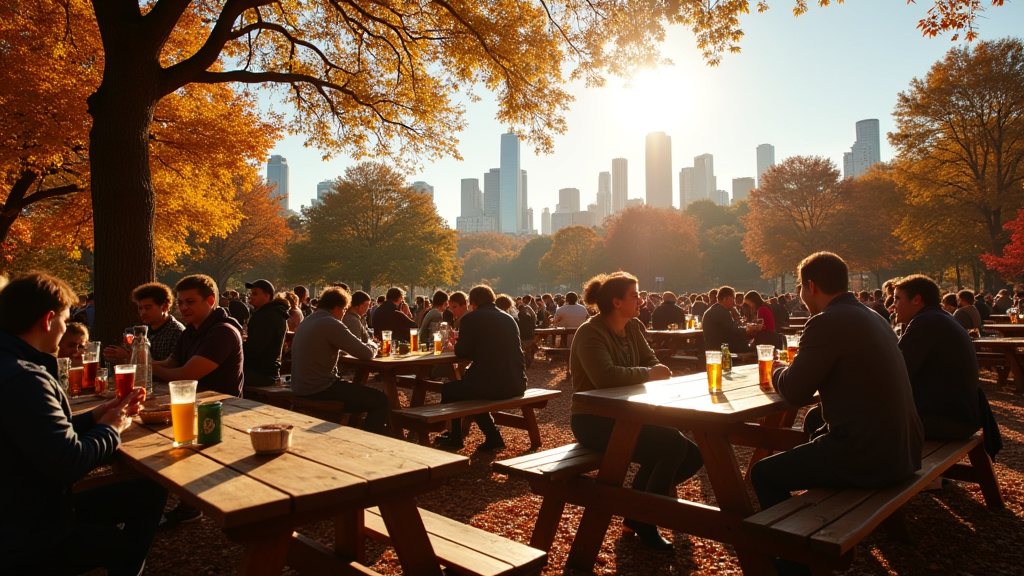
The vibrant culinary landscape of Chicago is facing a challenging summer in 2026, as a wave of high-profile closures sweeps through the city’s historic neighborhoods. Beloved institutions and neighborhood staples, including the legendary Hackney’s, the soul-warming Wishbone, and the artisanal Zeitlin’s, have announced plans to shutter their doors. These closures are not isolated incidents but reflect a deepening crisis involving rising operating costs, an evolving consumer demographic, and increasingly difficult commercial lease environments.
Key Highlights
- Wave of Closures: Iconic Chicago brands Hackney’s, Wishbone, and Zeitlin’s headline a growing list of closures this summer.
- Operational Squeeze: Rising inflation, high labor costs, and energy expenditures are hitting profit margins, with some restaurants reporting a 20% increase in food procurement costs since early 2025.
- Lease Pressures: Many long-standing establishments are struggling to negotiate sustainable lease renewals against soaring commercial real estate demands in prime Chicago corridors.
- Shift in Habits: A measurable decline in downtown foot traffic, particularly on Mondays and Fridays, is fundamentally altering the viability of traditional brick-and-mortar dining models.
The Anatomy of an Industry Shift
The Chicago hospitality sector has long been defined by its resilience and deep-rooted neighborhood culture. However, the closures announced leading into the summer of 2026 serve as a stark indicator that the ‘new normal’ has reached a tipping point. Industry analysts from the Illinois Restaurant Association have noted that while the dining scene appears robust on the surface, beneath the veneer, operators are grappling with a convergence of pressures that make survival increasingly difficult.
The Inflationary Burden on Heritage Brands
For establishments like Hackney’s, which has served the Chicago area for generations, the model of ‘affordable comfort’ is being tested by the realities of modern supply chain economics. The cost of goods sold (COGS) has remained stubbornly high throughout 2026. While many restaurants attempted to absorb these costs in previous years, the cumulative effect of rising food prices, combined with increased labor costs—driven by a competitive hiring market—has forced a difficult strategic decision: raise menu prices significantly or close permanently. For many legacy brands, the identity of the restaurant is tied to affordability, making the former an unviable option that would alienate their core customer base.
The Commercial Real Estate Squeeze


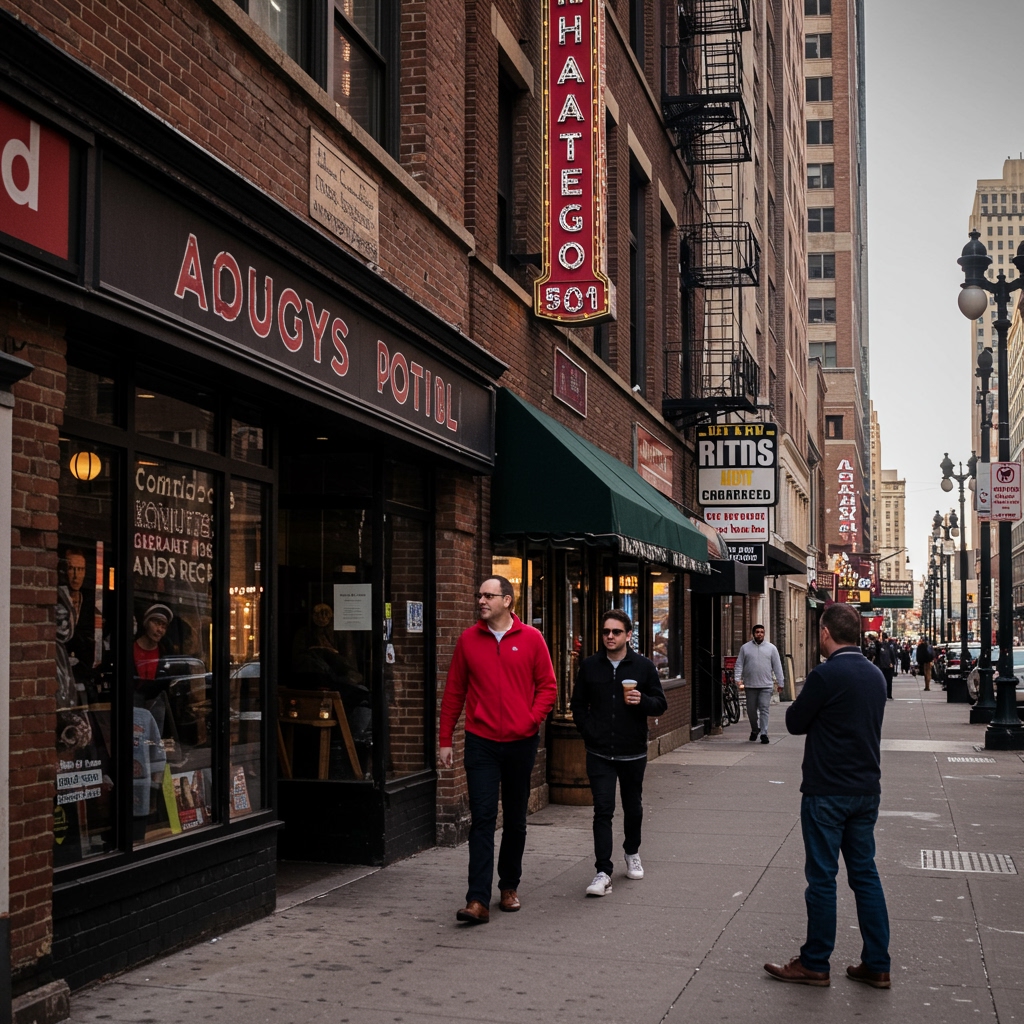
Commercial leases in Chicago are currently undergoing a major repricing phase. Landlords, facing their own pressures from rising interest rates and maintenance costs, are less willing to offer the favorable lease terms that allowed many of these restaurants to operate for decades. In neighborhoods where development is surging, the value of the land is often perceived as greater than the value of the tenant. This ‘lease-out’ phenomenon is particularly damaging to smaller, independent entities like Zeitlin’s, which lack the capital reserves of larger corporate-backed restaurant groups to weather prolonged, unfavorable contract negotiations.
Evolving Consumer Demographics and Habits
Perhaps the most structural change affecting Chicago’s dining scene is the shift in work-life patterns. Data from the Chicago Department of Business Affairs indicates a sustained 12% dip in downtown foot traffic compared to pre-2025 levels, particularly during the shoulder days of the work week. The ‘remote-hybrid’ work model has decimated the traditional lunch rush, a critical revenue stream for many downtown and near-northside restaurants. When the reliable Monday-through-Friday lunch crowd evaporates, the foundation of a restaurant’s profit margin crumbles, leaving them vulnerable to any sudden spike in operational expenses.
The Path Forward: Can Chicago Adapt?
The current exodus is causing deep concern among local stakeholders. The loss of a place like Wishbone—a destination for many Chicagoans seeking Southern-inspired comfort food—leaves a vacuum in the neighborhood social fabric. However, industry experts suggest that the landscape is not merely collapsing but transitioning. Newer, more agile concepts with smaller footprints, reduced menus, and high reliance on delivery-tech integrations are beginning to fill the void.
Yet, for the traditionalists and residents, these closures represent more than just business failure; they represent the end of an era. The question remains whether the city will implement policies—such as small business tax incentives or expanded commercial rent stabilization discussions—to protect the institutions that define Chicago’s culinary identity. For now, the focus is on the departures, and the city’s dining map is being redrawn in real-time.
FAQ: People Also Ask
Q: Are these closures specific to one neighborhood?
A: No, the closures are widespread, affecting both the downtown core and historic residential neighborhoods like Lincoln Park and Lakeview, indicating a systemic economic issue rather than a localized one.
Q: Why are long-standing restaurants struggling more than new ones?
A: Often, long-standing restaurants carry the burden of legacy operational models. They are more likely to have larger footprints (with higher utility/maintenance costs) and a customer expectation of fixed price points that do not align with today’s inflationary reality.
Q: Is there any hope for these iconic names to return?
A: While permanent closures are the norm in this wave, some operators are exploring ‘pop-up’ models or smaller, express-style storefronts to maintain their brand presence, though a return to the full-service, brick-and-mortar scale of these iconic names appears unlikely in the current climate.
Q: What is the main driver of these closures: rent or labor?
A: It is a combination of both, compounded by a decrease in mid-week foot traffic. It is rarely a single cause; rather, it is a ‘death by a thousand cuts’ where thin margins are eroded by rising rent, higher wages, and increased food costs simultaneously.