Chicago’s nightlife landscape is defined by a dichotomy between its storied, blue-collar roots and a modern, high-concept cocktail revolution that has placed the city on the global stage. Navigating the 31 best bars in Chicago requires an understanding of this heritage, where century-old taverns coexist with avant-garde laboratories pushing the boundaries of mixology. This definitive ranking reflects a synthesis of critical consensus, neighborhood impact, and the enduring quality of service that keeps these establishments at the top of the industry’s hierarchy.
Key Highlights
- Diverse Ecosystem: The top 31 venues span the city, from the historic jazz dens of Uptown to the sleek, modernist spaces of the West Loop.
- The Speakeasy Legacy: Establishments like The Violet Hour remain cornerstones, defining the modern speakeasy aesthetic.
- Tiki and Innovation: Places such as Three Dots and a Dash lead the tiki resurgence, blending kitsch with high-level mixology.
- Economic Drivers: These top-tier bars contribute significantly to the local hospitality economy, with reservation-only models signaling a shift toward experiential, pre-planned nightlife.
The Architecture of Chicago’s Nightlife
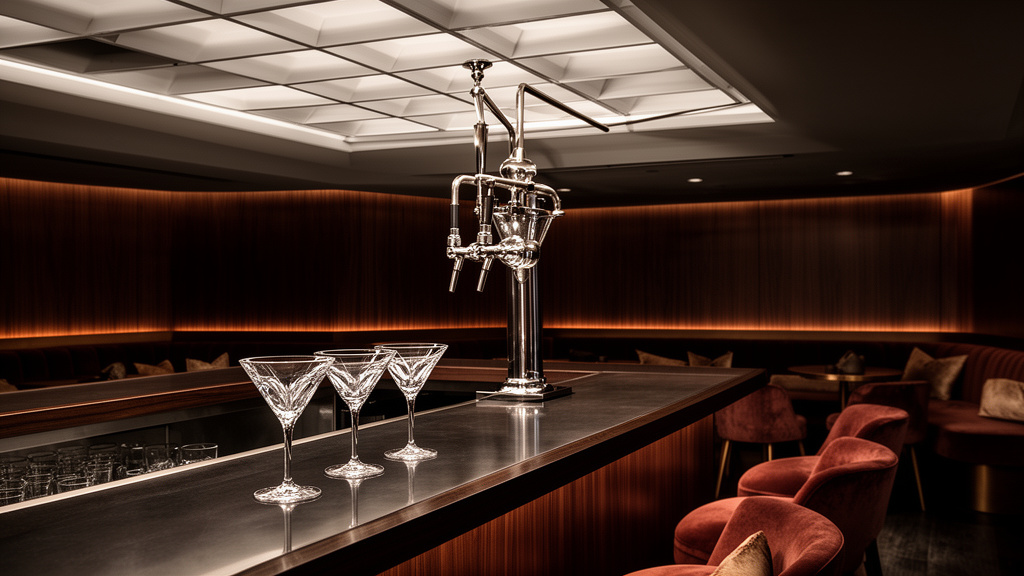
To understand the hierarchy of Chicago’s bar scene, one must look past the menu and into the philosophy of the space itself. The city’s best venues are not merely places to purchase spirits; they are cultural institutions that define the character of their respective neighborhoods. Whether it is a dimly lit tavern in Logan Square that has not changed its upholstery since 1974 or a high-tech cocktail bar in the Fulton Market district utilizing centrifugal extractors, each entry in our top 31 offers a distinct narrative.
The Intersection of History and Modernity
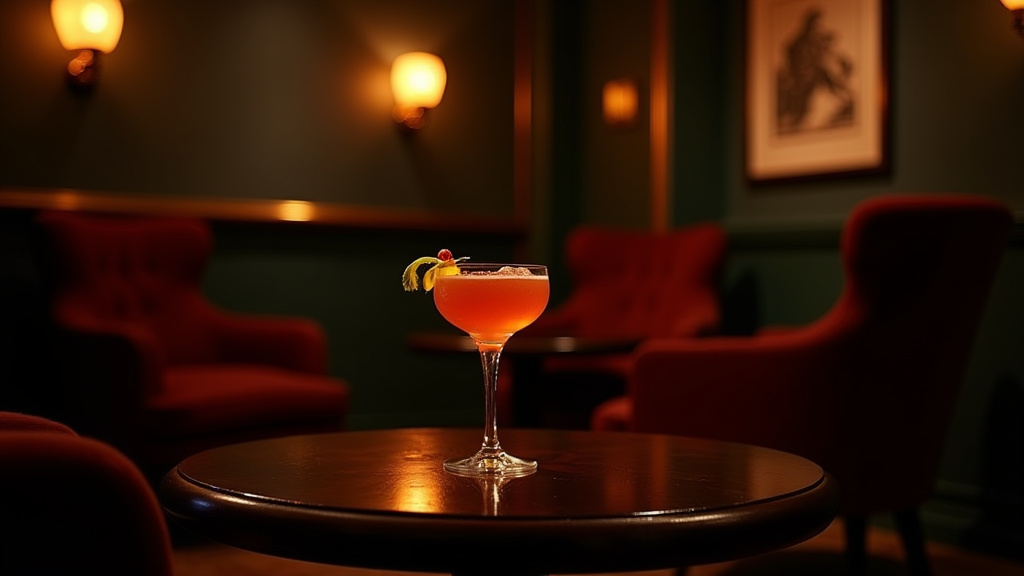
The resilience of the Chicago bar scene lies in its ability to balance nostalgia with innovation. Consider the Green Mill Cocktail Lounge. Its history is inextricably linked to the jazz era and the city’s Prohibition past. It is not trying to be a modern nightclub; it is maintaining a standard of historical preservation that few cities can replicate. Contrast this with Kumiko, a Japanese-influenced bar that approaches drink preparation with the precision of a high-end kitchen.
The technical divergence between these two types of venues—the classic, preservationist tavern and the avant-garde, technique-driven laboratory—represents the two pillars of Chicago’s drink culture. While the former relies on atmosphere, reliable pours, and neighborhood loyalty, the latter relies on R&D, seasonal ingredient sourcing, and a curated, almost performative guest experience.
Neighborhoods as Economic Engines
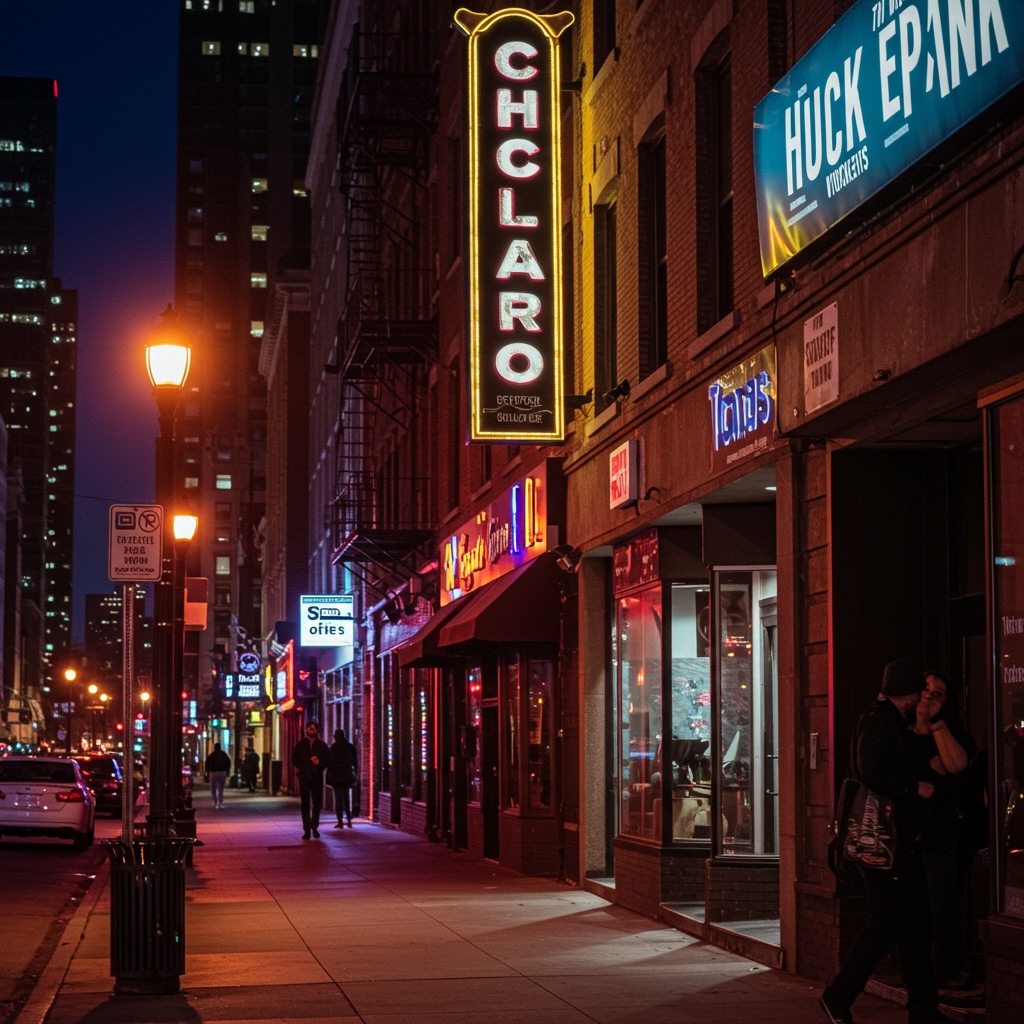
The geography of Chicago’s best bars is concentrated, yet expansive. The West Loop and Fulton Market have emerged as the primary engines of the modern, high-end cocktail experience, largely due to the influx of corporate hospitality investment and the rapid development of residential density in these former industrial zones. Conversely, neighborhoods like Ukrainian Village and Logan Square sustain the city’s ‘industry-favorite’ spots.
These bars are significant economic anchors. They provide employment for thousands of service workers and drive late-night foot traffic that sustains adjacent businesses. The economic impact is often measured in ‘experiential ROI’—where the customer is not just paying for alcohol, but for the architecture, the lighting design, the playlist, and the curated expertise of the staff. As we move into the next fiscal quarter, data suggests that bars with a strong, identifiable ‘hook’—be it a theme, a specific spirit focus, or a unique interior design—are outperforming generic, multi-purpose taverns by nearly 22% in gross revenue.
The Rise of the Reservation-Only Model
A notable shift observed among the top 31 venues is the increasing reliance on reservation systems. Pre-pandemic, walking into a premier bar was a standard expectation. Today, the most lauded spots, particularly those focusing on complex, multi-course drink menus, have moved toward a ticketed or reservation-based entry.
This shift serves two purposes: it allows the bar to manage crowd density, which protects the atmosphere, and it guarantees revenue through deposit models. While some critics argue this creates an exclusionary ‘gatekeeper’ culture, proponents suggest it elevates the bar from a transient drinking space to a destination event, mirroring the evolution of fine dining. This trend is likely to continue as bars invest more in high-cost glassware, rare ingredients, and specialized labor.
The Future of the ‘Old Man Bar’
Despite the push toward high-end cocktail innovation, there is a fierce, counter-cultural loyalty to the ‘Old Man Bar.’ These venues, which occupy the bottom third of our list by price but the top third by emotional resonance, offer a vital service: authenticity.
Venues like the Rainbo Club are not trying to compete with the molecular gastronomy of the West Loop. Their value proposition is reliability. In an increasingly algorithmic and curated city, these bars provide a space of zero pretension. The trend to watch here is the ‘preservation acquisition,’ where new owners purchase these legacy dive bars and commit to keeping the aesthetic, the prices, and the vibe identical, ensuring these cultural artifacts do not disappear in the face of gentrification. This ensures that the Chicago bar scene remains balanced, offering both the hyper-modern and the deeply historic.
FAQ: People Also Ask
Q: What is the defining characteristic of a ‘top’ bar in Chicago?
A: Consistency. The highest-ranked bars, regardless of price point, are those that maintain rigorous standards for service, atmosphere, and product quality, regardless of the night of the week.
Q: Are these bars accessible for tourists?
A: Yes, but with a caveat. The most popular establishments—especially those in the West Loop—frequently require reservations weeks in advance. For the most famous spots, plan your itinerary at least 14 days ahead.
Q: How do these rankings handle price variations?
A: This list prioritizes ‘value-to-experience’ ratios. A dive bar with a $5 beer can rank higher than a cocktail bar with a $25 drink if the dive bar provides an unmatched atmosphere that is true to its specific neighborhood culture.
Q: Is there a dress code for Chicago’s best bars?
A: While most are casual, the high-concept cocktail bars in downtown and Fulton Market often attract a ‘smart casual’ crowd. You will rarely need a suit, but polished footwear and a clean aesthetic are generally recommended for the more upscale venues.