In a significant escalation of federal immigration enforcement, hundreds of National Guard troops from Texas have arrived at an Army Reserve Center in Elwood, Illinois, just southwest of Chicago. This deployment, authorized by the Trump administration, is intended to support federal immigration agents operating in the city amidst an aggressive crackdown. The arrival marks a contentious moment, drawing strong opposition from Illinois and Chicago officials, who have filed lawsuits and decried the move as unlawful and an overreach of federal authority.
Federal Push and Local Pushback


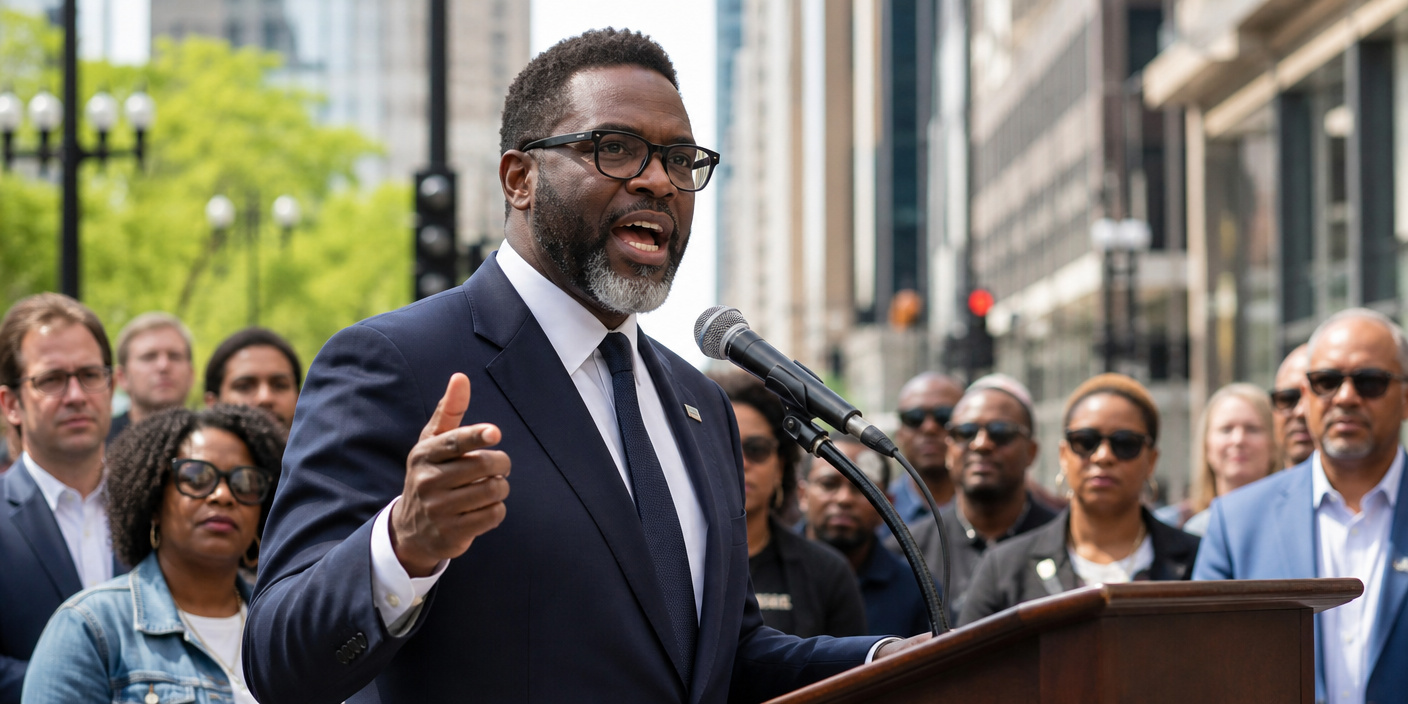
The Trump administration has intensified its immigration enforcement operations in Chicago, referred to by President Trump as “Operation Midway Blitz”. This surge in federal activity has been met with significant resistance from state and city leaders, including Illinois Governor JB Pritzker and Chicago Mayor Brandon Johnson. Governor Pritzker has labeled the deployment an “invasion”, while Mayor Johnson has taken direct action by signing an executive order establishing “ICE-free zones” that prohibit federal immigration agents from using city-owned properties as staging or operational bases.
Legal Battles Erupt Over Deployment
In response to the escalating situation, Illinois and the City of Chicago jointly filed a lawsuit challenging the legality of the deployment. They argue that the federalization of National Guard members, including those from Texas, to perform federal law enforcement functions within Illinois is unconstitutional and part of what they describe as President Trump’s “War” on the state. While a federal judge declined to immediately halt the deployment, a hearing has been scheduled, and the court has ordered the federal government to respond to the lawsuit by Wednesday. This legal challenge mirrors efforts seen in other cities, where similar deployments have faced judicial scrutiny.
Protests, Clashes, and Rhetoric
The presence of federal immigration agents in Chicago has not only sparked political and legal battles but also fueled protests. Clashes have been reported, particularly outside an immigration processing center in suburban Broadview, where federal agents have reportedly used tear gas and pepper balls against demonstrators. One incident involved federal agents shooting a woman whom they claimed attempted to ram their vehicle.
President Trump has amplified the tension with his rhetoric, labeling Chicago a “war zone” and a “hellhole”. He has gone as far as to suggest that Mayor Johnson and Governor Pritzker “should be in jail” for opposing his administration’s actions. Furthermore, Trump has threatened to invoke the Insurrection Act, a rarely used federal law that allows the president to deploy active-duty military personnel domestically to quell unrest, as a means to bypass potential legal obstacles.
Data Discrepancies and Constitutional Questions
Despite President Trump’s characterization of Chicago as a “war zone” plagued by crime, police statistics indicate a significant decrease in homicides and shootings in recent months, a fact highlighted by critics of the deployment. The use of National Guard troops for immigration enforcement, particularly when deployed across state lines against the host state’s wishes, raises substantial constitutional questions regarding the Posse Comitatus Act, which limits the military’s role in domestic law enforcement, and the balance of power between federal and state governments.
The situation in Chicago represents a significant flashpoint in the ongoing national debate over immigration policy and the extent of presidential authority. As troops from Texas are stationed in Illinois, legal battles continue, and political tensions remain high, the NEWS surrounding this federal action is unfolding with national implications. This developing HEADLINE story underscores the deep divisions and the potential for further conflict over immigration enforcement and civil liberties in urban centers. The TOP stories in politics continue to focus on these federal-state clashes.