Skip to content
The Chicago Today
Quantum Aerospace
  • Home
  • Current News
  • Explore & Enjoy
  • Sports
  • Sound & Screen
  • Sip & Savor
  • Style & Innovation
  • Editors Take
Trending
September 3, 2026Chicago’s Labor Day Shift: Jazz Rhythms and Noir Nights September 2, 2026Chicago’s September Pulse: The BLK in the City 9.1-9.7 Guide September 2, 2026G20 Ministers Forge Historic Innovation Consensus in NC September 2, 2026September Streaming: The Definitive Guide to This Month’s Top Movie Releases September 2, 2026Chicago Hotel Strike Looms: 7,000 Workers March for Contracts September 2, 2026Chicago Hotel Workers Rally: Strike Threat Looms Over 46 Properties September 2, 2026Gulf on Edge: Iran Strikes Targets in Kuwait and Irbil September 1, 2026White Sox Target AL Central Crown: The Sept. 1 Effect September 1, 2026Nvidia-MediaTek Alliance: A New AI Chip Paradigm September 1, 2026Chicago’s September Culinary Calendar: Festivals You Can’t Miss
The Chicago Today
The Chicago Today
  • Home
  • Current News
  • Explore & Enjoy
  • Sports
  • Sound & Screen
  • Sip & Savor
  • Style & Innovation
  • Editors Take
  • Blog
  • Forums
  • Shop
  • Contact
The Chicago Today
  Featured  Chicago Police Response Times Improve After ShotSpotter Ban
Featured

Chicago Police Response Times Improve After ShotSpotter Ban

Brittany HollindaleBrittany Hollindale—May 27, 20260
FacebookX TwitterPinterestLinkedInTumblrRedditVKWhatsAppEmail

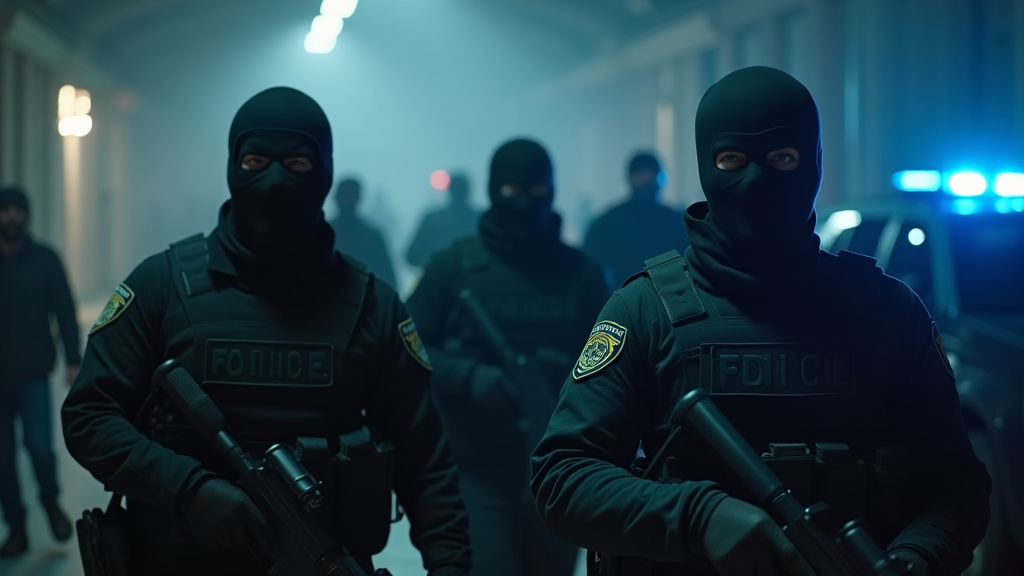
Chicago police have demonstrated a notable improvement in response times to critical 911 calls in certain neighborhoods following the discontinuation of the ShotSpotter gunshot detection system. An analysis of crime data reveals that in the six months after the system was removed from 12 South and West Side areas, police arrived at the scene of the most serious incidents approximately four minutes faster.

Key Highlights:

  • Police response to high-priority 911 calls decreased by an average of four minutes.
  • The improvement occurred in the six months following the removal of ShotSpotter.
  • The analysis focused on 12 specific South and West Side neighborhoods.
  • This shift coincided with Mayor Brandon Johnson’s decision to end the city’s contract with ShotSpotter.

Analysis of Chicago Police Response Dynamics Post-ShotSpotter

In the wake of Mayor Brandon Johnson’s decision to phase out the ShotSpotter gunshot detection system in specific Chicago neighborhoods, a compelling trend has emerged: a significant reduction in police response times to the most serious 911 calls. Data compiled for the six months following the system’s removal from 12 South and West Side areas indicates that officers are now reaching critical incidents an average of four minutes quicker. This analysis, drawing from Chicago crime data, challenges some of the prevailing assumptions about the efficacy and necessity of gunshot detection technology in urban policing.

The Impact of ShotSpotter’s Absence on Response Times

The core of the analysis centers on the period immediately after the controversial ShotSpotter system was deactivated. Proponents of the system often cite its ability to rapidly alert law enforcement to potential gun violence, thereby reducing response times. However, the data from these 12 neighborhoods suggests the opposite occurred once the technology was removed. The average response time for the most serious types of calls, which typically involve immediate threats to life and safety, saw a marked decrease. This suggests that other factors, or perhaps the absence of a potentially disruptive technology, may play a more critical role in efficient police deployment.

Neighborhoods Under Scrutiny
More stories

Chicago Police Sergeant Faces Suspension Over Rights Violation During Downtown Traffic Stop

January 12, 2026
Chicago Mother Accused of Fatal Stabbing, Arson in Attack Killing 4 Year Old Son, Injuring Siblings

Chicago Mother Accused of Fatal Stabbing, Arson in Attack Killing 4-Year-Old Son, Injuring Siblings

July 8, 2025

Bears Eye Indiana: The Bold Dual-Site Stadium Plan

August 14, 2026

Chicago Wolves Clinch 2026 Calder Cup Playoff Berth

March 30, 2026

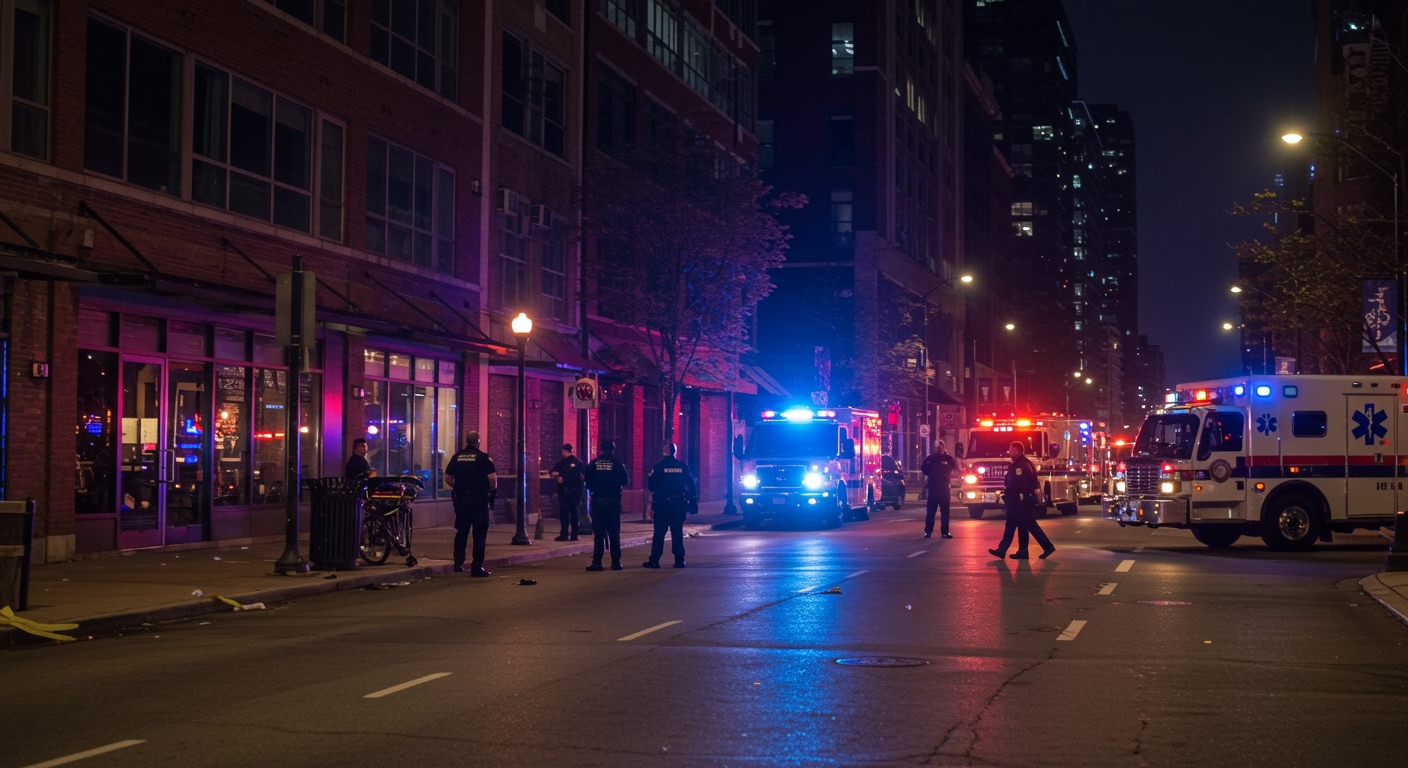
The decision to remove ShotSpotter was concentrated in specific South and West Side neighborhoods, areas that have historically grappled with higher rates of gun violence. The analysis specifically targets crime data from these zones to isolate the impact of the ShotSpotter removal. The consistency of the improved response times across these diverse neighborhoods lends credibility to the findings, indicating a systemic shift rather than a localized anomaly.

Mayor Johnson’s Policy Shift and Public Reaction

Mayor Brandon Johnson’s administration has been a vocal critic of ShotSpotter, citing concerns about its accuracy, its effectiveness in deterring crime, and its potential to exacerbate racial disparities in policing. The decision to scrap the system was met with mixed reactions. While some community advocates and residents celebrated the move, others expressed concerns about a potential rise in gun violence and slower police response. The recent data, however, offers a counter-narrative, suggesting that the removal of ShotSpotter has not negatively impacted, and may have even improved, the police department’s ability to respond to emergencies.

Examining the Underlying Causes of Improved Response

Several factors could contribute to the observed decrease in response times. It’s possible that without the automated alerts from ShotSpotter, dispatchers are relying more heavily on direct 911 caller information and officer proximity, leading to more efficient routing. Alternatively, the removal of the system might have freed up resources or altered policing strategies in these areas, leading to a more proactive or responsive presence. Further investigation into dispatch logs and resource allocation would be necessary to fully understand the mechanics behind this improvement.

FAQ: People Also Ask

Q1: What is ShotSpotter and why was it removed in Chicago?
A1: ShotSpotter is a technology system that uses acoustic sensors to detect and locate gunshots. In Chicago, its contract was not renewed by Mayor Brandon Johnson’s administration, citing concerns over its effectiveness, accuracy, and potential racial bias.

Q2: Which neighborhoods in Chicago had ShotSpotter removed?
A2: The system was removed from 12 specific neighborhoods on Chicago’s South and West Sides.

Q3: How much did police response times improve?
A3: In the six months following the removal, police response times to the most serious 911 calls in these neighborhoods improved by an average of four minutes.

Q4: Does this mean ShotSpotter is ineffective?
A4: The data suggests that in these specific Chicago neighborhoods, the removal of ShotSpotter did not lead to slower response times and may have contributed to faster ones. However, the overall effectiveness of such systems is a complex issue with ongoing debate and varying results in different contexts.

Q5: What are the implications of faster police response times?
A5: Faster response times to serious incidents can be crucial for providing immediate aid to victims, apprehending suspects, and potentially de-escalating dangerous situations, thereby enhancing public safety.


FacebookX TwitterPinterestLinkedInTumblrRedditVKWhatsAppEmail

Brittany Hollindale

Hi, I'm Brittany. I hold a Bachelor's degree in Journalism from the University of California, Berkeley, and a Master's degree from the University of Washington, where I specialized in digital media and investigative reporting. I'm driven by a passion for telling stories that resonate with our community, from in-depth investigations to vibrant features on LA's diverse culture. In my free time, I enjoy exploring the city's art scene, attending local theater productions, and discovering new favorite spots in eclectic neighborhoods. Thank you for reading my work and engaging with the stories that make our community unique.

Deadly Blast Rocks WA: Chemical Explosion Claims Lives
Drake’s “Janice STFU” Shatters Billboard Records
Related posts
  • Related posts
  • More from author
Featured

Chicago Hotel Workers Rally: Strike Threat Looms Over 46 Properties

September 2, 20260
Featured

$100M Data Center Tax Windfall Spurs Suburban Fiscal Backlash

August 31, 20260
Featured

BTS Chicago Takeover: Logistics, Impact, and Sold-Out Shows

August 26, 20260
Load more
Read also
Explore & Enjoy

Chicago’s Labor Day Shift: Jazz Rhythms and Noir Nights

September 3, 20260
Sip & Savor

Chicago’s September Pulse: The BLK in the City 9.1-9.7 Guide

September 2, 20260
Style & Innovation

G20 Ministers Forge Historic Innovation Consensus in NC

September 2, 20260
Sound & Screen

September Streaming: The Definitive Guide to This Month’s Top Movie Releases

September 2, 20260
Headlines

Chicago Hotel Strike Looms: 7,000 Workers March for Contracts

September 2, 20260
Featured

Chicago Hotel Workers Rally: Strike Threat Looms Over 46 Properties

September 2, 20260
Load more
Recent Posts
  • Chicago’s Labor Day Shift: Jazz Rhythms and Noir Nights September 3, 2026
  • Chicago’s September Pulse: The BLK in the City 9.1-9.7 Guide September 2, 2026
  • G20 Ministers Forge Historic Innovation Consensus in NC September 2, 2026
  • September Streaming: The Definitive Guide to This Month’s Top Movie Releases September 2, 2026
  • Chicago Hotel Strike Looms: 7,000 Workers March for Contracts September 2, 2026

    # TRENDING

    chicago20252026aiFashionStreamingreviewaccountabilityinnovationfundingfestivalmusicnetflixalbumculinaryactionacquisitionnascarhululineup
    © 2024 All Rights Reserved by Chicago Today
    • Contact
    • Cookie Policy
    • Privacy Policy
    The Chicago Today
    Manage Consent
    To provide the best experiences, we use technologies like cookies to store and/or access device information. Consenting to these technologies will allow us to process data such as browsing behavior or unique IDs on this site. Not consenting or withdrawing consent, may adversely affect certain features and functions.
    Functional Always active
    The technical storage or access is strictly necessary for the legitimate purpose of enabling the use of a specific service explicitly requested by the subscriber or user, or for the sole purpose of carrying out the transmission of a communication over an electronic communications network.
    Preferences
    The technical storage or access is necessary for the legitimate purpose of storing preferences that are not requested by the subscriber or user.
    Statistics
    The technical storage or access that is used exclusively for statistical purposes. The technical storage or access that is used exclusively for anonymous statistical purposes. Without a subpoena, voluntary compliance on the part of your Internet Service Provider, or additional records from a third party, information stored or retrieved for this purpose alone cannot usually be used to identify you.
    Marketing
    The technical storage or access is required to create user profiles to send advertising, or to track the user on a website or across several websites for similar marketing purposes.
    • Manage options
    • Manage services
    • Manage {vendor_count} vendors
    • Read more about these purposes
    View preferences
    • {title}
    • {title}
    • {title}