Chicago officially ushered in the holiday season this morning as the 92nd annual Chicago Thanksgiving Parade descended upon the city’s downtown district. Thousands of spectators lined State Street, transforming the urban corridor into a vibrant spectacle of giant helium balloons, elaborate floats, and high-energy marching bands. This year’s festivities mark a continuation of one of the Midwest’s most enduring traditions, blending historical significance with modern community celebration as the city gathers to mark the beginning of the holiday countdown.
Key Highlights:
- The parade takes place in the heart of downtown Chicago, specifically traversing State Street from Ida B. Wells Drive to Randolph Street.
- Featuring a lineup of signature giant helium balloons, professional floats, and diverse marching bands, the event serves as a focal point for city-wide holiday morale.
- Organized by the Chicago Festival Association, the event requires massive logistical coordination to ensure pedestrian safety and traffic flow in a high-density urban area.
- The parade is broadcast locally, allowing viewers across the region to experience the pageantry without braving the early morning November chill.
A Legacy of Celebration: The 92nd Chicago Thanksgiving Parade
The annual Chicago Thanksgiving Parade stands as more than just a morning event; it is a vital thread in the fabric of the city’s seasonal culture. For nearly a century, this procession has provided a consistent, communal experience for Chicagoans, bridging generations through shared wonder and festive pageantry. As the 92nd installment unfolds, it is a testament to the resilience and endurance of a tradition that has survived changing urban landscapes, economic shifts, and the unpredictable nature of late-November Midwestern weather.
The Historical Roots of the Procession
Tracing its origins back to the 1930s, the parade was initially conceptualized during the Great Depression to boost public morale and stimulate local commerce. At its inception, the goal was to provide a spectacle that was accessible to all, free of charge, during a time of significant economic hardship. Over the decades, the event has evolved from a modest local procession into a major broadcast entity. Historians of the Chicago Festival Association often point to the transition from simple motorized wagons to the high-tech, multi-story helium balloons seen today as a mirror to the city’s own technological and commercial growth. This 92nd year represents a unique milestone, positioning the event as one of the longest-running civic traditions in the United States, comparable in historical weight to the storied parades of New York or Philadelphia, yet distinct in its purely Chicagoan character.
Logistics of a Downtown Spectacle
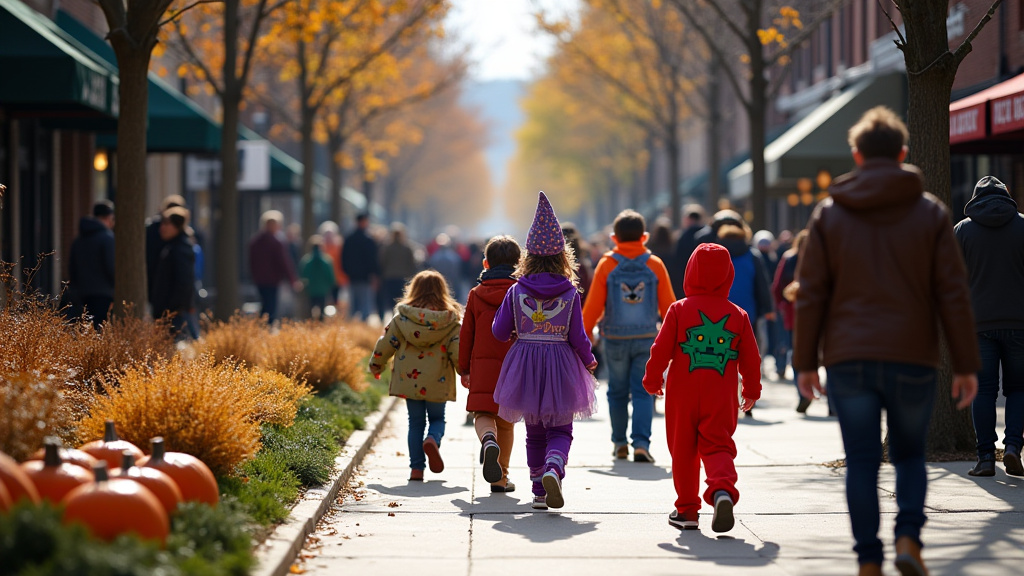
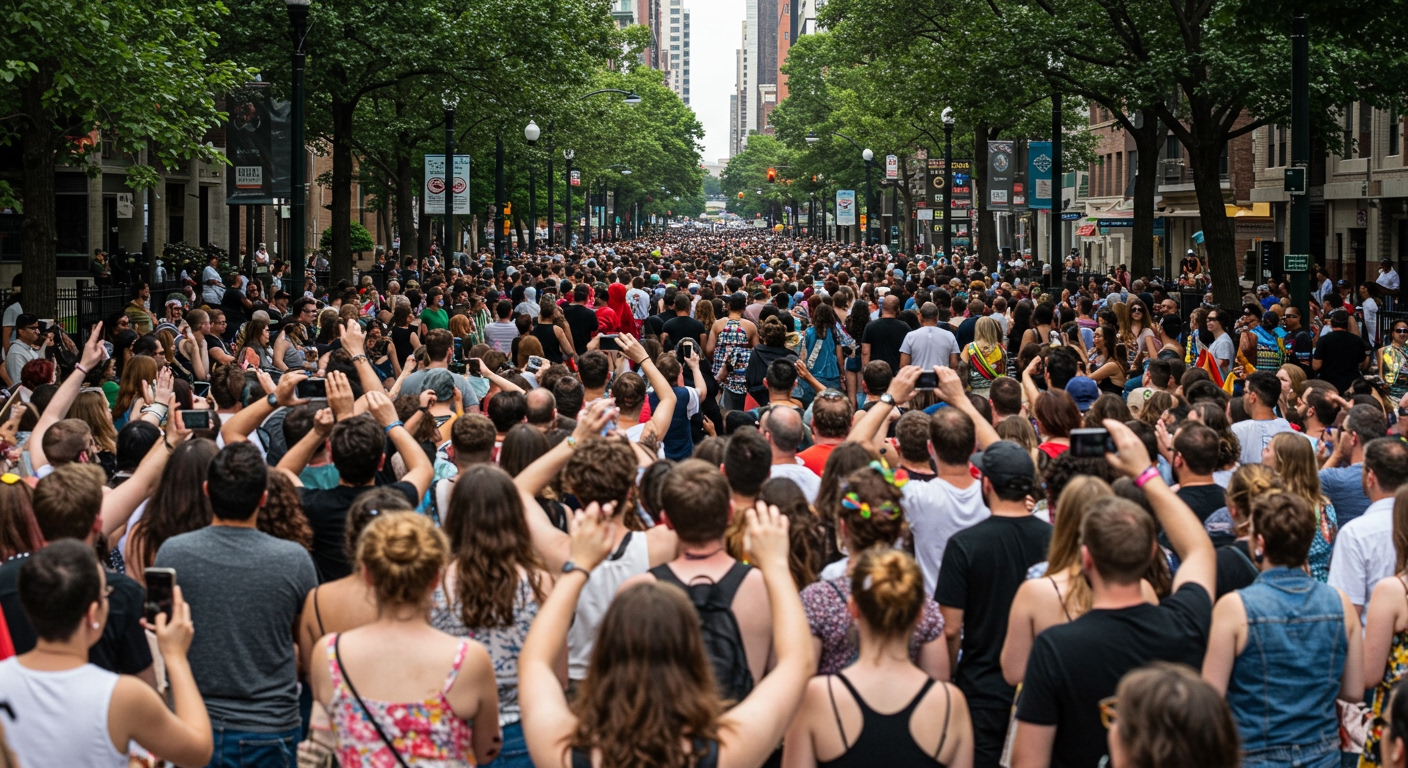

The logistics involved in executing the parade on State Street are immense. Spanning the route from Ida B. Wells Drive to Randolph Street, the event requires months of coordination with the Chicago Police Department, the Department of Transportation, and various neighborhood stakeholders. The primary challenge is the sheer physical scale of the parade elements—the giant helium balloons, which often reach several stories in height, require precise maneuvering to avoid the overhead electrical infrastructure and the towering architectural features of the Loop district. Managing the crowd density is equally complex. Spectator security protocols are robust, with designated viewing zones established along the route to maintain safety while ensuring that thousands of attendees get a clear line of sight to the festivities.
The Craft of the Balloon Handlers
One of the most technically impressive aspects of the parade is the balloon corps. Unlike standard inflatables, these characters are engineered as sophisticated flight vehicles. The ‘balloon handlers’—a cadre of volunteers and trained professionals—undergo rigorous rehearsals. They must navigate the ‘Windy City’ effect, where street canyons create unpredictable wind tunnels. If the gusts exceed specific safety thresholds, certain balloons may be grounded; however, the engineering teams continuously refine the weighting and tethering systems to maximize the flight duration of these giants. This commitment to the craft is a significant part of what makes the Chicago Thanksgiving Parade a standout event for enthusiasts of large-scale public installations.
Marching Bands and Cultural Representation
The musical component of the parade is perhaps its most diverse element. Marching bands are curated to represent not just Chicago’s public and private school systems, but also collegiate and regional groups from across the country. This selection process is highly competitive. For many of these young musicians, the Chicago parade is a career-defining moment, a rare opportunity to perform in front of a massive urban audience and a regional television viewership. The thematic variety of the music—from high-octane modern pop arrangements to traditional brass band standards—ensures that the parade maintains a broad appeal across different demographics, effectively serving as an auditory showcase of the region’s youth culture.
Economic Impact and Tourism
Beyond the pageantry, the economic footprint of the parade is substantial. Retailers and hospitality businesses along State Street and the surrounding Magnificent Mile see a surge in early-morning traffic, as thousands of spectators settle into nearby cafes and hotels before the event starts. By creating a compelling reason for residents and tourists to occupy the downtown space early on a holiday morning, the Chicago Festival Association generates a ‘halo effect’ for local businesses. This event acts as the unofficial ‘kickoff’ for the holiday retail season, setting the stage for the heavy commercial activity that defines the month of December in Chicago. The city’s investment in the parade is widely considered an investment in its own brand as a holiday destination, ensuring the Loop remains a vibrant center of activity during what might otherwise be a quiet morning.
FAQ: People Also Ask
1. Q: How long is the parade route on State Street?
A: The parade typically follows a set route on State Street, moving from Ida B. Wells Drive north to Randolph Street, covering approximately 10-12 blocks of prime downtown real estate.
2. Q: Can I still see the parade if I am not in downtown Chicago?
A: Yes, the event is heavily produced for television. Local broadcasting partners, such as CW26 and MeTV+, typically provide live, multi-camera coverage, allowing viewers to see the floats and bands from the comfort of their homes.
3. Q: How early should I arrive to get a good spot?
A: For prime viewing along the barricades, spectators usually begin arriving as early as 6:30 or 7:00 AM, given that the parade steps off in the morning. Popular intersections near State and Madison often fill up quite rapidly.
4. Q: Is the parade cancelled if it rains or is windy?
A: The parade generally proceeds rain or shine. However, excessive wind speeds can lead to the grounding of large helium balloons for safety reasons, as the safety of the handlers and spectators is the paramount concern of the organizers.