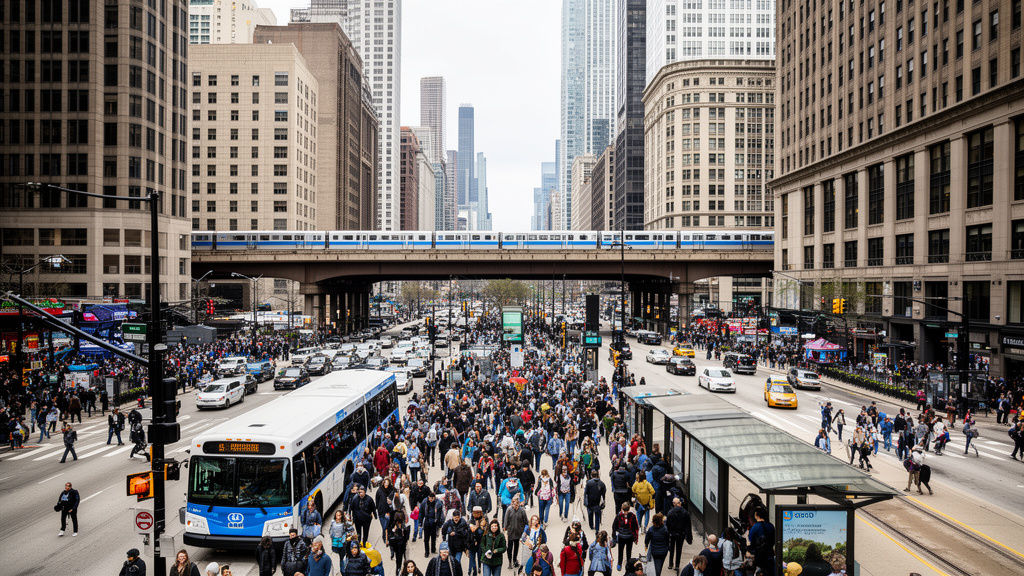
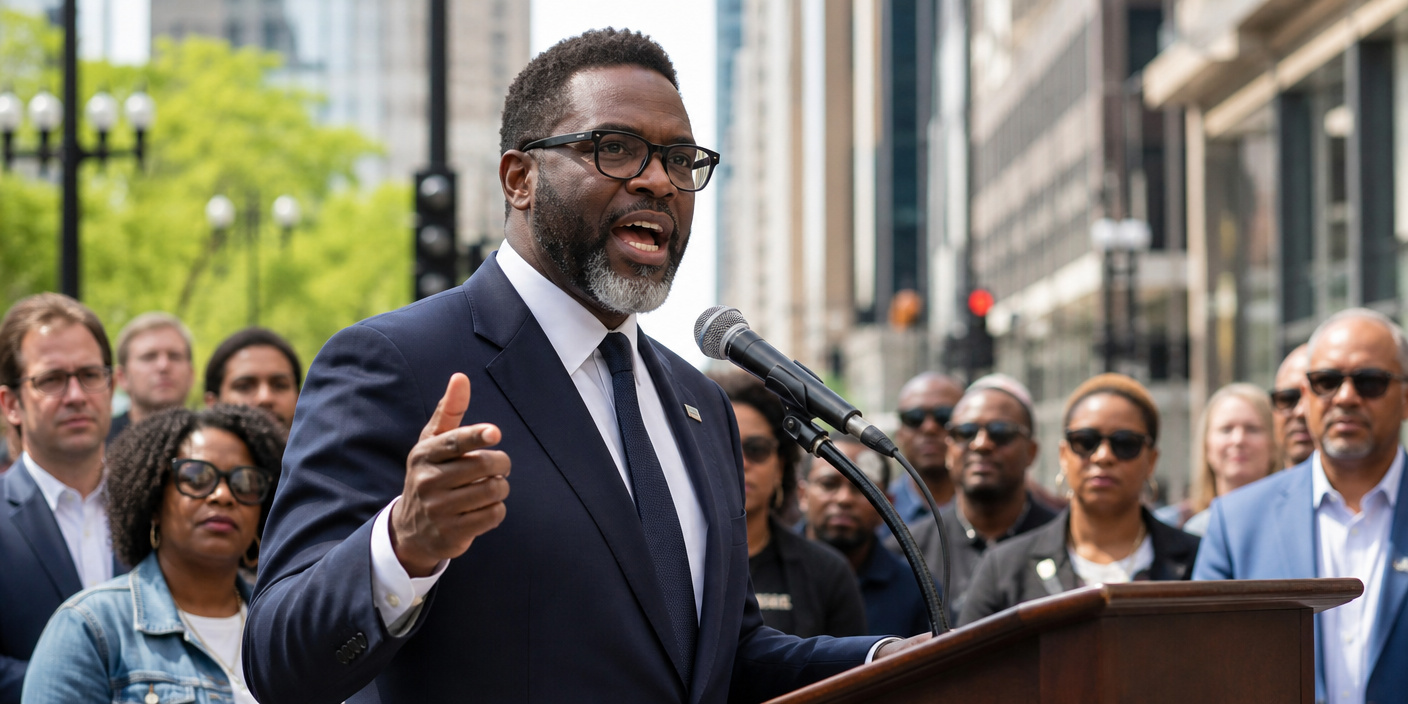
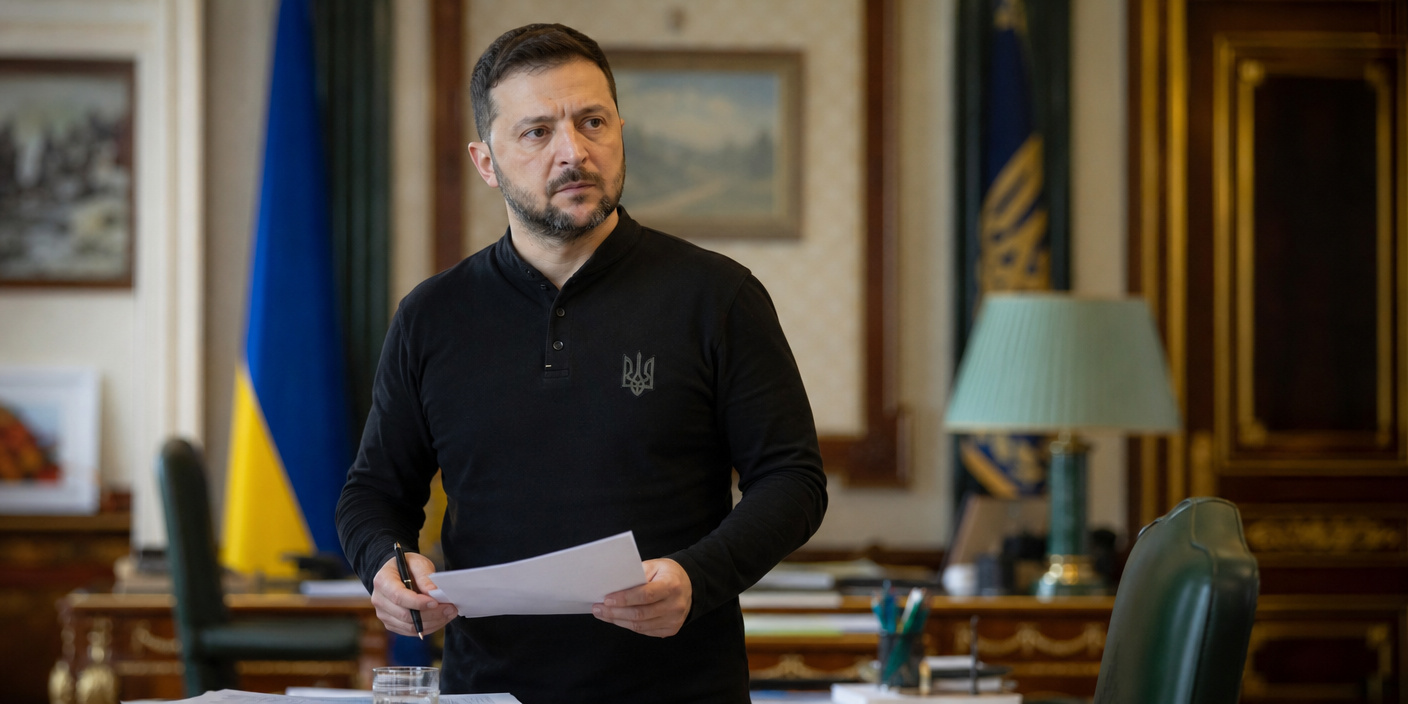
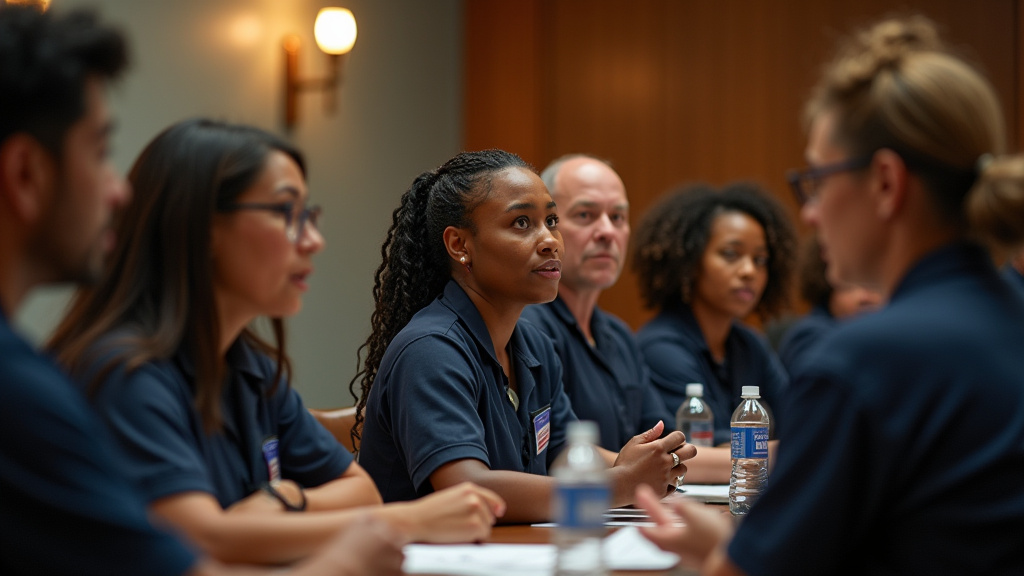
Thousands of Chicago hospitality workers have officially voted to authorize a strike, marking a critical escalation in the ongoing labor tensions within the city’s vital tourism and convention sector. The vote, organized by UNITE HERE Local 1—the union representing the vast majority of hotel employees in the Windy City—serves as a powerful signal to major hotel management companies that the workforce is prepared to walk off the job if current contract negotiations do not yield significant improvements in wages, staffing levels, and pension security. As Chicago’s economy relies heavily on its status as a premier destination for business and leisure travel, this strike authorization creates a period of extreme uncertainty for hotel operators, planners, and visitors alike.
Key Highlights
- Union Strength: UNITE HERE Local 1 members voted overwhelmingly to authorize a strike, demonstrating a unified front across various hotel properties in downtown Chicago.
- Core Demands: The primary issues driving the action include demands for higher hourly wages to combat inflation, the restoration of staffing levels reduced during the pandemic, and long-term pension stability.
- Economic Stakes: A potential strike threatens to disrupt major upcoming conventions at McCormick Place and peak tourism season, potentially costing the city millions in lost revenue.
- No Timeline Yet: While the authorization vote empowers union leadership to call a strike, no specific date has been set, leaving the door open for continued negotiations.
The Anatomy of the Chicago Hospitality Labor Crisis
The decision to authorize a strike in the Chicago hospitality sector is not an impulsive reaction but the culmination of years of mounting pressure. Since the onset of the COVID-19 pandemic, the hotel industry has undergone a radical transformation. While occupancy rates have rebounded to near-pre-pandemic levels, many hotel operators have retained the “lean” staffing models adopted during the crisis. For workers, this has translated into increased workloads, longer hours, and a constant struggle to maintain quality service standards without adequate support.
The Post-Pandemic Staffing Dilemma
Historically, Chicago hotels relied on a robust staff structure to maintain the high standards expected by international business travelers and leisure tourists. Post-2020, however, “short-staffing” became the new norm. Housekeepers, in particular, have reported that they are now required to clean more rooms in less time, leading to physical strain and burnout. The union’s position is clear: the industry is profitable again, and those profits should be reinvested into the workforce. The strike vote highlights a fundamental disagreement over who should bear the burden of operational efficiency. Hotel management groups argue that they are managing rising costs, including insurance and property taxes, while the union maintains that the human cost of these measures has become unsustainable.
The Economic Ripple Effect

Chicago is a global hub for conventions. Properties like the Hilton Chicago, Hyatt Regency, and others in the downtown corridor serve as the backbone of the city’s massive meeting and events industry. A strike at these locations would not merely inconvenience guests; it would paralyze the infrastructure required to host thousands of attendees for major conferences at McCormick Place. Industry analysts warn that even the threat of a strike can lead to cancellations, as corporate event planners prioritize certainty. If walkouts occur, the ripple effects would extend far beyond the hotels—affecting local restaurants, transportation services, and the city’s tax base, which relies heavily on hotel occupancy taxes to fund public services.
Historical Context and Union Leverage
Labor relations in Chicago have always been robust, and UNITE HERE Local 1 is known for its aggressive and effective bargaining tactics. Looking back at the 2018 hotel strikes in Chicago—which lasted weeks—one can see a blueprint for the current situation. During that period, the union successfully leveraged the disruption of major events to force concessions from management. The current vote is a calculated escalation tactic. By securing the authorization now, the union gains critical leverage at the bargaining table. It signals to hotel chains that the workers are organized, engaged, and willing to sacrifice immediate pay to secure better long-term conditions. For the hotel chains, the risk of a prolonged strike is often more expensive than conceding to the union’s primary economic demands, particularly regarding wage increases that track with the rising cost of living in major urban centers.
The Future of Collective Bargaining in Hospitality
This situation represents a broader trend in the American service economy. Following the massive labor shifts of 2021-2023, service workers are increasingly utilizing the strike authorization vote as a tool to reclaim power. The “One Fair Wage” movement and similar initiatives have gained significant momentum, shifting the narrative from “unskilled labor” to essential workers who are the face of the brand. Whether this results in a landmark contract or a sustained work stoppage, the outcome in Chicago will likely be studied by hospitality unions in other major cities, including New York, Los Angeles, and Las Vegas, as they navigate their own contract cycles.
FAQ: People Also Ask
1. Why are Chicago hotel workers voting to strike right now?
Workers are seeking a new collective bargaining agreement that addresses post-pandemic staffing shortages, rising inflation-adjusted wages, and security for pension funds. The vote authorizes union leadership to initiate a strike if these core demands are not met.
2. Will all Chicago hotels be affected?
The strike authorization generally covers properties represented by UNITE HERE Local 1. While this includes many major downtown hotel chains, it does not necessarily apply to every single hotel in the city. Travelers should check with their specific hotel property for status updates.
3. Is a strike currently happening?
No. The vote gives the union the power to call a strike, but it does not mean a strike has begun. Negotiations are ongoing, and the authorization is a tactical step to pressure management during these discussions.
4. How long could a potential strike last?
History shows that such strikes can last anywhere from a few days to several weeks. In 2018, Chicago hotel workers remained on the picket lines for several weeks before reaching a settlement with hotel management groups.