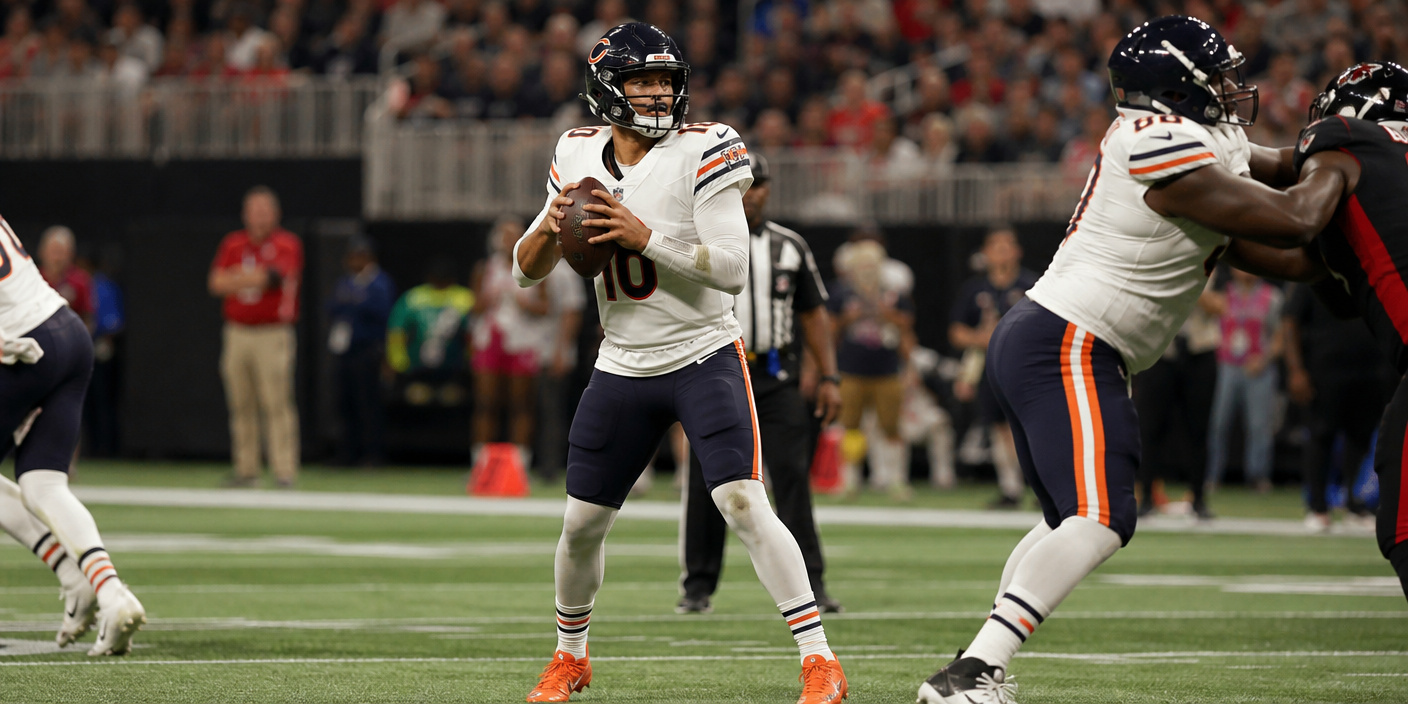
The Chicago Bears, a cornerstone of the National Football League and the historic ‘Monsters of the Midway,’ are currently navigating a precarious crossroads. Illinois State Senator Sue Rezin (R-Morris) has injected a significant dose of reality into the ongoing stadium negotiations, publicly stating that the probability of the team remaining within state lines is currently a ’50-50′ proposition. This assessment reflects the deepening anxiety among state lawmakers who fear that the bureaucratic friction surrounding potential stadium funding could push one of professional sports’ most iconic brands across the border.
The Legislative Ultimatum

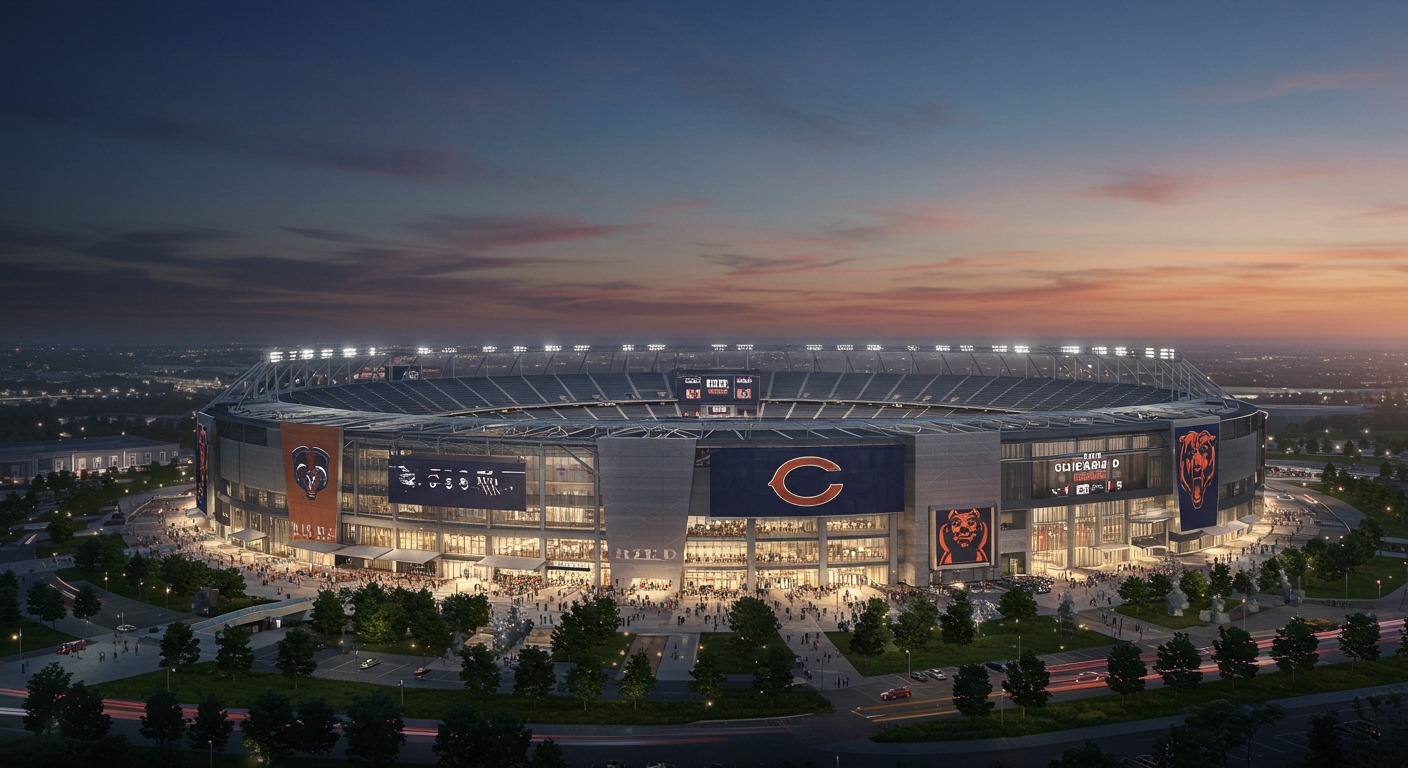

Senator Rezin’s comments serve as both a diagnostic of the current political landscape and a warning shot to stakeholders in Springfield. At the heart of the matter lies a complex legislative impasse regarding the financing of a new, state-of-the-art stadium. The Chicago Bears have long sought a permanent solution to replace the aging Soldier Field, the smallest stadium in the NFL. While the team’s ownership has explored various avenues—most notably the acquisition of the former Arlington International Racecourse in Arlington Heights—the focus has shifted to the feasibility of a lakefront stadium project.
However, the prospect of public financing for a private entity’s facility remains a polarizing issue in the Illinois General Assembly. Rezin argues that without a proactive, cohesive legislative strategy, the state risks losing the economic engines that accompany an NFL franchise. The ’50-50′ figure is not merely speculative; it is a barometer of the lack of confidence in the current negotiation pace. The legislative calendar waits for no team, and as the Bears weigh their long-term infrastructure needs, the windows for securing state-level support are closing.
The Indiana Variable: A Competitive Threat
For decades, the idea of the Chicago Bears playing outside of Illinois seemed unthinkable, akin to a cultural impossibility. Yet, the current reality of stadium economics dictates that franchises will prioritize facilities that offer the highest return on investment and the most flexible development rights. Indiana has emerged as more than a theoretical alternative; it has become a legitimate contender.
Regional reports suggest that Northwest Indiana officials have been positioning themselves to be an attractive landing spot should Illinois fail to reach a deal. Indiana’s legislative climate, often characterized by more streamlined corporate development incentives and a aggressive approach to sports infrastructure, provides a stark contrast to the often-gridlocked nature of Illinois politics. If the Bears were to move, it would represent a catastrophic loss of tax revenue, tourism, and civic identity for the state of Illinois. The threat of a move to Indiana forces Springfield to confront the reality that the Bears are no longer operating under the assumption of permanence in their home state.
Economic Ripples and Historical Context
Beyond the raw statistics of the stadium project, the economic stakes for Illinois are immense. The franchise is not merely a sports team; it is an economic anchor that supports thousands of jobs, hospitality sectors, and transit development plans. If the Bears leave, the vacuum left in the Chicago sports market would be profound, impacting everything from local business revenue to the intangible brand equity of the city itself.
Historically, the NFL has seen teams relocate for stadium leverage—most recently the Raiders moving from Oakland to Las Vegas, and the Chargers from San Diego to Los Angeles. In each instance, the narrative began with a ’50-50′ uncertainty that eventually tipped toward relocation due to a failure to secure favorable public-private partnerships. Senator Rezin’s assessment suggests that Illinois is dangerously close to repeating the mistakes of these other municipalities. The ’50-50′ odds are a clear signal that the status quo is no longer a viable strategy for those who wish to keep the Bears firmly rooted in their historic home.