The fragile peace in the Middle East has effectively evaporated following a coordinated series of strikes by Iranian forces against U.S. allies in Kuwait and the Kurdistan region of Iraq. This escalation, which follows a U.S. military operation that destroyed several key Iranian rocket launcher sites, marks the violent conclusion of a monthlong period of relative calm in the region. The sudden shift in momentum has placed U.S. Central Command (CENTCOM) and regional coalition partners on high alert as tensions reach a dangerous, new inflection point.
Key Highlights
- The Trigger: The Iranian strikes were a direct response to a recent U.S. military operation that successfully neutralized multiple mobile rocket launchers operated by Iranian proxies.
- Strategic Targets: Attacks were reported in Kuwait and Irbil, signifying a calculated decision by Tehran to strike both U.S. logistical hubs and Kurdish regions housing U.S.-led Coalition personnel.
- End of a Lull: The events abruptly terminate a monthlong de-escalation window that had raised hopes for regional stability.
- Regional Impact: The escalation threatens to destabilize energy corridors and complicates ongoing diplomatic efforts to curb Iranian-backed militia activities in Iraq and beyond.
Geopolitical Flashpoint: The Return of Open Conflict
The current escalation is not merely a tactical exchange but a significant shift in the strategic landscape of the Persian Gulf and the Levant. For thirty days, the region experienced a rare “lull”—a period characterized by reduced activity from Iranian-aligned militias and a relative pause in overt kinetic operations by the U.S.-led Coalition. This quiet period suggested a possible shift in the “Gray Zone” warfare that has defined the conflict for the last several years. However, the latest series of strikes indicates that this pause was merely a reset period, not a move toward long-term de-escalation.
The Breakdown of the Monthlong Lull
Analysts monitoring the region noted that the monthlong calm was likely an attempt by both sides to reassess their positions. The U.S. military’s decision to strike Iranian rocket launchers—a preemptive move intended to deter future attacks—was predicated on high-value intelligence suggesting an imminent threat to U.S. forces. By targeting these assets, the U.S. aimed to degrade Iran’s ability to conduct long-range precision fires. Iran’s response, however, demonstrates that the infrastructure supporting these militias remains intact and capable of rapid reactivation. The suddenness of the retaliation suggests that Tehran had contingency plans in place specifically designed to be executed the moment the “rocket launcher” threat was neutralized.
Precision Strikes and Asymmetric Responses

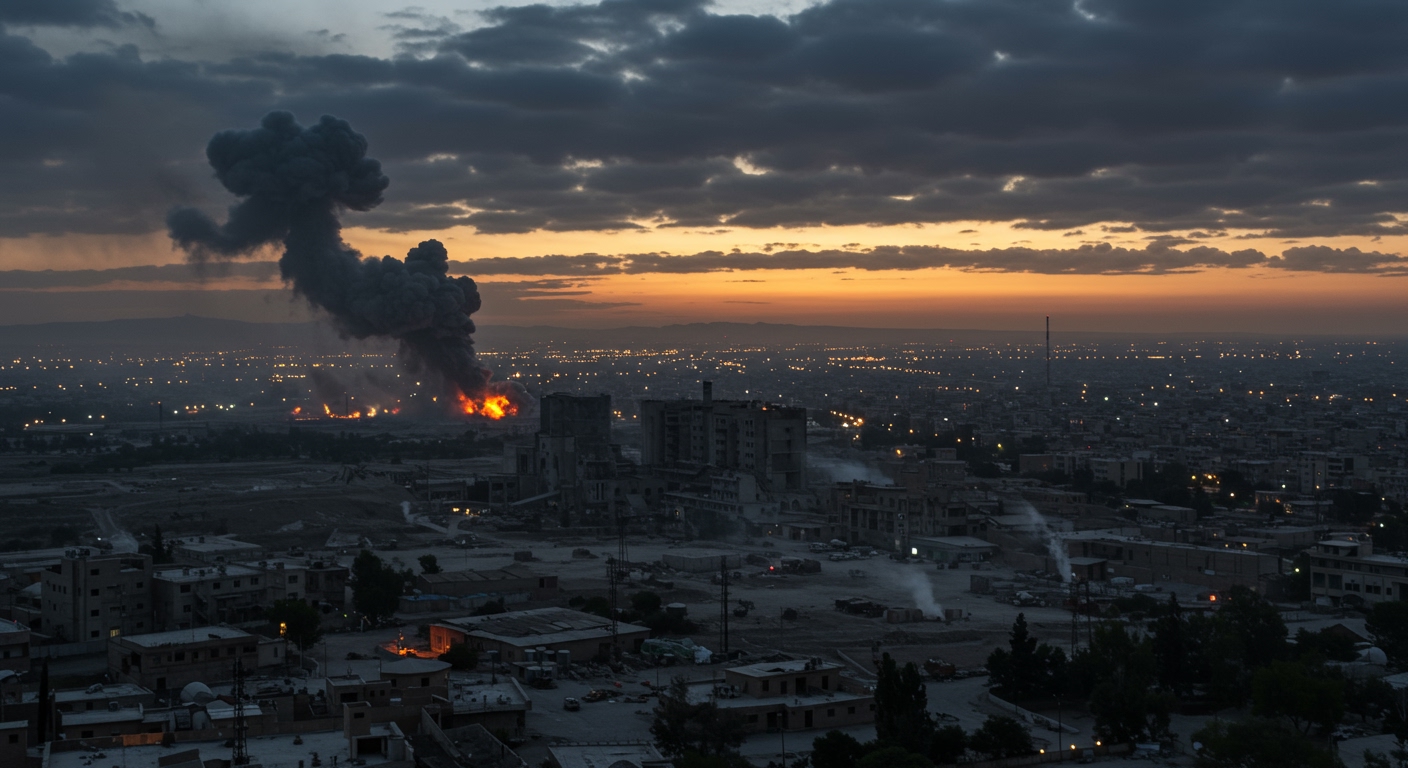


By hitting targets in Kuwait and Irbil, Iran has signaled a two-pronged strategy. First, by targeting Irbil—the capital of the Kurdistan Regional Government (KRG)—Iran aims to pressure the regional government for its cooperation with the U.S.-led Coalition. Second, the movement of hostilities toward Kuwait represents a significant escalation, as it brings the conflict closer to critical infrastructure and major U.S. military staging areas. The choice of these locations is highly symbolic and strategic. Unlike previous skirmishes often confined to the Syrian-Iraqi border, these attacks demonstrate a reach that challenges the security architecture of the broader Gulf region.
The Regional Domino Effect
The impact of this latest round of hostilities is felt far beyond the immediate blast sites. Kuwait, a key logistical ally of the United States, now faces the direct risk of becoming a theater for proxy conflict. This creates a difficult diplomatic situation for the Kuwaiti government, which balances a deep security partnership with the U.S. while attempting to maintain pragmatic relations with Tehran. Simultaneously, the Kurdistan Regional Government faces the threat of destabilization from within, as Iranian pressure campaigns seek to undermine the KRG’s authority and its alignment with Western security interests.
Economic and Energy Security Implications
With the Gulf serving as a vital artery for global energy, the renewed cycle of violence has immediate economic repercussions. While there has not yet been a direct attack on oil infrastructure, the proximity of these strikes to critical transit corridors creates “risk premiums” in the global energy market. Any perceived threat to the Strait of Hormuz—the world’s most important oil chokepoint—will undoubtedly lead to market volatility. Shipping companies are already recalibrating their insurance rates and route planning, fearing that the “monthlong lull” has been permanently replaced by a sustained period of volatility.
Strategic Prognosis: What Happens Next?
Moving forward, the primary concern for CENTCOM and regional stakeholders is the risk of accidental escalation leading to a broader regional war. The U.S. strategy of “deterrence by denial”—destroying the weapons before they are used—is currently facing its most severe test. If the U.S. continues to strike at Iranian assets, Tehran has shown it is willing to escalate horizontally, spreading the conflict to previously quiet areas. Conversely, if the U.S. hesitates, it risks losing the initiative. The coming weeks will likely see an intensification of surveillance and defensive posturing, as both sides determine the next move in a high-stakes game of regional chess.
FAQ: People Also Ask
1. Why did Iran choose to strike Kuwait and Irbil specifically?
Iran chose these locations to maximize geopolitical pressure. Irbil is home to strategic U.S. military assets and is the heart of the Kurdish region, while Kuwait serves as a critical logistical hub for U.S. forces in the Gulf. Targeting both signals that no U.S. ally in the region is beyond the reach of Iranian-backed capabilities.
2. What was the purpose of the U.S. strike on the rocket launchers?
According to official reports, the U.S. operation was a preventive strike aimed at neutralizing a stockpile of Iranian-supplied mobile rocket launchers that intelligence indicated were prepared for an imminent attack on U.S. Coalition forces.
3. Will this conflict lead to a full-scale war?
While both sides appear to be operating under the threshold of total war, the risk is at its highest point in months. The “monthlong lull” was a temporary stabilization, and the current dynamic suggests a return to active, violent competition that could spill over if miscalculations occur on either side.
4. How does this impact the U.S. presence in the region?
This escalation places immense pressure on the U.S.-led Coalition to prove it can protect its allies. It likely necessitates a reassessment of defense systems, including the deployment of additional air defense batteries like Patriot systems to countries like Kuwait to deter future missile or drone attacks.