Chicago, which recently served as the epicenter of the political world during the 2024 Democratic National Convention (DNC), has been officially ruled out as a host city for the 2028 convention. The decision, finalized by the Democratic National Committee, marks a definitive shift in the party’s strategic planning and geography for the next presidential cycle, signaling a move away from repeating host locations in consecutive cycles.
The Strategic Pivot: Why Chicago is Off the Table
The Democratic National Committee’s decision to exclude Chicago from the 2028 host city contention is grounded in a long-standing logistical and political doctrine: the pursuit of geographic rotation. While Chicago’s hosting of the 2024 convention at the United Center was viewed by party leadership as an operational success—showcasing the city’s ability to manage massive security perimeters, coordinate regional transportation, and facilitate the infrastructure required for over 5,000 delegates and thousands of media personnel—the DNC has prioritized reaching diverse voter demographics through geographic variation.
Political strategists often point to the “swing state” necessity as a primary driver for host city selection. By 2028, the DNC is expected to focus its resources on regions that may be critical to the electoral college math. While Illinois is a Democratic stronghold, the DNC’s convention-hosting philosophy is frequently aimed at building momentum in battleground territories, making a return to the Midwest immediately after a 2024 hosting cycle less attractive to the committee’s executive board.
The 2024 Legacy and Operational Thresholds
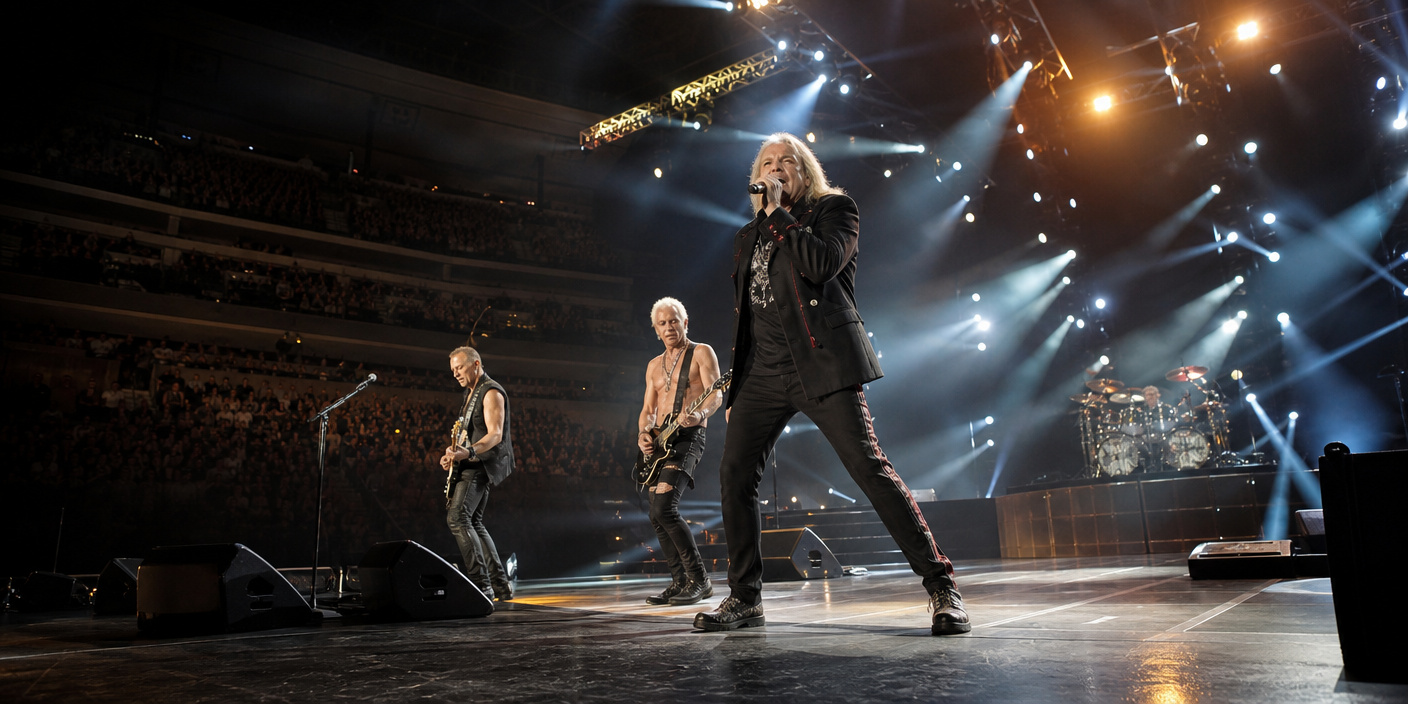
The 2024 convention, which saw the United Center serve as the primary plenary stage with McCormick Place hosting auxiliary events, set a high bar for logistical efficiency. City officials and the local host committee worked extensively to secure $150 million to $200 million in projected economic impact. This figure was derived from hotel occupancy rates, increased restaurant spending, and service industry upticks throughout the downtown corridor.
However, the exclusion of Chicago for 2028 is not an indictment of its performance. Hosting a DNC is an enormous strain on municipal resources, requiring massive private-public coordination for security, traffic management, and hospitality. For the 2024 event, the city had to navigate complex agreements with federal authorities, including the Secret Service, to ensure the security of the President and Vice President. Choosing to sit out the 2028 cycle allows the city’s infrastructure to avoid the cyclical burnout associated with consecutive major-event hosting and frees up municipal budgets that are often heavily taxed by such events.
Economic Implications for the Windy City


The economic fallout of not hosting the 2028 convention is a subject of nuance for local stakeholders. While the direct injection of capital associated with a DNC is significant, it is often accompanied by “crowding out” effects. During the 2024 convention, some local businesses reported that regular, high-value corporate and convention traffic was displaced by the DNC’s security zones and road closures.
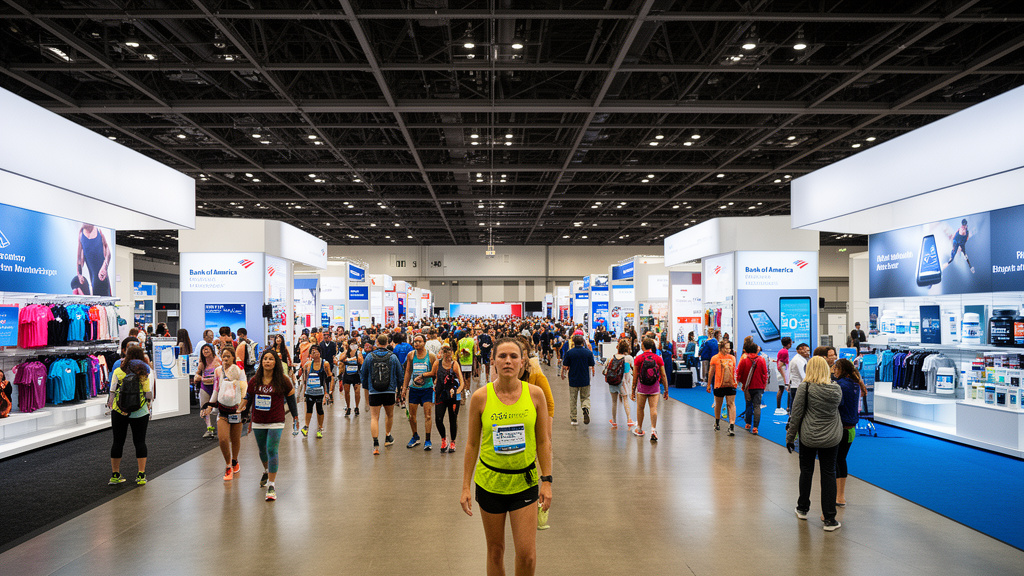
By stepping back from the 2028 bidding process, Chicago is positioned to pursue a more diverse portfolio of events. Convention and Tourism bureaus in major cities often find that balancing political conventions—which are notoriously difficult to predict regarding their economic yield—with consistent, revenue-reliable trade shows and professional conferences can be a more stable strategy. The “missing” revenue from a 2028 convention may be offset by the ability to aggressively book other lucrative events that do not require the same extreme security-related closures.
Navigating the Future of Political Gatherings
The DNC’s selection process for 2028 is expected to be more competitive than ever, as cities increasingly view the event not just as a financial boon, but as a branding opportunity. With the 2028 cycle likely to emphasize the “new guard” of the Democratic Party, the host city will likely be selected to project a specific image—perhaps a tech-forward hub, a Sunbelt rising star, or a traditional stronghold in a new battleground state.
Chicago’s exclusion forces local political leaders to pivot their narrative from “hosting the national party” to “driving the national agenda.” Without the distraction of hosting a week-long televised event, Chicago’s political machine may focus its influence elsewhere—perhaps leveraging its successful 2024 execution as a case study for other cities to emulate, thereby maintaining “soft power” within the DNC hierarchy without the logistical cost of hosting.
Historical Context: The Rotation Doctrine
Historically, the DNC has rarely favored repeating a host city in consecutive cycles. The last time a city hosted back-to-back conventions was largely during an era when transportation and security were less prohibitive. In the modern era, the requirements for a DNC host city have expanded exponentially. Requirements now include:
- Proximity to a major international airport with massive capacity.
- A venue capable of holding 20,000+ people with high-tech broadcast capabilities.
- Hotel inventory exceeding 15,000 rooms within a tight radius.
- The ability to seal off large sections of the city for security perimeters.
- A dedicated pool of thousands of volunteers.
Chicago met these requirements in 2024, but the “diminishing returns” of returning to the same location are significant. The novelty of a host city helps drive media narratives, and a return to the same location risks “stale” optics in a media environment that demands constant freshness and new visuals.
FAQ: People Also Ask
Why was Chicago officially ruled out for the 2028 DNC?
Chicago was ruled out primarily due to the Democratic National Committee’s long-standing geographic rotation policy. Following a successful hosting in 2024, the party seeks to utilize the 2028 convention to engage different geographic regions, specifically targeting battleground states or emerging demographics, rather than repeating a recent host site.
What are the main economic drawbacks of hosting a DNC?
While DNCs provide a large burst of revenue, they also create “displacement.” High-security zones, road closures, and the necessity of clearing large swaths of the city for delegates can discourage regular tourism and disrupt local businesses. For many cities, the cost of hosting, which involves significant municipal spending on security and infrastructure, often outweighs the direct tax revenue generated.
Will Chicago bid for other major political events in the future?
While the 2028 DNC is off the table, Chicago remains a top-tier candidate for other large-scale political events, including policy summits, state-level conventions, and major trade conferences. The city’s successful 2024 performance serves as a “proof of concept” for its capability to handle massive events, which will likely make it a frontrunner for events outside of the presidential nomination cycle.
What does this decision mean for Illinois’ political influence?
Local political analysts suggest that while Chicago is not hosting the 2028 convention, its influence remains secure. The focus shifts from the logistical “labor” of hosting to the “intellectual” labor of policy development and campaign strategy, with the city serving as a fundraising and organizing hub regardless of where the physical convention is held.