Soul & Smoke has officially expanded its footprint with the launch of a new, art-filled flagship restaurant in Evanston, marking a pivotal chapter for owners Heather Bublick and D’Andre Carter. This new location is more than just a culinary destination; it serves as a carefully curated community hub designed to honor the deep, multi-layered history of the neighborhood, specifically paying homage to the legacy of local business leader Leon G. Robinson, Jr. By anchoring their flagship in such a historically significant space, Bublick and Carter are signaling a shift in how modern hospitality businesses can integrate into the cultural fabric of a city.
The Vision Behind the Flagship
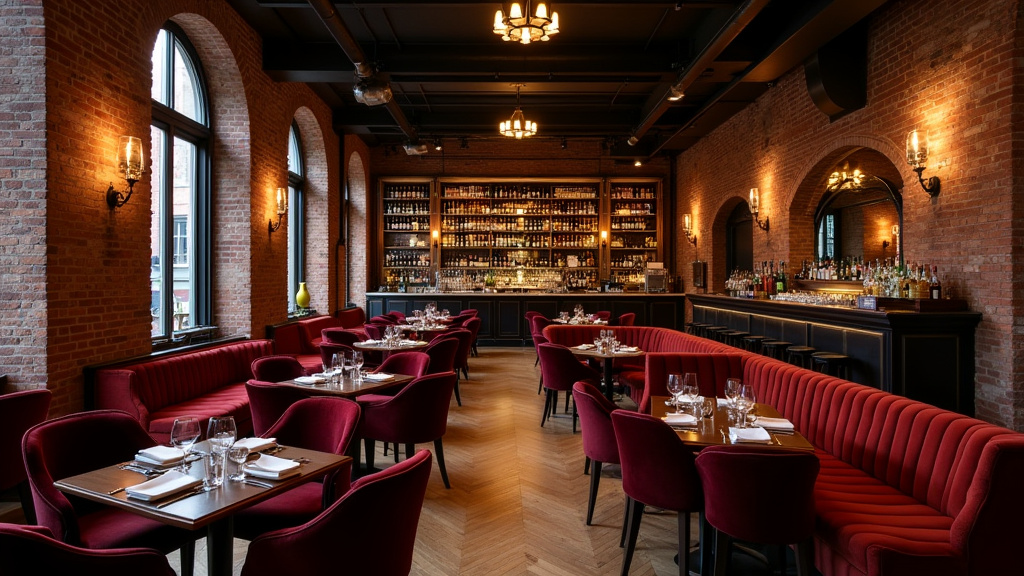
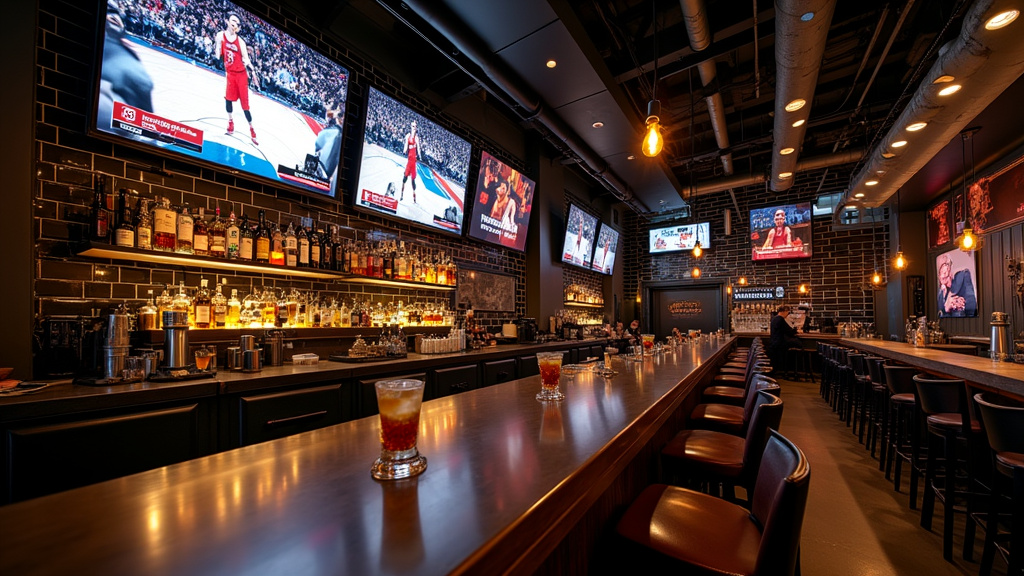
For Bublick and Carter, the transition to a flagship Evanston location represents the culmination of years of building the Soul & Smoke brand from a sought-after catering and quick-service operation into a full-scale dining experience. The Evanston site was chosen not only for its commercial potential but for its ability to house their vision of a community-centric restaurant. Every design element within the new restaurant has been intentional, moving away from the purely utilitarian setup of previous locations toward a space that invites patrons to linger, converse, and appreciate the local art integrated throughout the dining area.
The inclusion of art in the dining room is a deliberate choice. The owners wanted to bridge the gap between their food—which is deeply rooted in traditional Southern smokehouse techniques—and the contemporary art scene. By turning the restaurant into an informal gallery space, they are creating a platform for local artists to showcase their work, effectively transforming a dining establishment into a cultural anchor for the North Shore community.
Honoring Local History and Leon G. Robinson, Jr.
Perhaps the most compelling aspect of the new Evanston flagship is its connection to history. The site pays direct homage to Leon G. Robinson, Jr., a towering figure in the local business community. Robinson, known for his commitment to civic engagement and economic development in the Evanston area, left a legacy that Bublick and Carter were eager to preserve. Rather than erasing the history of the building, they have incorporated elements that acknowledge the contributions of those who paved the way.



This historical integration serves as a reminder that the restaurant’s presence is temporary in the grand scope of the building’s history, and they are essentially stewards of the space. This approach has resonated deeply with long-time Evanston residents who value the preservation of neighborhood identities. It serves as a stark contrast to more transient business models, positioning Soul & Smoke as a business interested in long-term legacy rather than short-term gains.
Culinary Excellence Meets Community Hub
While the atmosphere is designed to be contemplative and historic, the core of the business remains the food. D’Andre Carter’s culinary philosophy centers on slow-smoked meats that prioritize depth of flavor and texture. The Evanston flagship allows the team to experiment with a larger menu, incorporating expanded sides and seasonal offerings that reflect the market’s specific demands. The kitchen is designed with state-of-the-art smoking equipment that maintains the consistency of the original Soul & Smoke brand while facilitating higher volume throughput required for a flagship venue.
Secondary Angles: Exploring the Impact
1. The Economics of Cultural Integration
There is a notable economic angle to this expansion. By prioritizing aesthetics and historical resonance, Soul & Smoke is attempting to prove that premium-casual dining can thrive by positioning itself as a community destination rather than just a place to eat. This “third space” approach—a place that isn’t work or home—is essential in post-pandemic retail, where consumers are increasingly selective about where they spend their discretionary income.
2. The Role of the Restaurant as a Gallery
Traditional restaurants are often criticized for their sterile, chain-like environments. By partnering with local artists, Soul & Smoke is diversifying its brand identity. This symbiotic relationship provides artists with exposure while giving the restaurant a unique visual identity that cannot be replicated, creating a “moat” against competitors who rely on cookie-cutter decor.
3. Long-Term Neighborhood Stewardship
Bublick and Carter’s commitment to the building’s historical integrity reflects a growing trend in urban development: repurposing existing architecture to maintain city character. This strategy reduces the environmental impact of new construction and fosters goodwill with local preservationist groups, ensuring that the restaurant becomes a welcomed addition rather than a gentrifying force.
FAQ: People Also Ask
Q: What is the significance of the Evanston location for Soul & Smoke?
A: The Evanston flagship serves as a permanent, anchor location that allows the owners to scale their operations while maintaining a direct connection to the community, blending their brand identity with local history.
Q: How does the new restaurant incorporate local art?
A: The restaurant features a rotating collection of art curated from local creators, effectively turning the dining space into a semi-permanent gallery that highlights local cultural contributions.
Q: Who was Leon G. Robinson, Jr., and why is he mentioned?
A: Leon G. Robinson, Jr. was a prominent business and community leader in Evanston. The restaurant honors his legacy by integrating historical references to his work, ensuring the space remains connected to the neighborhood’s past.
Q: Does the menu change at the flagship location?
A: While the core Soul & Smoke menu remains intact, the flagship location offers an expanded range of sides and seasonal specials, utilizing improved kitchen facilities to offer a wider variety of dining options.