In a move that caught global markets and military observers by surprise, President Donald Trump has officially confirmed the cancellation of a massive planned strike against Iran, choosing instead to pivot toward a diplomatic resolution. The decision, reached just moments before potential engagement, marks a volatile turning point in U.S.-Iran relations, shifting the focus from reciprocal military escalations to a negotiation framework scheduled to begin this Monday. The primary objectives of this sudden de-escalation are the secure management of the Strait of Hormuz—the world’s most critical maritime oil chokepoint—and the pursuit of long-term denuclearization protocols for the Iranian regime. This decision follows a period of intense military buildup and serves as a significant departure from the previous “maximum pressure” campaign that characterized recent weeks.
Key Highlights
- The 10-Minute Call-Off: The planned retaliatory strike, designed to respond to the downing of a U.S. drone, was aborted approximately 10 minutes before impact.
- Casualty Proportionality: President Trump cited concerns over disproportionate casualties, noting an estimated 150 potential deaths as the primary driver for the cancellation.
- Strait of Hormuz Security: Negotiations commencing Monday will prioritize the safety of international shipping lanes, through which approximately 20% of the world’s petroleum passes.
- Diplomatic Pivot: The administration is moving away from immediate kinetic military action in favor of a diplomatic track, aimed at curbing Iran’s nuclear ambitions and regional aggression.
The Strategic Logic of the 10-Minute Pivot
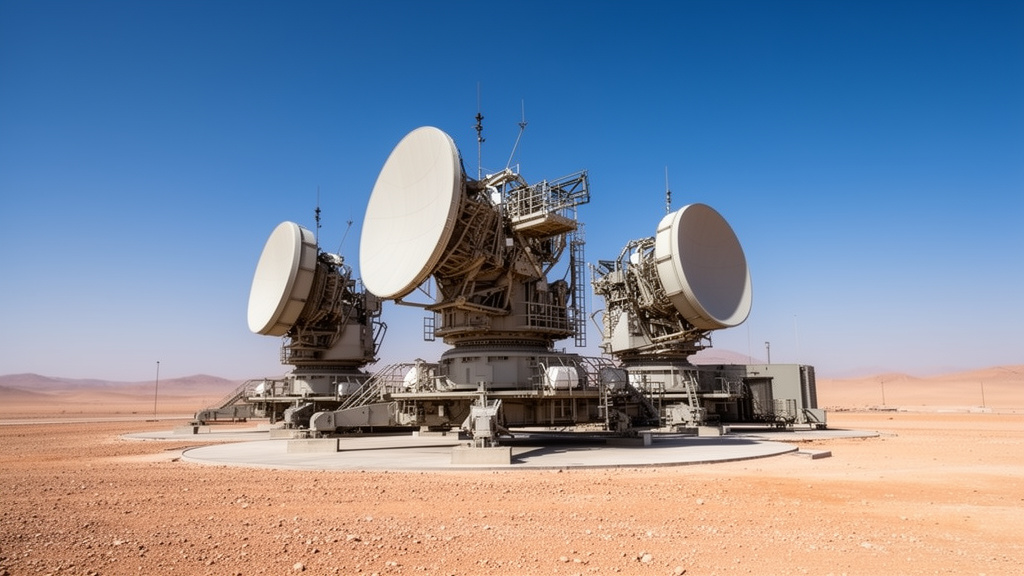
The decision to halt military operations against Iran represents one of the most significant “near-misses” in modern geopolitical history. According to accounts from within the administration, military commanders had identified specific radar sites and missile batteries as potential targets for a strike. The target selection was a direct response to the downing of a U.S. RQ-4 Global Hawk—an unmanned surveillance aircraft—over the Strait of Hormuz, an act that the Pentagon characterized as an “unprovoked attack” in international airspace. However, as the final “go” orders were being processed, President Trump sought clarification on the human cost of such a strike. Upon being informed by generals that a successful strike could result in the death of 150 Iranian nationals, the President determined the response was “not proportionate” to the loss of a drone.
This decision-making process highlights a fundamental shift in the U.S. approach to the region. While the “maximum pressure” campaign remains the core policy, the administration is clearly navigating the “red line” of kinetic warfare. By aborting the strike, the White House has effectively reset the escalatory clock, buying time to pursue what the administration frames as a “negotiated stability.” This creates a precarious diplomatic window, as both parties now face the immediate pressure of the Monday talks.
The Strait of Hormuz: A Global Chokepoint
The geography of the conflict is inextricably linked to the global economy. The Strait of Hormuz is not merely a strategic waterway for the Middle East; it is the jugular vein of the global energy market. Any sustained military conflict in this region carries the immediate risk of skyrocketing oil prices and the destabilization of energy-dependent economies in Asia and Europe.
By prioritizing the security of this Strait in the upcoming negotiations, the U.S. is signaling to its allies and adversaries alike that while it retains the capability to strike, its preference remains the maintenance of global commerce. The economic stakes are astronomical: any disruption here would likely trigger an immediate, systemic shock to crude oil supply chains. Consequently, the “Monday talks” serve as a vital pressure-relief valve for international markets that have been bracing for a potential blockade or a sustained conflict that could close the strait entirely.
From Kinetic Strikes to ‘Maximum Pressure’



Critics of the administration point out that the cancellation of the strike is an admission of the failures of the current “maximum pressure” campaign, which was designed to isolate Iran economically and force them to the table. Proponents, however, argue that the pivot is evidence of a disciplined, measured application of power.
This “controlled escalation” allows the U.S. to maintain a posture of strength while providing the Iranian leadership with an “off-ramp” to return to international norms. The core challenge for the negotiators starting Monday is to bridge the massive trust deficit that has accumulated over the last year. Iran’s denuclearization, the central demand of the U.S. policy, requires more than just the absence of war; it requires a durable, verifiable framework that both Tehran and Washington can sell to their respective political bases. For the U.S., this means proving that they can extract concessions without needing to fire a single shot.
The Diplomatic Horizon: What to Expect Monday
The upcoming negotiations on Monday represent the highest-stakes diplomatic engagement since the height of the 2015 JCPOA deliberations. The success of these talks hinges on several key entities and factors:
1. The Pentagon’s Role: U.S. Central Command (CENTCOM) will remain at a high state of readiness. Any diplomatic talk will be backed by the visible presence of naval assets in the region.
2. The Iranian Leadership: Tehran faces its own set of internal pressures, specifically regarding the ongoing economic strain caused by sanctions. Their willingness to engage will be the primary barometer of the success of the current U.S. strategy.
3. International Mediators: As the diplomatic process begins, secondary actors, including European signatories to the original nuclear deal, will likely attempt to influence the narrative, pushing for a de-escalation that preserves regional stability.
Ultimately, the situation remains fluid. The cancellation of the strike is not a permanent solution, but rather a temporary pause. The challenge for both sides is to ensure that this window of diplomacy is not merely a reprieve before a larger storm, but the start of a concrete, lasting framework for regional security.
FAQ: People Also Ask
Q: Why was the attack on Iran called off at the last minute?
A: President Trump cancelled the strike approximately 10 minutes before it was scheduled to occur. He stated that he halted the operation after learning that the estimated death toll of 150 people was “not proportionate” to the loss of an unmanned U.S. drone.
Q: What is the significance of the Strait of Hormuz in this conflict?
A: The Strait of Hormuz is one of the world’s most important “chokepoints” for energy, with nearly 20% of global petroleum passing through it daily. Its security is critical to global economic stability, and any military conflict in the region poses a severe threat to global oil prices.
Q: What is the goal of the talks scheduled for Monday?
A: The negotiations aim to establish a pathway for securing the Strait of Hormuz, ensuring safe passage for international vessels, and creating a framework to address Iran’s long-term denuclearization and regional ballistic missile programs.
Q: Does this mean the ‘maximum pressure’ campaign is over?
A: Not necessarily. While the U.S. has pivoted to diplomacy for the upcoming talks, the core “maximum pressure” strategy—including sanctions and regional military deterrence—remains active. The current situation is viewed as a tactical pause to test if diplomatic channels can achieve what sanctions have yet to deliver.