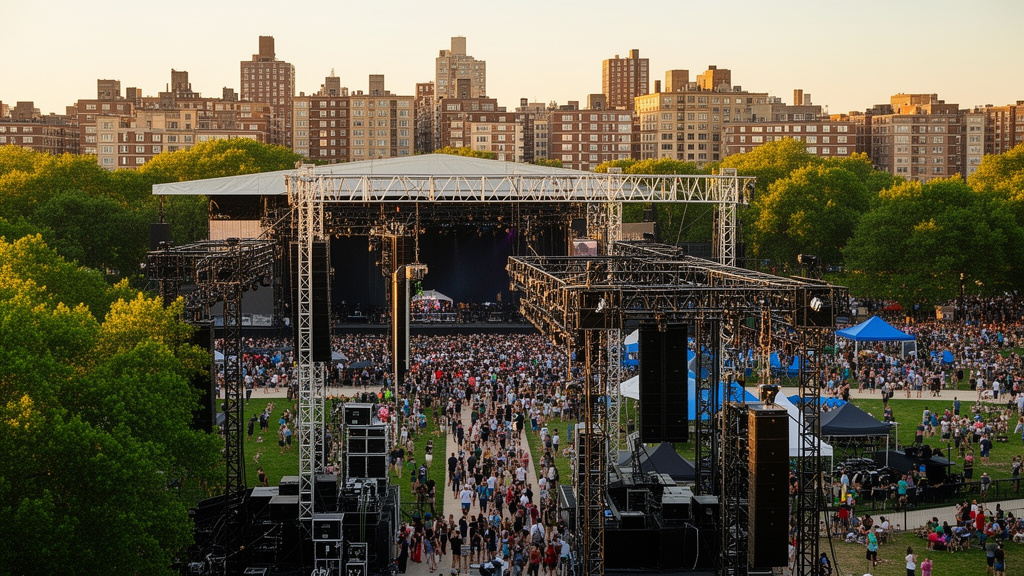
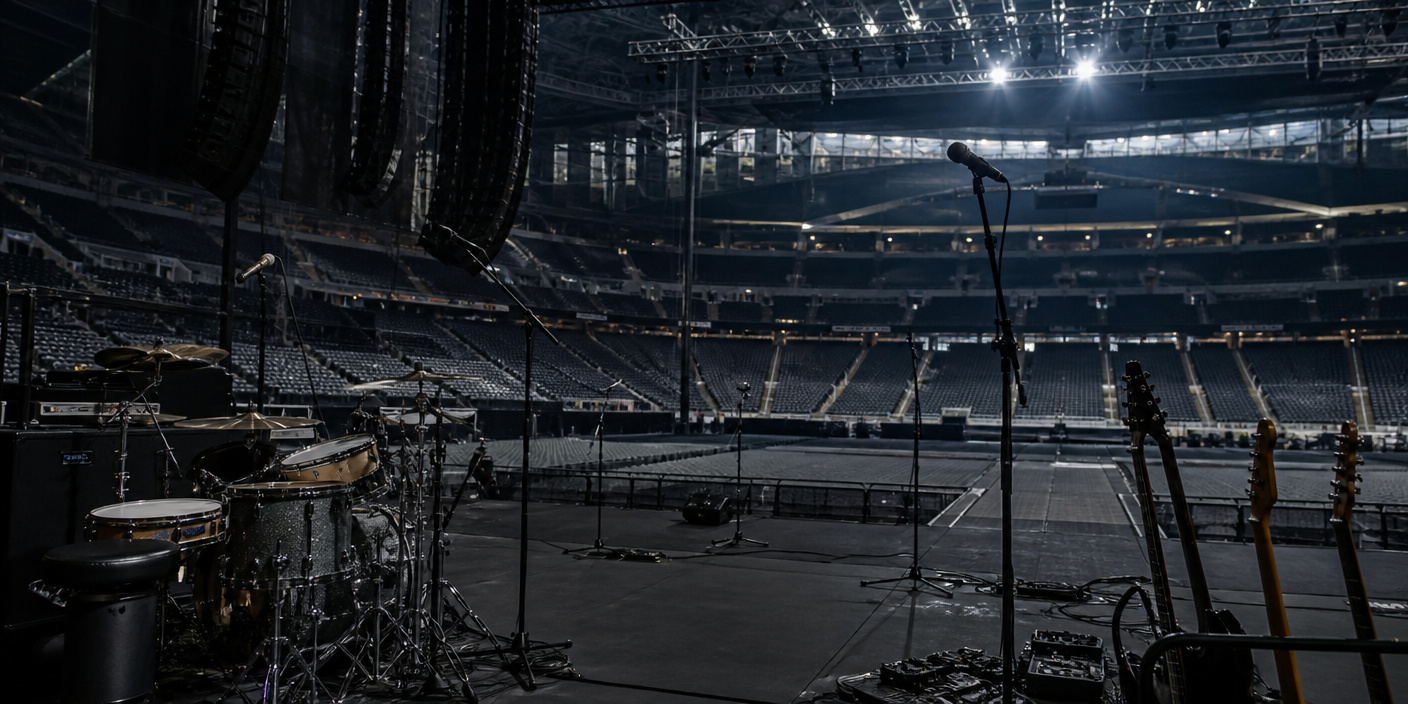
As Chicago prepares to host one of the world’s most anticipated music festivals, Metra has initiated a robust operational overhaul designed to move hundreds of thousands of attendees safely and efficiently. With Lollapalooza drawing massive crowds to Grant Park, the agency has deployed a specialized service plan that remains effective through August 2. This logistical effort is not merely about adding trains; it represents a complex synchronization of regional rail infrastructure, passenger safety, and demand management.
The Seven-Line Expansion



The core of Metra’s Lollapalooza strategy involves the strategic reinforcement of seven key rail lines: the UP-North, UP-Northwest, UP-West, Milwaukee District North, Milwaukee District West, SouthWest Service, and the BNSF. By adding extra trains and adjusting schedules on these corridors, Metra aims to alleviate the bottleneck effects typically seen at Chicago’s terminal stations. These additions are meticulously timed to align with the festival’s daily schedule, ensuring that commuters leaving the downtown area post-performance have viable alternatives to gridlocked traffic. The logistical challenge involves maintaining standard commuter service while integrating this surge capacity, a feat that requires precision timing and coordination across all regional dispatch centers.
Safety and Conduct: Why Alcohol and Bicycles are Restricted
The implementation of temporary restrictions—specifically the total ban on alcohol and the prohibition of bicycles on trains—is a calculated move to prioritize safety and maximize available floor space. During peak festival hours, train cars experience density levels that exceed typical daily averages. Allowing bicycles on trains during these periods would not only reduce the capacity for standing passengers but also present significant safety hazards in the event of an emergency evacuation or sudden movement. Similarly, the prohibition of alcohol is a long-standing policy during high-volume events. By removing alcohol, Metra mitigates potential behavioral issues that could compromise the safety of the commuting public and the transit staff, ensuring that the rail experience remains orderly despite the high-energy nature of the festival demographic.
Operational Logistics for High-Volume Transit
The mechanics of moving mass crowds require more than just extra rail cars; it requires intense inter-agency cooperation. Metra officials are working in tandem with the Chicago Transit Authority (CTA) and the Chicago Police Department to ensure that the transition from festival grounds to rail platforms is fluid. The agency’s dispatch team uses real-time data to monitor station density, allowing them to make split-second decisions about holding trains or adjusting boarding procedures. This operational flexibility is critical in preventing overcrowding on platforms, which remains a primary safety concern for transit planners.
The Broader Impact of Transit-Driven Event Logistics
Historical Context: Chicago’s Evolving Transit Infrastructure
The relationship between Chicago’s public transit and large-scale public events is deeply rooted in the city’s history. Decades ago, massive events often relied on private vehicle infrastructure, which frequently resulted in city-wide paralysis. Over the last twenty years, however, Metra and the CTA have shifted toward an integrated model where mass transit is treated as an essential utility for event management. This shift reflects a broader urban planning trend that recognizes high-density rail as the only viable solution for sustaining the economic vibrancy of a global city. By studying the historical response to previous Lollapaloozas and large-scale gatherings like the 1996 Democratic National Convention, transit authorities have refined their ability to predict demand spikes and proactively position equipment.
Economic Implications: Connectivity as a Financial Driver
There is a direct correlation between the efficiency of Metra’s service and the economic success of Lollapalooza. The festival serves as a massive revenue generator for the City of Chicago, bringing in millions in tourism, hospitality, and retail spending. When transit operates at peak efficiency, it removes the friction of attendance. If transportation were unreliable or unavailable, the catchment area for the festival would effectively shrink to the downtown core and immediate surrounding neighborhoods. Instead, Metra’s extended service allows the festival to draw from the entire Chicagoland region, expanding the potential audience and ensuring that the event remains accessible to a wide demographic, regardless of where they live in the metropolitan area.
Future Predictions: The Role of AI in Demand Forecasting
Looking ahead, the next frontier for transit agencies like Metra is the integration of predictive artificial intelligence in demand forecasting. While current adjustments are based on historical data and manual observation, the future points toward a model where AI analyzes ticket purchasing patterns, social media sentiment, and weather data to adjust train frequency in real-time. We are moving toward a ‘dynamic transit’ environment where supply constantly matches demand on a micro-scale. For events like Lollapalooza, this could mean that train schedules are not static but are instead fluid, adjusting to the exact moment thousands of fans exit the festival gates. As Metra continues to modernize its infrastructure, the integration of such technologies will likely be the deciding factor in how Chicago manages its status as a premier destination for global events.