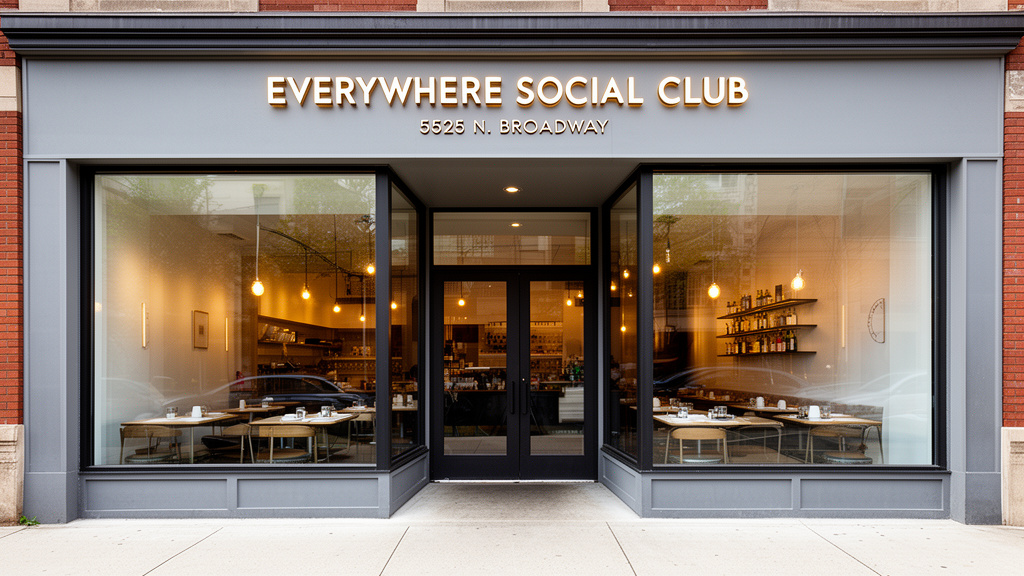
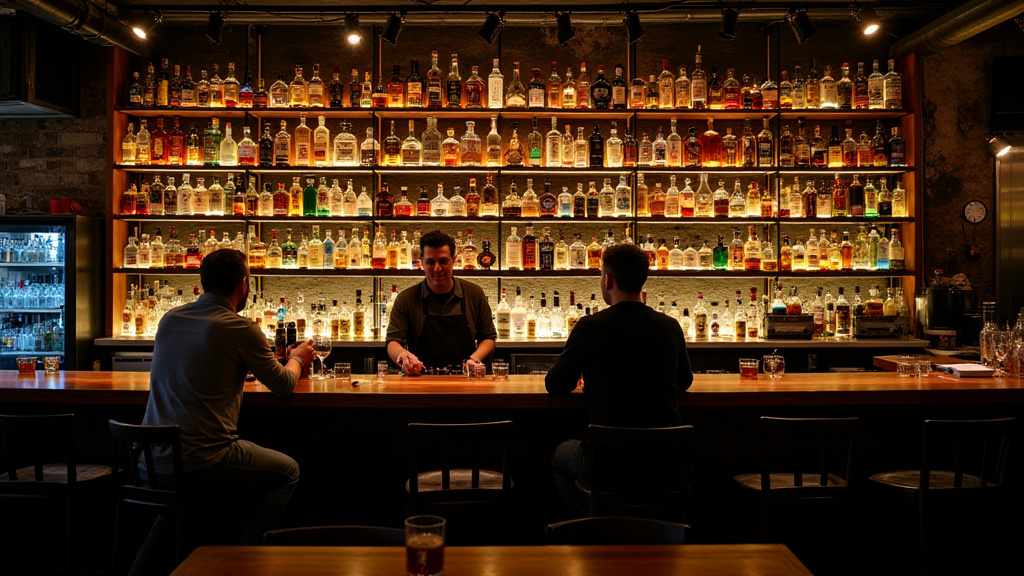
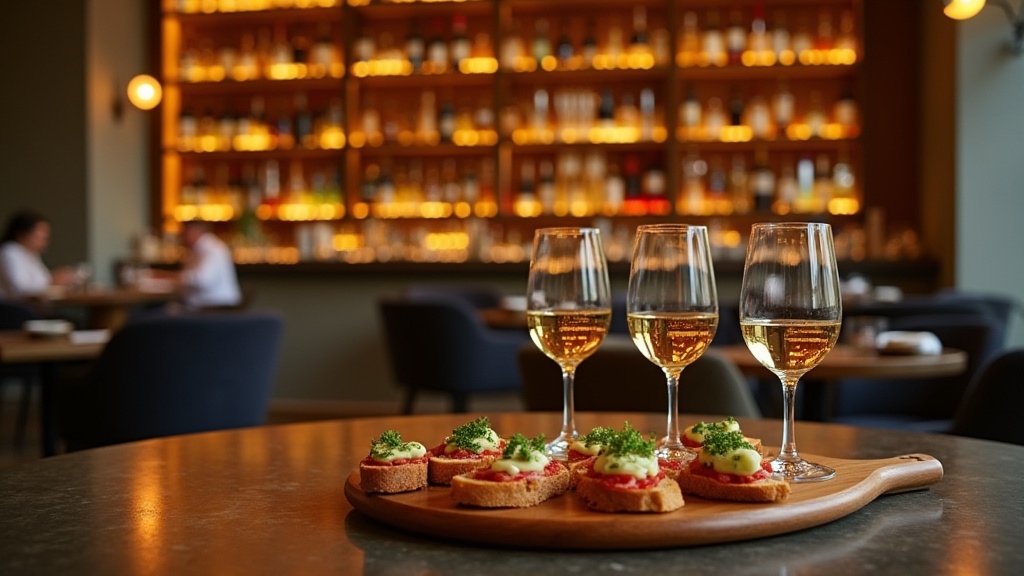
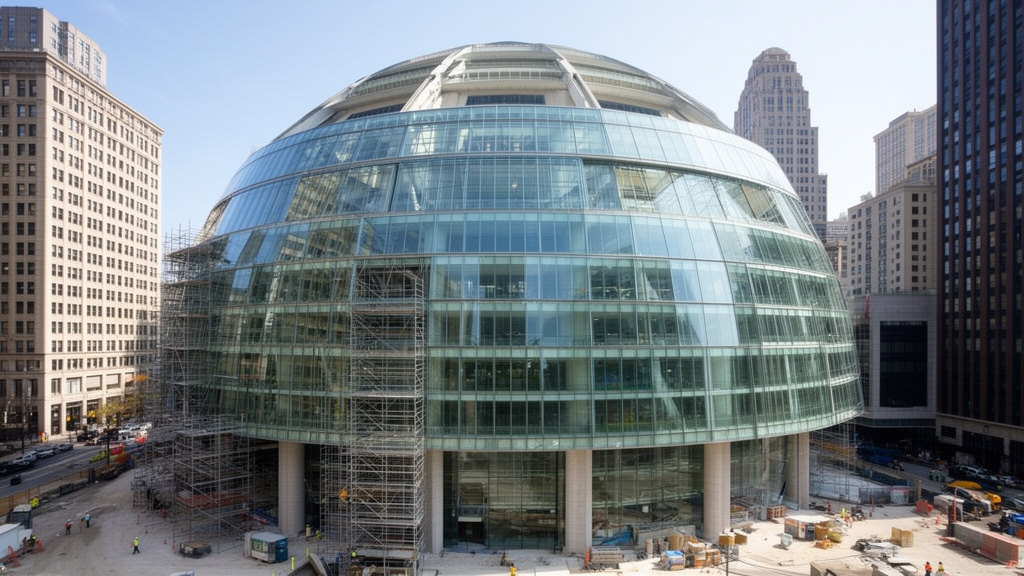
The Chicago Loop, once defined strictly by 9-to-5 office culture, is undergoing a profound metamorphosis in 2026. According to the latest roadmap released by the Chicago Loop Alliance, the downtown district is experiencing an aggressive influx of new hospitality and culinary ventures this summer. This strategic push to diversify the district’s offerings is successfully pivoting the Loop toward a 24/7 lifestyle hub, blending high-profile luxury dining with accessible, community-focused eateries that cater to both the long-standing professional workforce and the increasing number of downtown residents and tourists.
Key Highlights
- Strategic Expansion: The Chicago Loop Alliance’s 2026 roadmap prioritizes a mix of high-end establishments and casual dining to capture diverse market segments.
- Flagship Arrivals: The highly anticipated openings of Chicago Cut Steakhouse and The Ives represent a significant investment in the district’s evening luxury dining scene.
- Accessible Flavors: Casual, fan-favorite brands like The Jibarito Stop and Velvet Taco are integrating into the Loop, signaling a shift toward more vibrant, approachable street-level commerce.
- Economic Revitalization: These openings are not merely individual business launches but are part of a broader urban revitalization strategy aimed at maximizing foot traffic throughout the day and evening.
A New Chapter for the Chicago Loop: Redefining Downtown Vibrancy
The narrative of the Chicago Loop has long been tethered to its identity as the central business district. However, the data for 2026 suggests a fundamental shift in land use and consumer behavior. The recent roadmap from the Chicago Loop Alliance provides more than just a directory of new doors opening; it serves as a blueprint for the future of urban density. By aggressively recruiting a balance of high-profile dining and casual favorites, the district is effectively hedging against the post-pandemic fluctuation in office occupancy, replacing the missing transient worker population with a consistent influx of diners and leisure seekers.
Fine Dining Meets Casual Vibes: The Strategy of Diversity
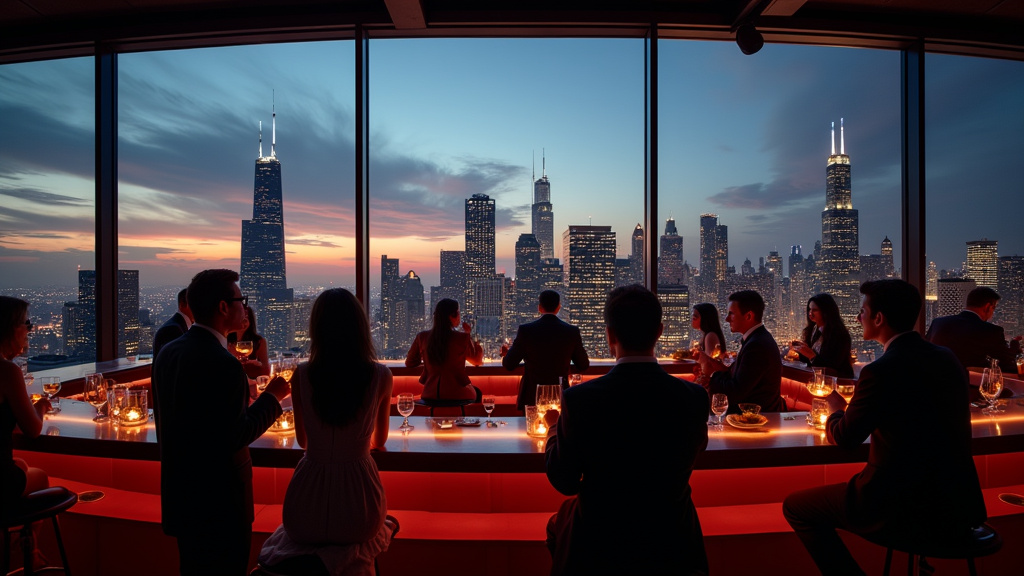
The selection of tenants in the current wave of openings is highly intentional. By welcoming established heavyweights like Chicago Cut Steakhouse, the Loop is cementing its reputation as a premiere destination for corporate deal-making and milestone celebrations. The Ives, another significant addition, is poised to capture the upscale evening crowd, offering an aesthetic and menu that contrasts with the traditional, often sterile, corporate dining environments of the past.
Crucially, the Alliance has recognized that a healthy urban district cannot survive on luxury alone. The arrival of The Jibarito Stop and Velvet Taco acts as a critical anchor for the casual market. These brands serve as ‘foot-traffic generators,’ designed to attract the younger demographic and residents who live in the burgeoning high-rise complexes surrounding State Street and Michigan Avenue. This tiered dining strategy—combining the prestige of fine dining with the daily utility of fast-casual options—is what analysts are calling the ‘Loop Equilibrium,’ a necessary step to ensure the district remains vibrant long after the clocks strike 5:00 PM.
Economic Ripples: Beyond the Plate
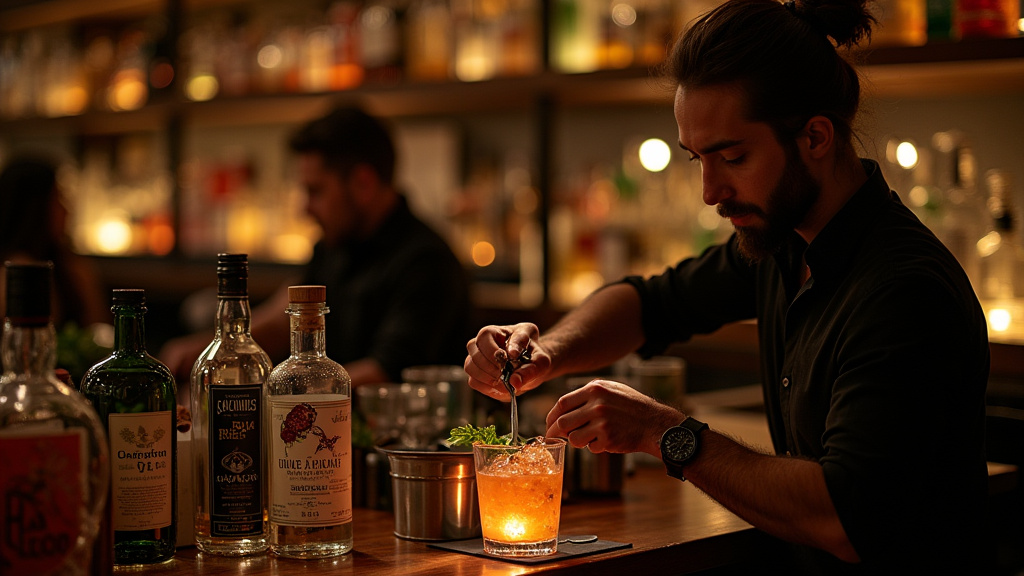
When a major restaurant opens in the Loop, the economic impact radiates outward. It isn’t just about the jobs created within these four walls; it is about the synergistic relationship these businesses share with the local real estate market. The presence of a destination restaurant often acts as a catalyst for retail adjacent to it. As these spaces fill up, the ‘desert zones’ that previously plagued sections of the Loop are receding. Commercial real estate brokers note that these hospitality anchors have increased the lease renewal rates for retail spaces within a two-block radius of the new openings.
The summer of 2026 serves as a testing ground for this model. Should these businesses hit their performance targets, the Chicago Loop Alliance has indicated that this could lead to further tax incentives and zoning adjustments to favor hospitality-focused development in vacant office floor plates. The move toward repurposing underutilized commercial space for kitchens and dining halls is a cost-effective alternative to residential conversion, providing an immediate return on investment for building owners.
Future-Proofing the Core: The Urban Evolution
Looking ahead, the goal for 2026 and beyond is to create a seamless experience for visitors. The Loop is moving away from the ‘island’ mentality, where the area was only accessible via public transit during work hours, toward a more integrated model. This includes improved street lighting, wider pedestrian pathways near these new eateries, and increased safety measures that align with the anticipated rise in evening patronage. The integration of high-profile dining is the first phase; the second phase will focus on entertainment and experiential retail that keeps patrons in the Loop for an entire night, rather than just a dinner reservation.
This evolution is a response to the changing demands of the modern consumer. Today’s urbanite expects an experience that is authentic and accessible. By bringing names like The Jibarito Stop—which brings a touch of local, Puerto Rican flair to the heart of the city—to the district, the Loop is finally reflecting the cultural diversity of Chicago as a whole. This is the ‘humanization’ of the city’s center, a vital step in ensuring that the Chicago Loop remains a competitive, attractive location for both capital investment and cultural engagement in the decade to come.
FAQ: People Also Ask
Q: What is the main goal of the Chicago Loop Alliance’s 2026 roadmap?
A: The primary goal is to diversify the district’s offerings by introducing a mix of high-end and casual dining to transition the Loop into a 24/7 lifestyle hub, reducing dependence on the traditional 9-to-5 office workforce.
Q: Why are restaurants like The Jibarito Stop being brought to the Loop?
A: These casual, fan-favorite brands are being introduced to generate consistent foot traffic and appeal to a younger, more diverse demographic, as well as the increasing number of permanent downtown residents.
Q: Are there plans for more than just restaurants in the 2026 roadmap?
A: While dining is the primary focus of this current summer wave, the Chicago Loop Alliance is concurrently analyzing the impact of these businesses on retail adjacent to them, with an eye toward further experiential entertainment opportunities.
Q: How do these new openings affect local real estate?
A: The new establishments act as ‘anchors’ that improve the value and lease renewal rates for retail spaces in the immediate vicinity, helping to reduce the number of vacant storefronts in the downtown area.