As the summer sun hits its zenith, Chicago transforms into a global epicenter for live performance, particularly during the critical week of July 22-28. This period represents the ‘Golden Window’ of the city’s entertainment calendar, where atmospheric outdoor venues, historic clubs, and sprawling festival grounds converge to create a unique acoustic ecosystem. For residents and visitors alike, navigating this week requires more than just checking tickets; it demands an understanding of the city’s shifting sonic geography. Whether you are seeking the curated, high-production spectacles at the Salt Shed or the raw, basement-level energy of the city’s legendary rock clubs, Chicago’s music scene between July 22 and July 28, 2026, serves as a masterclass in urban cultural vibrancy.
Outdoor Oases vs. Indoor Intimacy
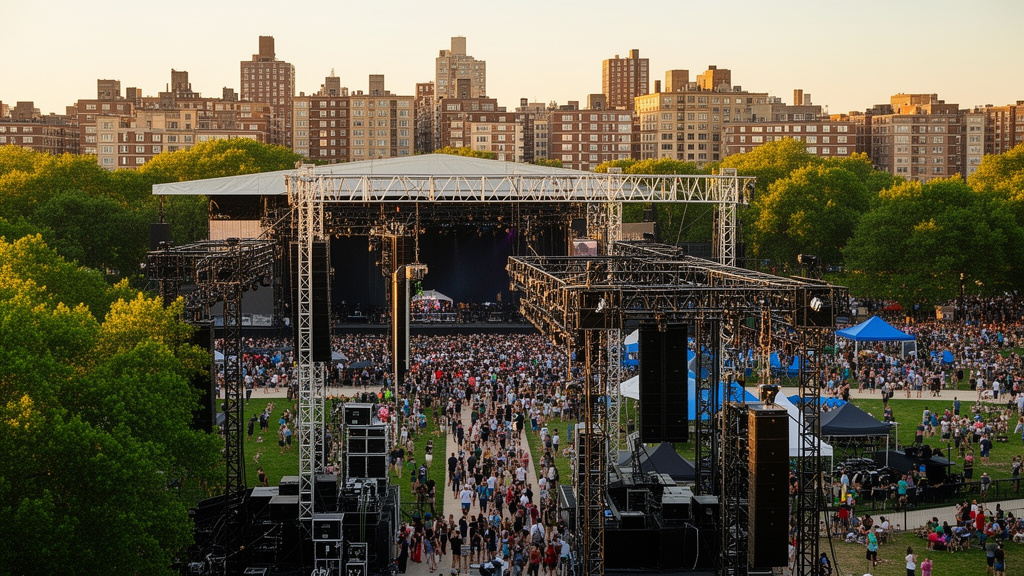
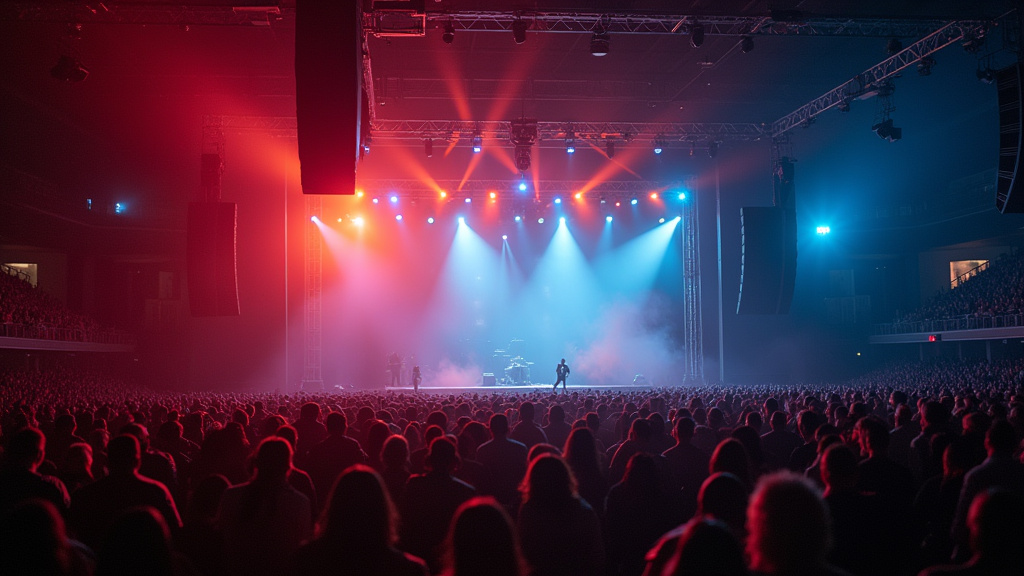
The dichotomy of Chicago’s live music scene is never more apparent than in late July. By the final full week of the month, the city’s weather profile—typically humid, warm, and unpredictable—pushes crowds toward the lakefront and the industrial corridors that have been reimagined as world-class music venues. The primary trend for the 2026 season is the dominance of the ‘Open-Air-Industrial’ aesthetic. Venues like The Salt Shed, situated along the Chicago River, have fundamentally changed how promoters book acts during this week. The venue’s ability to offer a massive outdoor stage against a backdrop of repurposed industrial architecture provides a sense of place that traditional arenas lack.
Conversely, the ‘Indoor Intimacy’ remains a cornerstone of the Chicago experience. Venues such as the Metro, located in Lakeview, and the Empty Bottle in Ukrainian Village, offer a stark contrast to the festival-style crowds. For the week of July 22-28, these venues often curate lineups that favor emerging alternative acts, experimental electronic artists, and legacy punk bands who prioritize sound quality over spectacle. If you find yourself gravitating toward these spaces, you are participating in a tradition that predates the modern festival boom, focusing on the sanctity of the artist-to-audience connection. The humidity of a Chicago July night often makes these packed, air-conditioned basements feel like sanctuaries, creating a localized energy that is impossible to replicate in the sprawling, open-air parks of the city.
The ‘Salt Shed’ Effect and Economic Impact
It is impossible to discuss the late-July concert landscape without addressing the economic gravity of the ‘Salt Shed Effect.’ Since its opening, the venue has acted as a catalyst for local business growth in the West Town and River West neighborhoods. During the week of July 22-28, we anticipate a localized economic surge—hotels, restaurants, and transit hubs report a significant uptick in activity correlated with high-profile residency shows at this specific location.
Beyond just ticket sales, the ripple effect extends to the hospitality sector. Data suggests that concert-goers in this week spend an average of 45% more on dining and pre-show hospitality compared to off-peak months. The strategic planning of shows during this specific July window is no accident; promoters leverage the influx of summer tourism to maximize capacity. As you plan your itinerary for this week, consider the logistics of the ‘festival-adjacent’ crowd. On nights when major headliners are playing at these larger outdoor venues, downtown traffic increases by nearly 20%, necessitating early arrivals and pre-booked transit. This is not just a week of music; it is a week where Chicago’s infrastructure is tested by the sheer volume of cultural participation.
Curating Your Week: Beyond the Headliners

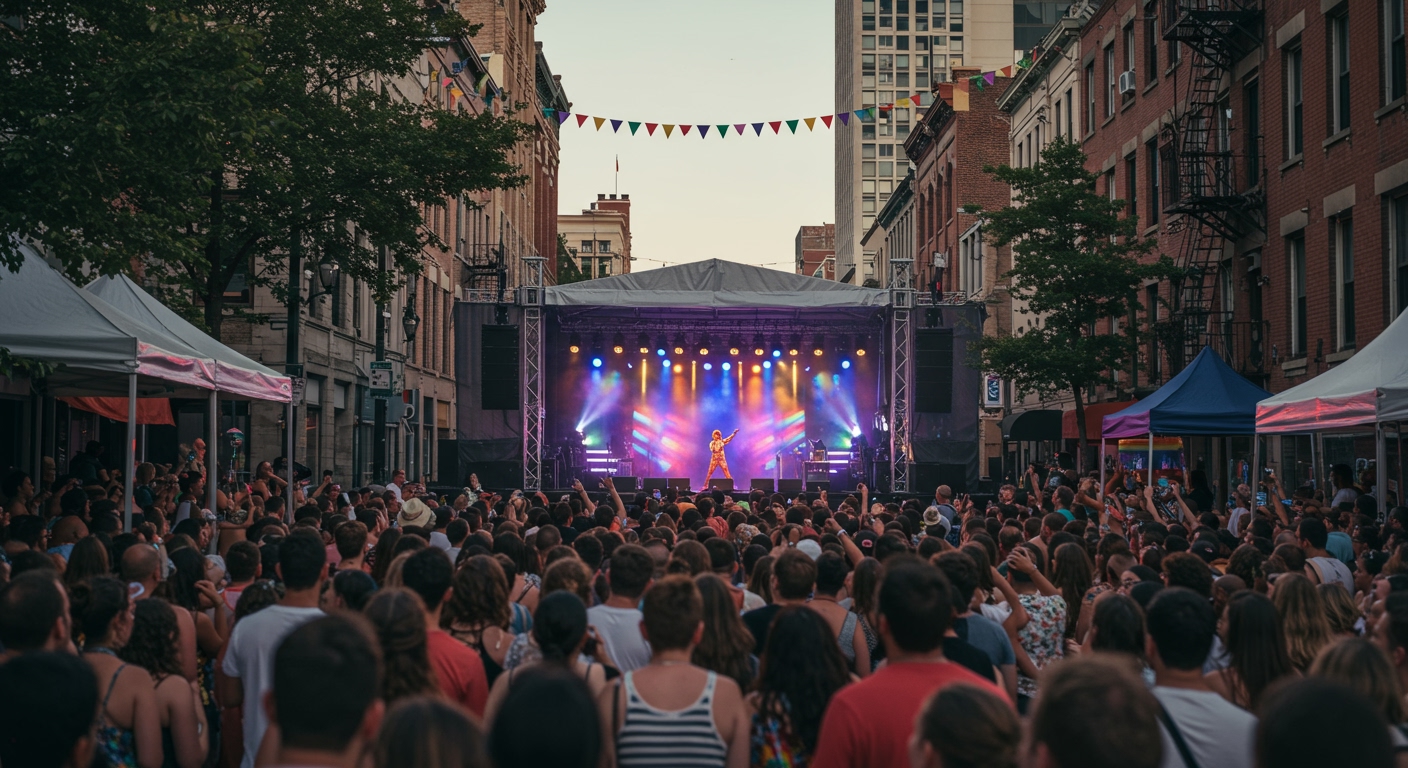

To truly experience the breadth of Chicago’s musical offering, one must look beyond the marquee names. The week of July 22-28 is characterized by a high volume of ‘fringe’ events—after-shows, impromptu jazz sessions at the Green Mill, and local showcases that define the city’s underground pulse.
1. The Jazz Persistence: The Green Mill, with its deep historical ties to the jazz era, remains the essential anchor for a late-night set during this week. It offers a cooling, low-light environment that acts as the perfect antidote to the high-intensity outdoor festivals.
2. The Genre-Blending Trend: 2026 has seen a distinct shift toward multi-genre nights. Promoters are increasingly moving away from homogenous lineups, instead pairing electronic producers with live instrumentalists. Watch for this trend at venues like Thalia Hall, where the architecture allows for nuanced soundscapes that support complex, layered performances.
3. The Importance of Planning: With high temperatures and high demand, the primary risk for concert-goers this week is logistical fatigue. Prioritize the venues that offer ‘all-day’ passes or multi-night residencies, as these allow for a deeper immersion into a single location’s culture without the need for constant, stressful transit across the city.
As we look at the late-July calendar, the overarching narrative is one of resilience and expansion. Chicago’s music scene is not merely surviving the heat of summer; it is thriving within it, utilizing the city’s unique blend of architectural heritage and modern production standards to deliver an unparalleled experience. Whether you are a long-time resident or a passing tourist, this week offers a snapshot of what makes Chicago arguably the most dynamic live music market in the United States today.
FAQ: People Also Ask
Q: What is the best way to handle transit during major concert weeks in July?
A: With increased road congestion, utilizing the CTA ‘L’ train system is highly recommended. Most major music venues, including the Salt Shed and Metro, are within walking distance of key transit hubs. Always check the CTA’s ‘Notify’ service for real-time delays on the night of your event.
Q: Are there significant differences in sound quality between Chicago’s outdoor and indoor venues?
A: Yes. Indoor venues like the Metro and Thalia Hall utilize controlled acoustics that favor crisp, detailed sound. Outdoor venues like the Salt Shed rely on massive line-array systems; while impressive, they are subject to wind and environmental factors. For audiophile-level experiences, prioritize indoor mid-sized venues.
Q: What is the ‘Gold Standard’ for a July concert night in Chicago?
A: A balanced itinerary usually includes an early evening dinner in the West Loop, a pre-show cocktail in the neighborhood of your venue to avoid downtown surge pricing, and utilizing public transit to ensure you aren’t trapped in gridlock following the end of the set.
Q: Do I need to purchase tickets in advance for shows during this specific week?
A: Absolutely. Because late July coincides with peak summer travel and festival season, high-demand shows often sell out weeks in advance. Third-party verified resale platforms are your best bet if you miss the initial drop, but avoid non-verified peer-to-peer exchanges to prevent fraud.