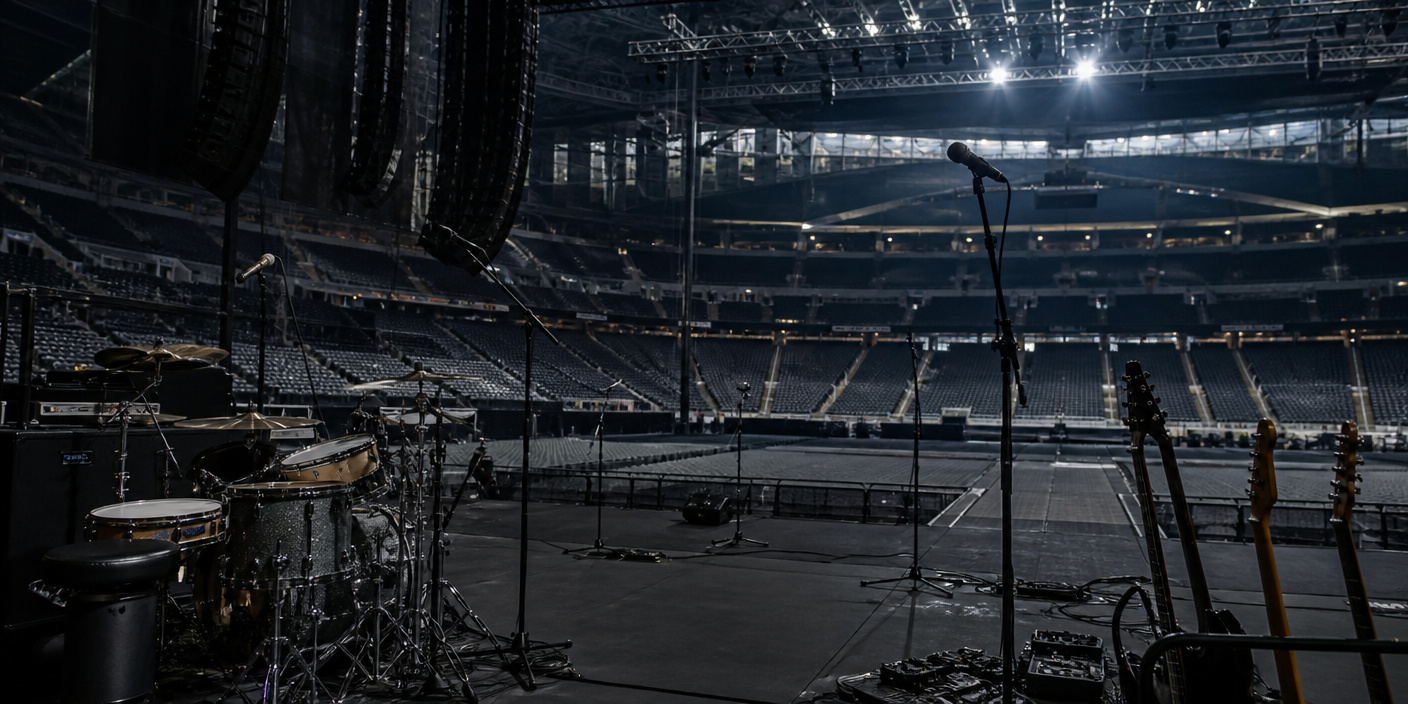
The 2026 AT&T WNBA All-Star Game transformed Chicago into the undeniable epicenter of women’s professional basketball. On July 25, the United Center—a venue synonymous with basketball royalty—played host to a spectacle that exceeded expectations, with fans flooding the arena to witness the league’s brightest stars compete in a high-octane offensive showcase. As the final buzzer sounded, the scoreboard read 129-122 in favor of Team Spoon, capping off a weekend that industry analysts are already citing as a benchmark for future WNBA All-Star events.
A Tactical Masterclass at the United Center



The gameplay itself was a masterclass in modern offensive efficiency. Team Spoon’s victory was not merely a product of talent but of strategic execution against a formidable Team Coop squad. Throughout the first half, the momentum oscillated rapidly, with both teams utilizing the open-court style typical of All-Star exhibitions to push the pace. However, it was Team Spoon’s transition defense and perimeter shooting accuracy in the fourth quarter that created the separation necessary to hold off a late-game surge from Team Coop.
The United Center provided a cavernous, electric atmosphere, with Chicago fans proving once again why the city is a premier basketball market. The energy was palpable from tip-off, reflecting the ‘absolutely buzzing’ sentiment that permeated the streets of Chicago throughout the weekend. The 129-122 final score stands as a testament to the offensive firepower currently dominating the WNBA, showcasing a league that continues to prioritize pace, spacing, and high-level skill execution over traditional, grinding half-court sets. The game was characterized by unselfish play, with both rosters recording high assist totals, underscoring the deep talent pool currently thriving within the league.
The Economic and Cultural Ripple Effects
Beyond the box score, the return of the WNBA All-Star Weekend to Chicago served as a significant economic stimulus for the city. Local hospitality, transportation, and retail sectors reported a marked uptick in activity, a direct correlation to the influx of fans traveling for the festivities. Hosting an event of this magnitude requires seamless collaboration between the WNBA, local municipal leaders, and the United Center’s operations team, and the success of this year’s execution has set a high bar for future host cities.
The ‘buzz’ described by attendees was not just about the game; it was about the cultural phenomenon surrounding the league. The All-Star Weekend acts as a launchpad for the WNBA’s commercial expansion, integrating brand activations with AT&T and other key partners that drive mainstream visibility. This event demonstrated that the WNBA has moved beyond niche status into a central pillar of American sports entertainment, drawing massive broadcast audiences and social media engagement numbers that rival the legacy sports leagues.
The Evolution of the WNBA All-Star Format
The 2026 format, which emphasized competitive integrity while maintaining the spirit of an exhibition, suggests a deliberate shift in how the WNBA constructs its marquee events. By focusing on distinct team identities—Team Spoon versus Team Coop—the league successfully built organic narratives that engaged casual viewers and die-hard fans alike. This rivalry-driven structure effectively channeled the competitive nature of the athletes into a product that felt meaningful rather than performative. As the league looks toward future seasons, the success of the Chicago weekend provides a blueprint: pair a historic basketball city with high-stakes production, and the results will naturally follow. The 129-122 scoreline wasn’t just a number; it was a statement about the current health and competitive trajectory of women’s professional basketball, proving that when you give these athletes the stage, they deliver performances that captivate a global audience.