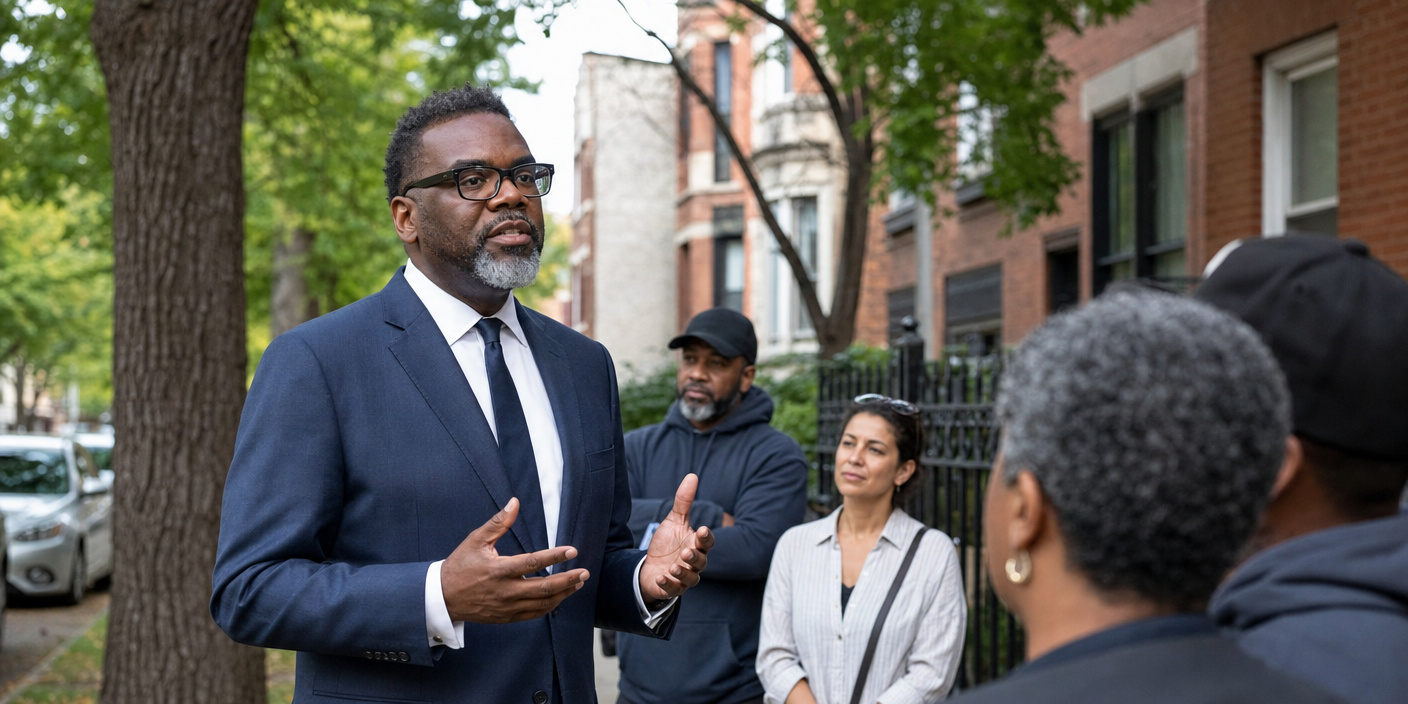
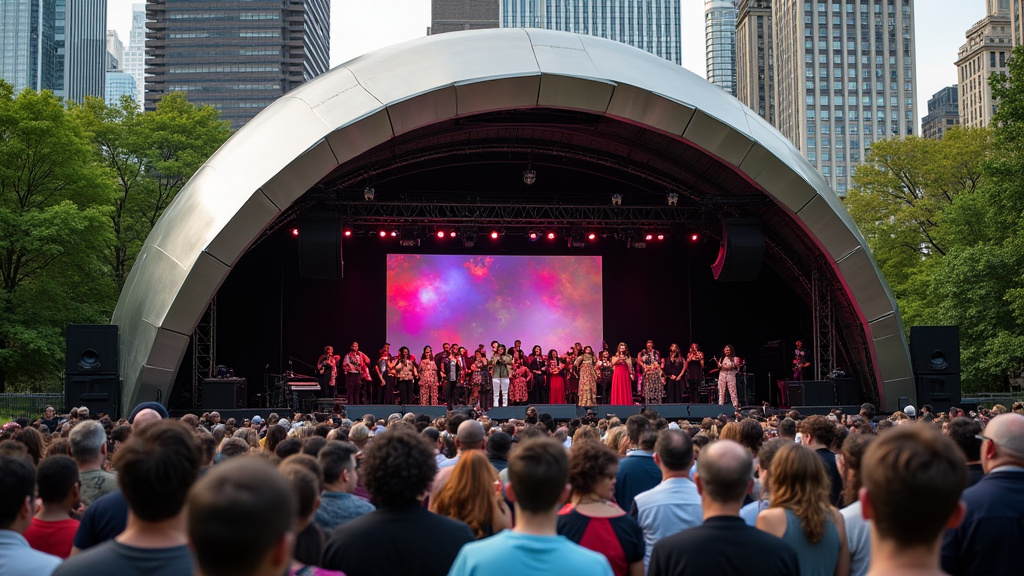
A group of Chicago-based thinkers convened for the second annual American Identity Summit, exploring complex questions surrounding national identity, cultural cohesion, and the future of the United States. The event brought together academics, policy experts, and concerned citizens to foster dialogue and propose solutions for a rapidly evolving society.
Key Highlights:
- Focused discussions on the evolving definition of American identity in the 21st century.
- Exploration of challenges to cultural unity and potential pathways forward.
- Sessions dedicated to the role of education and civic engagement in shaping national identity.
- Emphasis on constructive dialogue and collaborative problem-solving among diverse perspectives.
Navigating the Currents of American Identity
This year’s American Identity Summit, hosted in the vibrant city of Chicago, served as a crucial platform for candid conversations about what it means to be American today. The gathering, now in its second iteration, aimed to move beyond divisive rhetoric and foster a more nuanced understanding of the forces shaping the nation’s collective consciousness. Participants grappled with the inherent complexities of a diverse populace, seeking common ground and shared values amidst differing viewpoints.
The Evolving American Tapestry
The concept of American identity has always been a dynamic one, shaped by waves of immigration, technological advancements, and shifting social norms. This summit delved into how these factors are currently reshaping that tapestry. Discussions highlighted the tension between celebrating multiculturalism and forging a unified national narrative. Experts presented research on demographic shifts and their implications for social cohesion, emphasizing that understanding these trends is the first step toward effective policy.
Challenges to Unity and Pathways Forward




Several key challenges to American unity were brought to the forefront. Participants discussed the impact of political polarization, the spread of misinformation, and economic inequalities on the sense of shared belonging. However, the summit’s tone was resolutely forward-looking. Breakout sessions brainstormed actionable strategies for rebuilding trust and fostering a stronger sense of community. These included proposals for enhanced civic education programs, initiatives to promote intergroup dialogue, and policy recommendations aimed at addressing systemic disparities.
The Role of Education and Civic Engagement
A significant portion of the summit was dedicated to the critical role of education and active civic participation in shaping a healthy national identity. Educators shared innovative approaches to teaching American history and civics in a way that encourages critical thinking and an appreciation for democratic values. Policy analysts underscored the importance of creating accessible avenues for citizens to engage in their communities and in the political process. The consensus was that an informed and engaged citizenry is fundamental to navigating the complexities of modern American life.
Fostering Constructive Dialogue
Ultimately, the summit was characterized by a commitment to constructive dialogue. While disagreements were present, the environment was one of mutual respect and a shared desire to find common ground. Organizers emphasized that the goal was not to arrive at a single, monolithic definition of American identity, but rather to create a space where diverse perspectives could be heard and understood, paving the way for a more inclusive and resilient nation. The proceedings underscored that the ongoing conversation about American identity is not just an academic exercise but a vital component of the nation’s ongoing project of self-definition.
FAQ: People Also Ask
What is the primary goal of an American Identity Summit?
The primary goal is to foster dialogue and understanding around the multifaceted concept of American identity, exploring its historical evolution, contemporary challenges, and future trajectory. It aims to bring together diverse voices to discuss issues of national unity, cultural cohesion, and shared values.
How has the definition of American identity changed over time?
Historically, American identity has evolved significantly, moving from a predominantly Anglo-Protestant ideal to a more inclusive, albeit still contested, understanding that embraces diverse ethnicities, religions, and cultural backgrounds. Each wave of immigration and major social movement has contributed to this ongoing redefinition.
What are some key challenges facing American identity today?
Key challenges include increasing political polarization, the influence of social media and misinformation on public discourse, economic inequality, and the complexities of integrating a rapidly diversifying population into a cohesive national narrative.
How can education contribute to a stronger sense of national identity?
Education can play a vital role by teaching a comprehensive and critical understanding of American history, civics, and diverse cultural contributions. It can foster skills in reasoned debate, promote empathy, and encourage active participation in democratic processes, thereby strengthening a shared sense of belonging and civic responsibility.
What is the significance of hosting such a summit in Chicago?
Chicago, known for its rich immigrant history and diverse population, serves as a microcosm of the broader American experience. Hosting the summit in such a city provides a relevant and dynamic backdrop for discussions on national identity, reflecting the nation’s ongoing demographic and cultural evolution.