Intensified Israeli airstrikes overnight in Lebanon have forced residents to flee their homes, while humanitarian organizations face continued restrictions in delivering aid to the Gaza Strip, the United Nations reported on Tuesday. The dual crises underscore the escalating regional tensions and dire humanitarian situations impacting civilians.
Key Highlights:
- Israeli airstrikes in Lebanon prompt civilian displacement.
- Humanitarian aid access to Gaza remains severely restricted.
- The United Nations highlights ongoing challenges in both regions.
- The situation indicates a broader escalation of regional conflict.
Escalating Conflict and Displacement in the North
The latest round of intensified Israeli airstrikes on Lebanon has once again triggered a wave of displacement, forcing residents to seek safety away from their homes. This renewed aerial bombardment, occurring overnight, signals a significant escalation in hostilities along the Israeli-Lebanese border. The specifics of the targets and the scale of the damage are still emerging, but the immediate impact is clear: a new wave of fear and displacement among the civilian population in southern Lebanon. This development is occurring against a backdrop of already heightened regional tensions, suggesting a potential spillover or widening of the conflict.
Humanitarian Access Crisis in Gaza
Simultaneously, the humanitarian situation in the Gaza Strip continues to be precarious, with aid organizations reporting persistent and severe restrictions on bringing essential supplies into the enclave. The United Nations has repeatedly voiced concerns over the limited access, which hinders the delivery of food, water, medicine, and other critical relief items to a population already suffering from the effects of prolonged conflict. These restrictions not only exacerbate the existing humanitarian crisis but also raise serious questions about compliance with international humanitarian law. The inability to consistently access Gaza for aid delivery is a critical bottleneck, deepening the suffering of civilians.
Regional Instability and International Concern



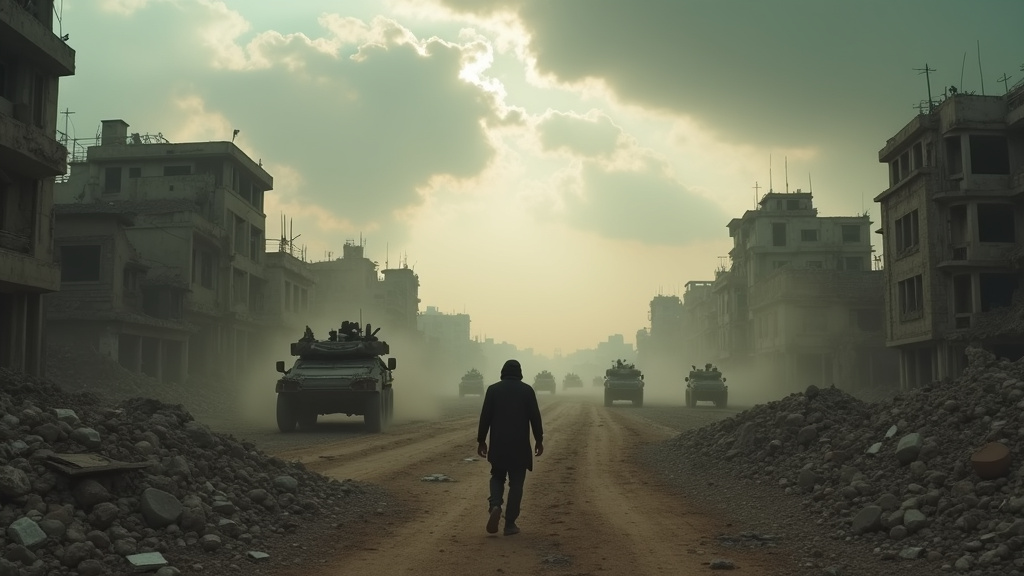
The convergence of these two critical situations—escalating conflict in Lebanon and the ongoing humanitarian crisis in Gaza—is drawing significant international attention. The United Nations, as a key international body, is attempting to mediate and highlight the urgent need for de-escalation and unimpeded humanitarian access. The intertwined nature of these events suggests a complex geopolitical dynamic, with implications for regional stability. The international community faces the dual challenge of addressing the immediate humanitarian needs and working towards a sustainable resolution to the underlying conflicts.
Historical Context and Precedents
This escalation is not occurring in a vacuum. Decades of conflict in the region have created deep-seated grievances and volatile security landscapes. Past rounds of hostilities have often seen similar patterns of airstrikes and humanitarian challenges, yet the current intensity and the specific circumstances surrounding the Gaza aid blockade present a particularly acute phase. Understanding the historical trajectory of the Israeli-Palestinian conflict and the broader Israeli-Lebanese relations provides crucial context for analyzing the current events and their potential long-term ramifications.
Economic and Social Ramifications
The ongoing conflict and displacement have profound economic and social consequences for the affected populations. In Lebanon, the renewed airstrikes and potential for wider conflict disrupt livelihoods, damage infrastructure, and strain already limited national resources. In Gaza, the severe restrictions on aid and the ongoing blockade cripple the economy, leading to widespread unemployment, poverty, and a dependence on international assistance. The long-term social fabric of these communities is also at risk, with trauma and loss impacting generations.
Future Outlook and Diplomatic Efforts
The immediate future remains uncertain, hinging on de-escalation efforts and the effectiveness of diplomatic channels. The ability of international bodies like the United Nations to facilitate dialogue and ensure humanitarian access will be critical. Without a significant shift towards de-escalation and a commitment to addressing the root causes of the conflict, the cycle of violence and humanitarian suffering is likely to persist, with potentially broader regional implications. The international community’s sustained engagement and pressure for a peaceful resolution are paramount.
FAQ: People Also Ask
What is causing the intensified Israeli airstrikes in Lebanon?
While specific operational details are often not immediately disclosed, intensified strikes typically follow perceived security threats or retaliatory actions along the border. The current escalation suggests a significant increase in cross-border activity or a strategic decision to target specific assets or individuals in Lebanon.
Why is humanitarian aid access to Gaza restricted?
Restrictions on humanitarian aid to Gaza are a complex issue often cited by Israel as being for security reasons, to prevent the diversion of materials by militant groups. However, humanitarian organizations and the UN frequently contest these reasons, highlighting the severe impact on civilians and calling for unimpeded access based on international humanitarian principles.
What is the role of the United Nations in this situation?
The UN plays a crucial role in monitoring the situation, advocating for civilian protection, coordinating humanitarian assistance, and attempting to mediate de-escalation. UN agencies are often on the ground, providing essential services and documenting the impact of the conflict on the civilian population.
How many people have been displaced by the recent strikes in Lebanon?
Exact figures on displacement are often dynamic and may take time to be officially confirmed. However, reports indicate that ‘people’ have been forced to flee their homes, suggesting a significant and ongoing displacement event in affected areas of Lebanon.
What are the main concerns regarding humanitarian aid in Gaza?
The primary concerns revolve around the volume, consistency, and types of aid that are allowed into Gaza. Aid groups report that the current level of access is insufficient to meet the vast humanitarian needs of the population, and that critical items like medical supplies and fuel are frequently denied or delayed.