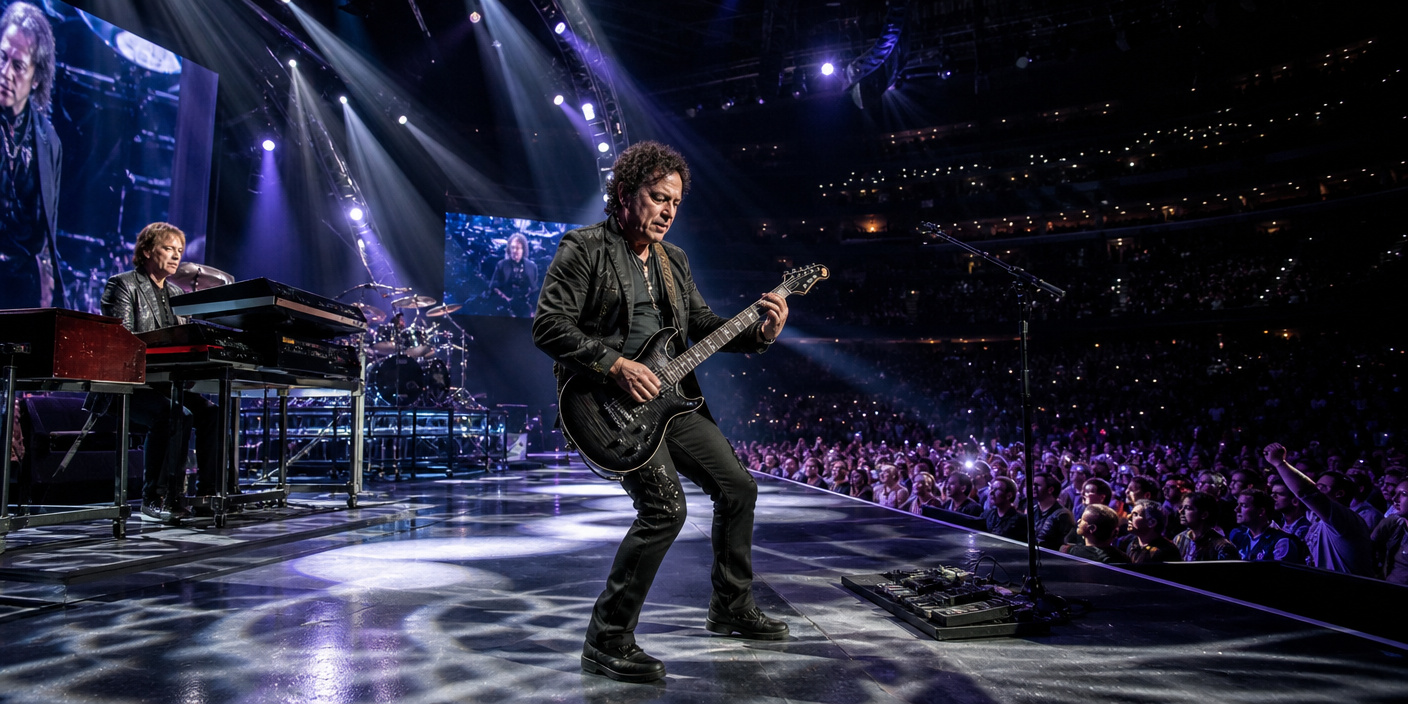
Chicago’s vibrant nightlife is experiencing a notable evolution in 2026, marked by a decisive shift from sprawling, large-capacity venues to more intimate settings that foster unique musical and experiential offerings. This trend signifies a move towards a more curated and community-focused entertainment landscape. The city’s established entertainment hubs are increasingly seeing a rise in smaller clubs, lounges, and pop-up event series that cater to niche audiences and diverse artistic expressions. These intimate spaces are providing fertile ground for a wider array of music genres, from underground electronic and jazz to experimental live performances, moving beyond the conventional mainstream acts. This focus on diversity extends to the overall experience, with many venues emphasizing interactive elements, local artistry, and a more personal connection between performers and patrons.
The Rise of the Intimate Experience
The economic realities and evolving consumer preferences have propelled this transition. Larger venues often struggle with high overhead costs and the challenge of consistently filling a vast space, especially in a post-pandemic world where preferences lean towards exclusivity and personalized engagement. Smaller venues, on the other hand, can offer a more controlled and intimate atmosphere, allowing for greater flexibility in programming and a more dedicated following. This shift is evident in the resurgence of classic Chicago music scenes, with an increased emphasis on house, techno, and live jazz in more boutique settings. For instance, events like the Chicago Electronic Music Conference (CEMC) are exploring themes such as “AI’s impact on creative workflows, Chicago’s musical legacy, the nightlife economy, and the future of the industry,” highlighting a forward-thinking approach to the evolving entertainment sector. The conference itself, held at the historic Ramova Theatre, underscores the blending of new ideas with established cultural spaces.
Diverse Music and Community Focus

This pivot is not just about size; it’s about the quality and diversity of the experience. Venues are increasingly curating lineups that reflect the city’s rich cultural tapestry, offering platforms for emerging artists and genre-bending performances. Events that previously might have been overlooked in larger venues are now finding dedicated audiences in these smaller, more agile spaces. The “Do Not Disturb” event series, for example, transforms iconic locations into immersive, high-energy nights with live bands, DJs, and performers, blending cinematic environments with sophisticated party atmospheres. This focus on creating a distinct mood and soundtrack for each event speaks to the demand for more engaging and memorable nightlife experiences. The closure of some large-scale venues, like Huburon and Joy District, further illustrates this trend, making way for smaller, thriving rooms.
Economic Impact and Sustainability
The economic implications of this shift are significant. While independent music venues contribute billions to Chicago’s economy, many operate on thin margins. The move towards smaller, more specialized venues might offer a more sustainable model, relying on dedicated fan bases and unique offerings rather than mass appeal. New spaces like “The CheckOut,” a unique venue in a former 7-Eleven, aim to fill gaps in the music scene with diverse programming ranging from chamber music to album listening parties, all while keeping ticket prices accessible. Furthermore, the emergence of new and renovated event spaces, such as the Hyatt Centric Chicago Magnificent Mile and the intimate sushi concept SHŌ Omakase, cater to a variety of needs, from corporate events to private gatherings, reflecting a diversified approach to Chicago’s hospitality offerings.
Preserving Authenticity and Community
Amidst this evolution, there’s a strong emphasis on preserving the authentic character of Chicago’s nightlife. Venues like The Hideout, which recently underwent a ownership transition, are committed to maintaining their independent, creative, and community-rooted spirit, ensuring that the soul of the place remains with the people who fill it. This commitment to community and authenticity is a driving force behind the success of smaller, more intimate venues, which can foster deeper connections among patrons and artists alike. The focus is on creating spaces where diverse communities can gather, connect, and experience something unique, reinforcing Chicago’s status as a dynamic and evolving cultural hub.
FAQ: People Also Ask
Q1: What is the main trend in Chicago’s nightlife in 2026?
A1: The primary trend is a shift from large venues to smaller, more intimate spaces that focus on diverse music genres and unique, curated experiences. This reflects a move towards more personalized entertainment and community engagement.
Q2: How are independent music venues contributing to Chicago’s economy?
A2: Independent live music venues in Chicago generate billions in annual economic output, support thousands of jobs, and contribute significantly to tax revenue, acting as crucial economic and cultural anchors for the city.
Q3: What kind of music is gaining popularity in Chicago’s smaller nightlife venues?
A3: Smaller venues are increasingly showcasing diverse genres such as underground electronic music, jazz, experimental live performances, house, and techno, moving beyond mainstream acts to cater to niche audiences and eclectic tastes.