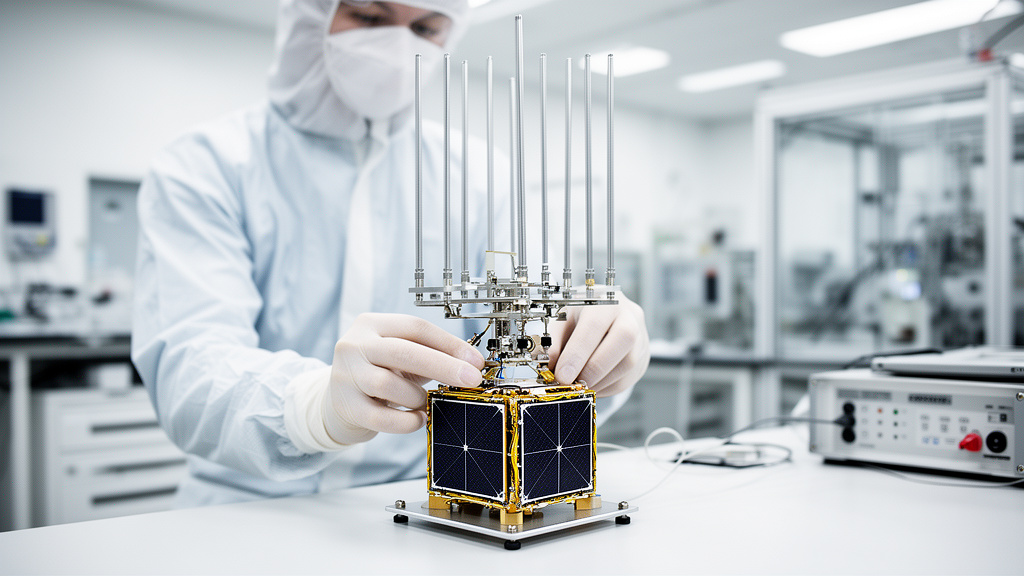
LOS ANGELES — Travis Kalanick, the polarizing visionary who built Uber into a global titan, officially ended his hiatus from the public spotlight today with the launch of Atoms. Describing the move as a return to his roots in “bits and atoms,” Kalanick revealed that his secretive real estate and ghost-kitchen holding company, City Storage Systems, has been rebranded and restructured into a comprehensive industrial robotics firm. The announcement, punctuated by the defiant statement “I never left,” signals a massive pivot from mere food delivery infrastructure toward the total automation of heavy industry, including mining, logistics, and food production.
The Deep Dive
For nearly a decade, the tech world has wondered what Travis Kalanick was building behind the closed doors of his secretive Los Angeles headquarters. Today, the veil was finally lifted. Atoms is not just a new company; it is an ambitious architectural overhaul of how physical tasks are performed in the modern economy. By integrating his existing CloudKitchens network into a broader robotics framework, Kalanick is betting that the future of profit lies in “gainfully employed robots” that handle the dangerous, repetitive, and expensive tasks of the physical world.
From Ghost Kitchens to “Wheelbases”
The core innovation at the heart of Atoms is a standardized mobility platform Kalanick calls a “wheelbase for robots.” Rather than attempting to mimic the human form—an endeavor Kalanick dismissed as inefficient for industrial use—Atoms has developed a modular chassis equipped with advanced sensors, compute power, and power management.



This “robotic skateboard” can be outfitted with various payloads: a specialized cooking suite for the Atoms Food division, heavy-duty hauling equipment for Atoms Mining, or autonomous delivery pods for Atoms Transport. The goal is to create a universal hardware standard that allows companies to deploy automation as easily as one might download an app on a smartphone.
The Pronto Acquisition and the Levandowski Reunion
Perhaps the most shocking detail of the launch is the news that Atoms is acquiring Pronto, the autonomous driving startup founded by Anthony Levandowski. The move reunites Kalanick with the brilliant but embattled engineer whose previous collaboration at Uber sparked a landmark legal battle with Google’s Waymo.
By folding Pronto’s off-road autonomous technology into Atoms, Kalanick is securing a proven software stack designed for the harsh environments of mining and construction sites. This synergy suggests that Atoms is positioning itself to dominate “private road” autonomy, where regulatory hurdles are lower and the economic incentives for removing human drivers from hazardous environments are immediate and immense.
The Philosophy of “I Never Left”
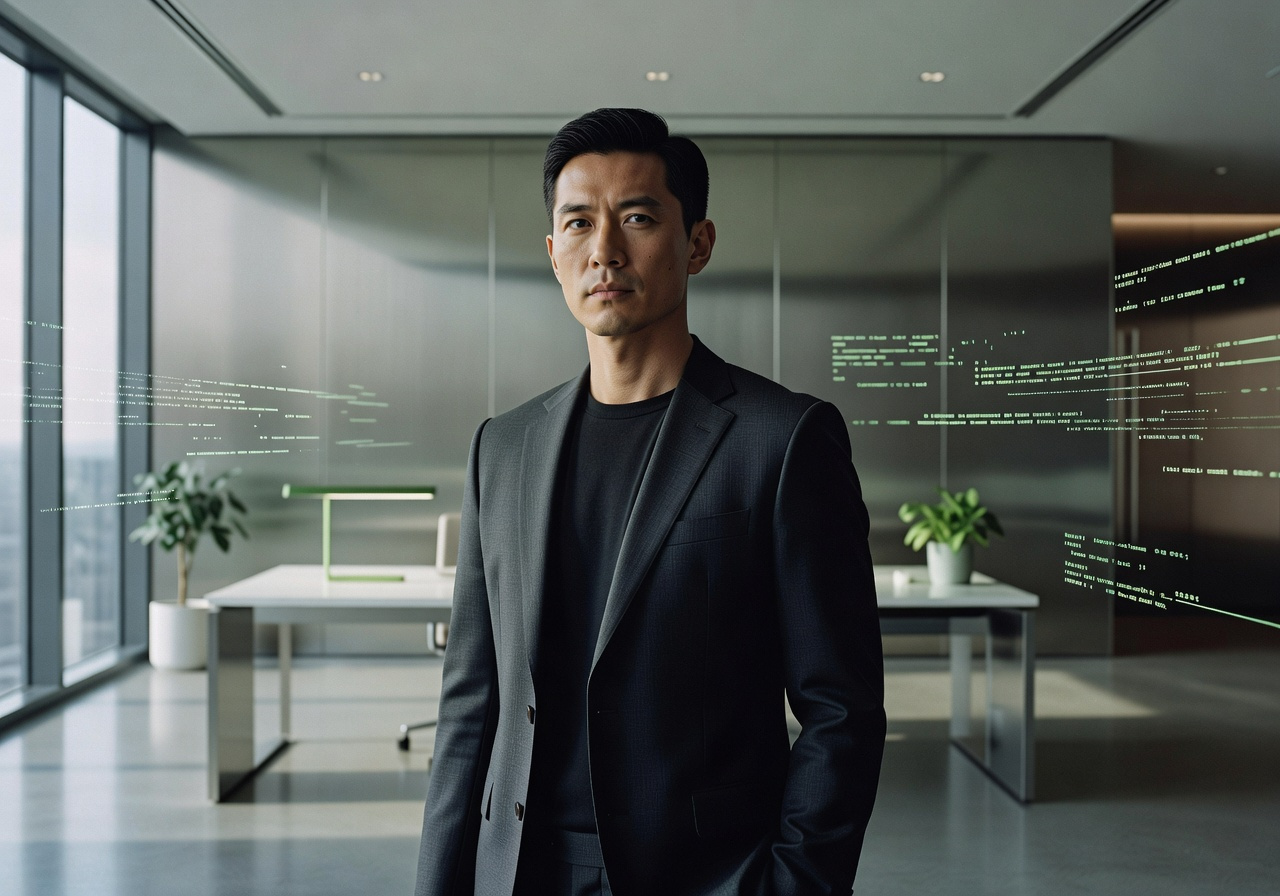
During a livestreamed appearance on the tech talk show TBPN, Kalanick addressed the common perception that he had been in exile since his departure from Uber in 2017. “When I told my friends and family I was ‘coming back,’ they were excited,” Kalanick noted with a wry smile. “The thing is, I never left. We’ve been building in stealth for eight years. We have thousands of employees who weren’t even allowed to put the company name on their LinkedIn. Today, we’re just finally putting a name on the building.”
This long-term stealth strategy allowed Kalanick to build a massive footprint—reportedly including thousands of real estate assets and a fleet of proprietary kitchen robots—without the scrutiny of public markets or the noise of the typical Silicon Valley hype cycle. Now, with a fully realized product line and a significant employee base, Atoms enters the market not as a startup, but as an immediate industrial heavyweight.
FAQ: People Also Ask
Q: Is CloudKitchens going away?
No. CloudKitchens is being rebranded and integrated as the “Atoms Food” division. The underlying ghost-kitchen infrastructure will now serve as a primary testbed for the company’s new automated food-prep robotics.
Q: Why did Travis Kalanick choose the name Atoms?
The name reflects Kalanick’s long-standing philosophy that the most valuable technology is that which bridges the gap between digital “bits” and physical “atoms.” It is a nod to the original branding concepts he explored during his final years at Uber.
Q: What makes Atoms different from Tesla’s Optimus or other humanoid robots?
Kalanick has been explicit that Atoms will not build humanoid robots. He argues that specialized, purpose-built robots—such as those built on the Atoms “wheelbase”—are more durable, cost-effective, and efficient for industrial tasks in mining and transport than bipedal machines.