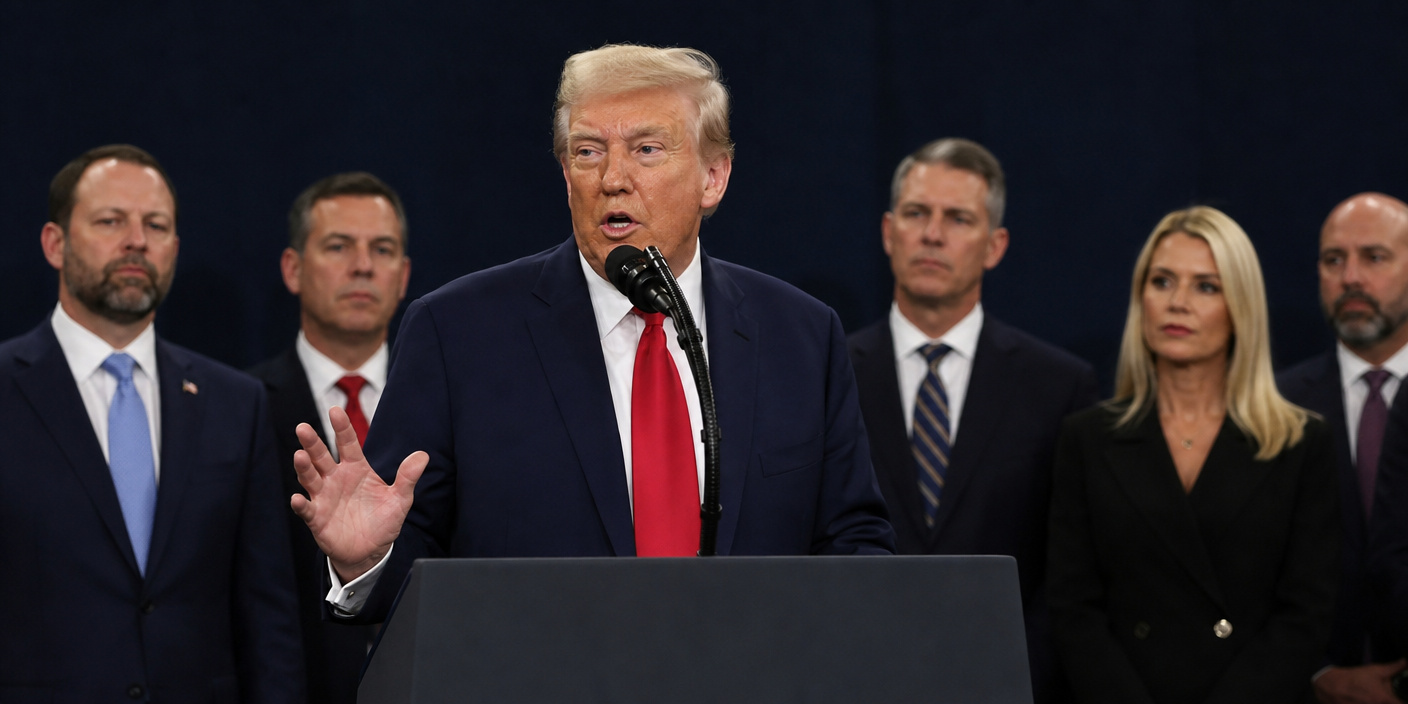
On March 13, 2026, the United States finds itself at a chilling rhetorical crossroads. Following an interview with Fox News anchor Maria Bartiromo, White House Press Secretary Karoline Leavitt has refused to definitively rule out the return of military conscription. When pressed on whether the expanding conflict in the Middle East might necessitate a draft, Leavitt replied that while it isn’t part of the “current plan,” the administration “wisely keeps its options on the table.” This viral admission has sent shockwaves through social media, prompting a level of national anxiety not seen since the Vietnam era, as American forces remain engaged in a high-stakes campaign against Iran.
The Deep Dive
The Quote Heard ‘Round the World
The firestorm began during a Sunday morning broadcast when Maria Bartiromo questioned the sustainability of the current all-volunteer force in the face of a multi-theater conflict. The specific phrasing—that military conscription remains an “option to keep on the table”—was interpreted by critics as a monumental shift in U.S. defense policy. For over fifty years, the U.S. has relied on a volunteer model, but the pressure of Operation Epic Fury has clearly strained military recruitment and retention metrics. Leavitt’s refusal to shut down the speculation immediately has been labeled by some political analysts as an “unforced error” that risks alienating the administration’s younger base.
Operation Epic Fury and the Recruitment Crisis
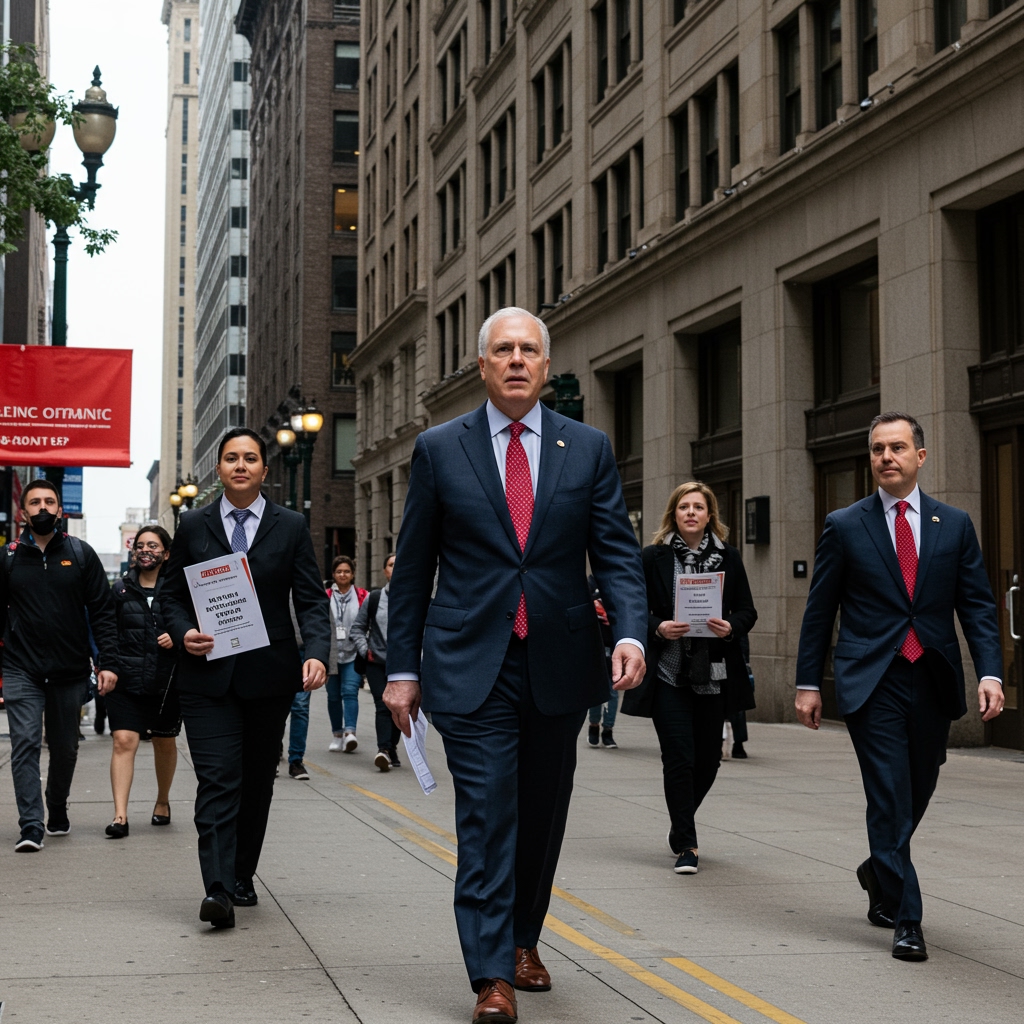



The context for this sudden talk of the draft is the escalating war with Iran. Since the joint U.S.-Israeli strikes began in late February 2026, American casualties have, fortunately, remained relatively low, but the scale of the engagement is massive. With 1.3 million active-duty members currently stretched across the globe, the Pentagon is facing what many describe as a “math problem.” Internal reports suggest that if the conflict evolves into a prolonged ground occupation, the current numbers simply will not suffice. This reality has forced the administration to pivot from its staunch anti-interventionist campaign promises to a more pragmatic—and controversial—defense posture.
The Legal and Legislative Hurdle
Despite the viral headlines, the reality of a draft is legally complex. Under the Military Selective Service Act, the President does not have the unilateral authority to induct citizens into the armed forces. Such a move would require a new Act of Congress and the signature of the President. However, the machinery for this process has been quietly modernized. The 2025 and 2026 versions of the NDAA featured heated debates over “automatic registration,” a provision designed to streamline the Selective Service database using federal data. While the most aggressive versions of these bills were purportedly stalled, the infrastructure for a rapid call-to-arms is more robust today than it was even two years ago.
Public Backlash and the Generation Z Reaction
The response from the public has been swift and overwhelmingly negative. On platforms like TikTok and X, the hashtag #NoDraft2026 has trended globally, with young men and their parents expressing disbelief at the administration’s ambiguity. Political opponents have seized on the moment, accusing the White House of preparing to “conscript the youth for a war of choice.” Even within the President’s own party, there is division; some argue that maintaining the “threat” of a draft is a necessary deterrent to adversaries, while others fear it is a political suicide mission ahead of the upcoming midterms.
FAQ: People Also Ask
Is there an active military draft in the U.S. right now?
No. The United States continues to operate as an all-volunteer force. While men aged 18-25 are required to register with the Selective Service System, this is a contingency registration, not an active call to service.
Can the President bring back the draft with an Executive Order?
No. Reinstating the draft requires a specific legislative action passed by both the House of Representatives and the Senate, which must then be signed into law by the President.
Who would be eligible if a draft were reinstated?
Historically, the draft has targeted men aged 18 to 25. Recent legislative proposals have suggested expanding this to include women for the sake of “gender equity” in national defense, though no such law has been finalized as of March 2026.