The U.S. Supreme Court has blocked President Trump’s attempt to deploy the Trump National Guard to Chicago, a significant setback for his administration’s approach to presidential authority. This Supreme Court ruling curbs the President’s power to use federalized troops domestically. The court’s unsigned order upheld lower court rulings that had already halted the Trump National Guard deployment, impacting federal troops and immigration enforcement.
Background to the Trump National Guard Deployment in Illinois
The Trump administration sought to send the Trump National Guard. The goal was to bolster immigration enforcement and protect federal personnel and property. The administration cited unrest and protests, claiming federal agents faced threats and describing the situation in Chicago as an emergency. This move followed similar deployments elsewhere, as Trump had previously sent troops to cities like Portland and Los Angeles. Many local and state leaders opposed these actions, viewing them as an overreach. Illinois officials, in particular, filed an Illinois lawsuit to stop the Trump National Guard deployment.
Legal Challenges Emerge Regarding Trump National Guard Authority
Illinois and the city of Chicago filed a lawsuit, arguing the President lacked legal authority for the Trump National Guard deployment. Trump invoked a federal law that allows for federalizing the Guard during an invasion or rebellion, or if federal forces cannot execute laws. The state argued these conditions were not met, claiming protests did not constitute a rebellion and federal civil power was still functioning. U.S. District Judge April Perry agreed, issuing an order blocking the Trump National Guard deployment. The U.S. Court of Appeals for the 7th Circuit largely upheld her decision, finding insufficient evidence that protest actions threatened government authority. The administration appealed these rulings, asking the Supreme Court to intervene on the matter of presidential authority.
Supreme Court’s Ruling on Trump National Guard Deployment
The Supreme Court declined the administration’s request, and in an unsigned order, the justices did not allow the Trump National Guard deployment. The court stated the government failed to show the authority permitting the military to execute laws in Illinois. This Supreme Court ruling came at a preliminary stage, meaning troops remain blocked and litigation will continue in lower courts. Three conservative justices dissented, while Justice Kavanaugh filed a separate concurrence. The court’s decision is a significant development, limiting Trump’s broad claims of presidential authority and representing a rare loss for the administration at the Supreme Court. The outcome of this legal challenge could influence other similar cases, such as potential challenges in Portland. Some troops previously sent to Chicago and Portland were sent home, while others remained on standby, indicating the complex nature of National Guard deployment.
Reactions and Implications of the Trump National Guard Decision
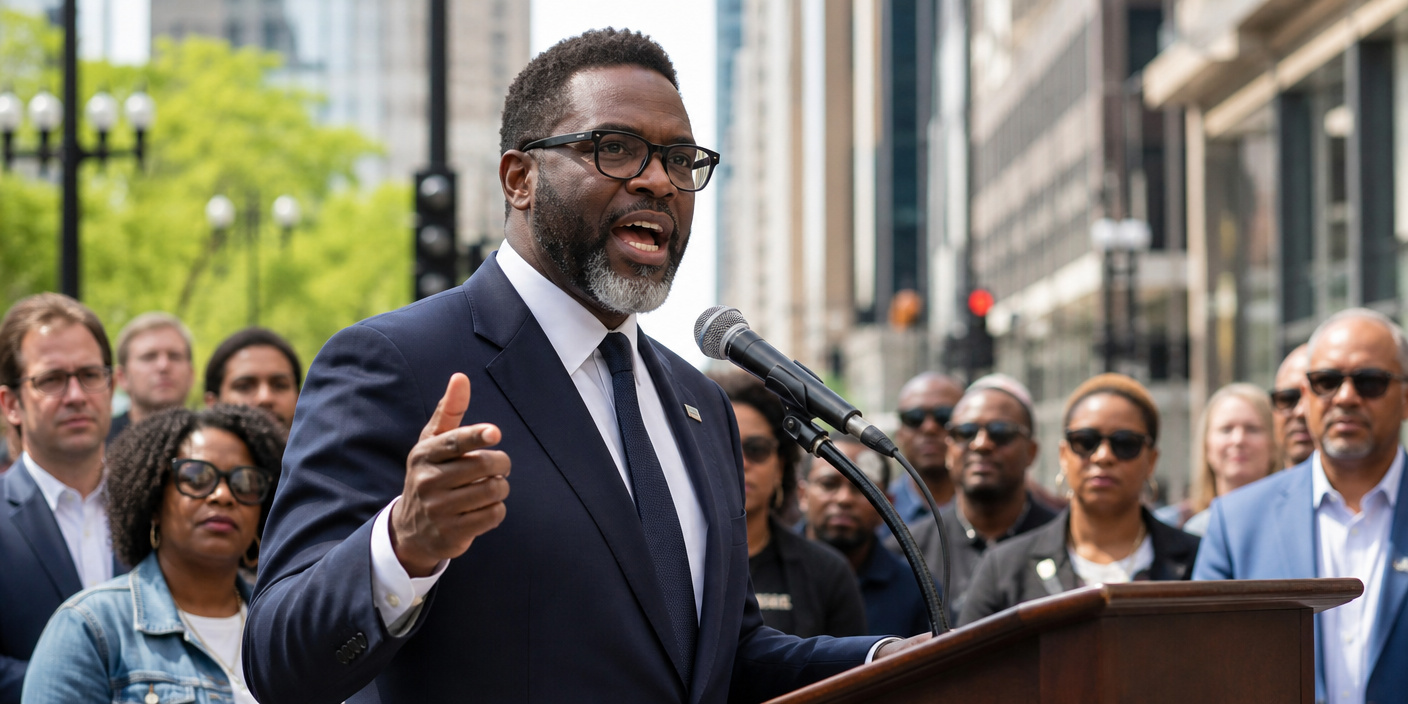
Illinois Governor JB Pritzker called the ruling a win for Illinois and democracy. Chicago Mayor Brandon Johnson praised the court, seeing it as a rebuke of Trump’s actions. White House officials defended the President’s agenda, stating the Guard was activated to protect officers and prevent property destruction. The Supreme Court ruling does not definitively end the legal debate, and the case could return to the Supreme Court. For now, the Trump National Guard deployment remains blocked. This legal battle highlights tensions between federal vs state authority, and the President’s power to deploy the National Guard is under scrutiny. This development is a key headline in national discourse. The use of federal troops domestically is a sensitive issue, and the court’s decision provides a temporary check, reinforcing the need for clear legal justification for National Guard deployment. The future of such deployments remains uncertain.