The fashion industry, once heralded for finally embracing a diverse spectrum of body sizes, appears to be experiencing a sudden, sharp reversal. For years, the ‘body positivity’ movement pushed brands to expand size ranges and feature more diverse models. However, the meteoric rise of GLP-1 receptor agonists—widely known by brand names like Ozempic and Wegovy—has introduced a new, polarizing variable to the aesthetic equation. As these medications shift societal norms toward a preference for thinner figures, the high-fashion world is recalibrating, leaving inclusivity advocates and industry critics wondering if the progress made over the last decade is effectively being erased by a syringe.
Key Highlights
- The GLP-1 Effect: The widespread availability of weight-loss medication is shifting the cultural gaze back toward ‘heroin chic’ and ultra-thin silhouettes, complicating the fashion industry’s recent commitments to inclusivity.
- Economic Backslide: Brands facing production and inventory costs are finding it easier to revert to sample-size-centric manufacturing, leveraging the current cultural zeitgeist to justify the shift.
- Academic Critique: Recent coverage from institutions like Columbia College Chicago highlights how this shift represents a deeper struggle between genuine body autonomy and the relentless, profit-driven nature of trend cycles.
- The Inclusivity Plateau: While runway diversity remains a talking point, industry data suggests a cooling of enthusiasm for extended sizing campaigns among major luxury houses.
The Great Aesthetic Reversal: How Pharmaceuticals Reshaped Style
The narrative of fashion in the 2020s was initially defined by an attempt at radical inclusivity. Models of all sizes graced runways, and ‘extended sizing’ became a marketing buzzword for brands attempting to court the average consumer. Yet, the current discourse suggests this momentum has hit a structural wall. The emergence of Ozempic as a lifestyle drug has fundamentally altered the ‘ideal’ body type in the media, and fashion—a industry driven by the pursuit of the unattainable—has been quick to pivot.
The Resurgence of ‘Heroin Chic’
Before the current GLP-1 boom, fashion critics were already observing a return to the skeletal aesthetics of the late 1990s. This resurgence, often termed ‘heroin chic’ by cultural commentators, prioritized concave stomachs and sharp collarbones. When weight-loss medications entered the mainstream, they provided the mechanism for this aesthetic to become physically achievable for the wealthy, effectively ‘validating’ the return to extreme thinness. The fashion industry, which historically operates in cycles of 20-year intervals, found a technological shortcut to recreate the Y2K aesthetic, leaving curvy models and the body positivity movement struggling to find a place in the new paradigm.
Economic Incentives and Production Constraints


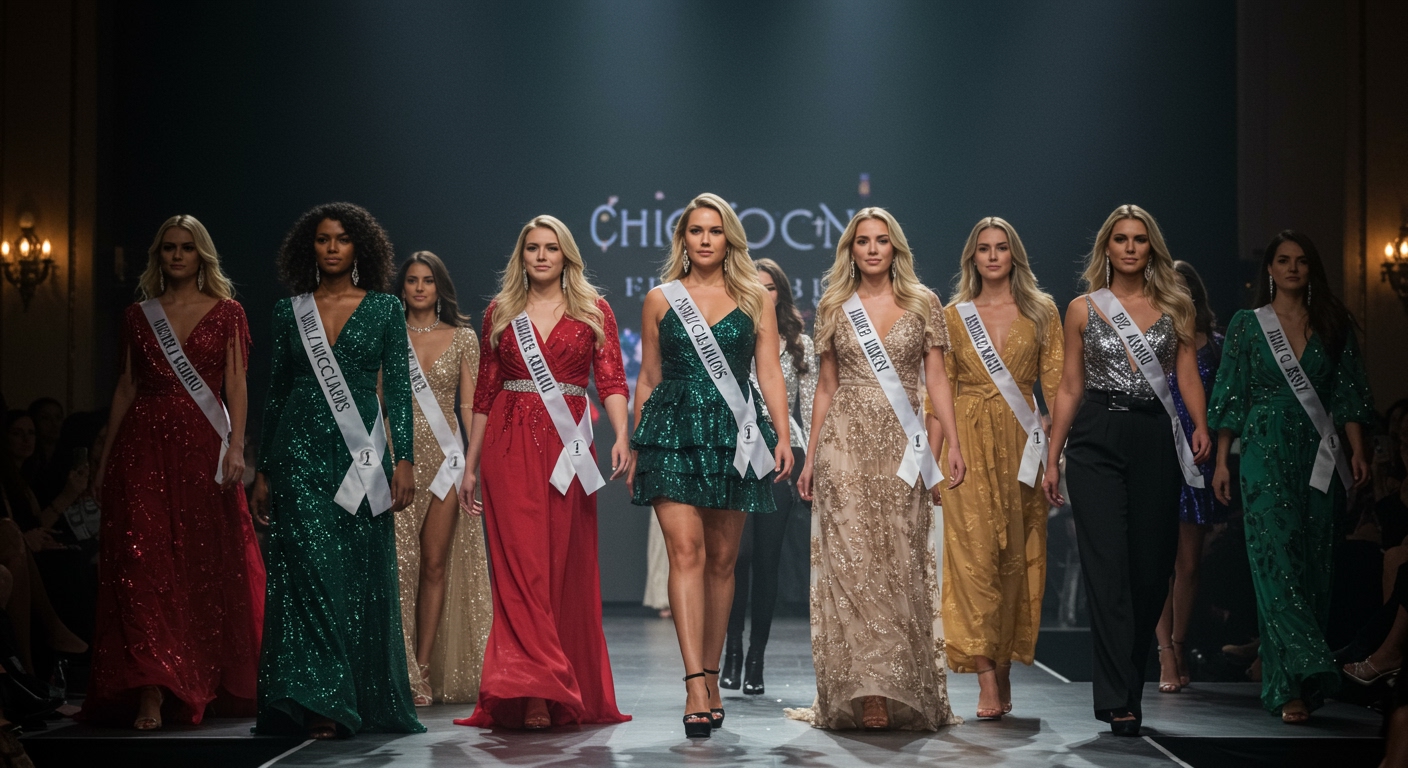

Beyond the cultural shift lies a colder, economic reality. Producing clothing in an inclusive range of sizes—specifically plus sizes—is significantly more expensive. It requires more fabric, complex pattern grading, and larger inventory holding costs. For a long time, the PR benefit of being ‘inclusive’ outweighed these costs. However, as the cultural tide shifts and the ‘thin’ aesthetic regains social currency, brands are finding a convenient economic excuse to quietly scale back their inclusive offerings. The argument that ‘the trend is moving away from curves’ serves as a shield for executives looking to trim their supply chain costs.
The Academic Perspective: Columbia College Chicago’s Findings
Recent reporting and academic discussions, such as those highlighted by Columbia College Chicago, suggest this is not merely a superficial change in trends but a deep-seated reaction against the democratization of beauty. The coverage underscores that the industry often uses ‘trend forecasting’ to police bodies. When the industry moves away from curvier models, it is not an organic shift in public taste but a calculated recalibration by marketing teams who rely on exclusivity to maintain ‘luxury’ status. This analysis positions the Ozempic craze as a tool of social stratification, where thinness is once again signaled as a marker of class and access to medical intervention.
Secondary Angles: The Future of Inclusivity
1. The Psychology of the Trend Cycle: We are seeing a breakdown in the ‘anyone can wear anything’ mentality. The future of inclusivity may shift from ‘fitting everyone’ to ‘specialized boutiques,’ where mass-market fashion abandons diversity in favor of uniform sizing, forcing consumers to rely on niche, body-positive startups rather than legacy luxury houses.
2. The Health-vs-Fashion Paradox: There is an growing tension between medical necessity for some users of GLP-1s and the aesthetic weaponization of these drugs for others. Fashion media has largely failed to distinguish between the two, conflating health outcomes with ‘getting skinny,’ which complicates the industry’s ability to market clothing to a diverse audience without inadvertently endorsing a specific, potentially disordered, body type.
3. Regulatory and Ethical Accountability: As we move forward, there may be calls for greater transparency in runway casting. Similar to how some countries have introduced laws against ‘underweight’ models, future policy discussions may look at how pharmaceutical culture influences employment practices in modeling agencies, potentially creating new ‘health standards’ for runway participation.
FAQ: People Also Ask
Q: Is the fashion industry actually removing curvy models from runways?
A: While it is not a uniform ban, industry observers note a decline in the visibility and booking frequency of plus-size models in high-fashion runway shows compared to the 2018-2021 period, often attributed to a shift in creative direction back to ‘classic’ (thinner) silhouettes.
Q: How do GLP-1 medications influence fashion trends specifically?
A: By making extreme thinness accessible to the affluent, these drugs have effectively removed the barrier to achieving the ‘high fashion’ look. Brands are responding by catering to the segment of the population that is successfully utilizing these medications to alter their body composition, thereby creating a feedback loop of aesthetic expectations.
Q: What is the long-term impact on the body positivity movement?
A: The movement is currently in a state of ‘re-evaluation.’ Experts suggest that body positivity is shifting away from being a mass-market retail strategy and back toward its roots as a grassroots movement, distinct from the commercial interests of high-end fashion houses.