Netflix officially launched its long-awaited seven-episode limited series adaptation of John Steinbeck’s 1952 literary masterpiece, ‘East of Eden,’ today, October 1, 2026. The series, which has been in the works for several years, arrives with significant critical buzz, anchored by an intense, transformative performance from Florence Pugh as the series’ central antagonist, Cathy Ames. By bringing one of the most complex, morally ambiguous figures in American literature to the streaming screen, Netflix is positioning this project as a flagship entry in its autumn slate of prestige programming. The adaptation, which captures the vast, sprawling scope of the Salinas Valley in the early 20th century, seeks to redefine how classic literature is consumed in the digital age.
Key Highlights
- Release Date: All seven episodes of the limited series are available to stream globally on Netflix starting today, October 1, 2026.
- Starring Role: Academy Award-nominated actress Florence Pugh portrays Cathy Ames, a character famously known for her icy detachment and complex motivations.
- Literary Fidelity: The series serves as a faithful, albeit modern, interpretation of John Steinbeck’s seminal 1952 novel, focusing on the multi-generational struggle between the Trask and Hamilton families.
- Showrunner Vision: Written and produced by Zoe Kazan, the series expands on the psychological depth of Steinbeck’s original prose, emphasizing the nuance behind the characters’ motivations.
The Steinbeck Revival: A Modern Lens on a Literary Titan
The premiere of ‘East of Eden’ on Netflix represents a significant moment in the intersection of classic literature and modern streaming culture. John Steinbeck’s original 1952 novel, a sprawling epic dealing with themes of inheritance, biblical allegory, and the nature of good and evil, has long been considered one of the greatest challenges for screenwriters. Previous attempts, most notably the 1955 film starring James Dean, focused heavily on the latter half of the book. Netflix’s 2026 adaptation, however, distinguishes itself by utilizing the seven-episode format to explore the entirety of the novel’s timeline, particularly the origin story of Cathy Ames.
The Casting of Cathy Ames: A Study in Ambiguity
For decades, the character of Cathy Ames has been debated by literary scholars and readers alike. Often described as a “psychopathic” figure, she represents the most difficult acting challenge in the Steinbeck canon. Florence Pugh’s casting was announced with intense industry excitement, and early analysis suggests she brings a chilling, humanistic vulnerability to a character who is often played as a one-dimensional villain. Pugh’s performance is being hailed as the series’ centerpiece; she reportedly spent months studying the historical context of early 20th-century psychological understanding to ground Cathy’s actions. By grounding the character, Pugh and showrunner Zoe Kazan have shifted the focus from simple villainy to a nuanced exploration of human agency and the scars left by trauma, offering a fresh perspective on a character who has been static in the cultural imagination for over 70 years.
Narrative Scope and Artistic Direction
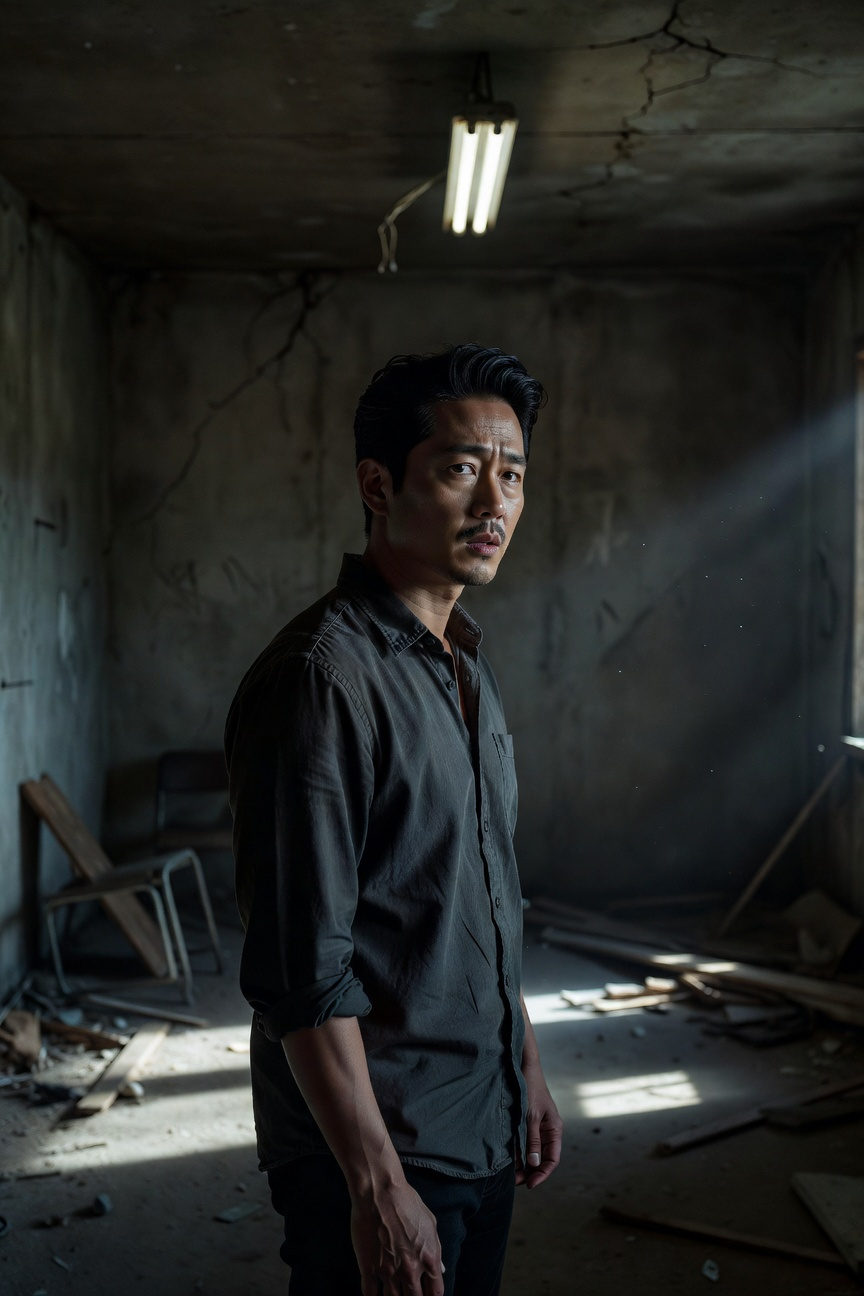



Production values for the 2026 series suggest a significant investment from Netflix. Filmed on location to capture the dusty, sun-drenched, and unforgiving landscapes of the Salinas Valley, the series utilizes a desaturated, high-contrast visual palette. This stylistic choice mirrors the internal turmoil of the Trask family. Unlike the lush, romanticized versions of Americana often seen in period dramas, this production leans into the harshness of the era. The cinematography emphasizes the isolation of the characters, creating an atmospheric tension that builds over the seven-episode arc. The decision to limit the series to seven episodes—rather than stretching it into multiple seasons—was a calculated move to preserve the pacing of the original text, ensuring that every narrative beat from the novel remains intact while maintaining a cinematic, high-stakes quality throughout.
Why Now? The Streaming Prestige Gamble
As the streaming landscape matures in 2026, platforms like Netflix are increasingly pivoting toward “Prestige Literary Adaptations” to retain subscriber attention. In an era saturated with procedural dramas and unscripted content, the return to high-culture source material serves as a strategic differentiator. By investing in a project as dense and culturally significant as ‘East of Eden,’ Netflix is betting that global audiences are craving depth and thematic complexity over sheer volume. The show functions as a cultural touchstone, bridging the gap between older demographics familiar with the Steinbeck classic and younger viewers drawn to Florence Pugh’s star power. It is an exercise in brand-building for the platform, cementing its status not just as a content warehouse, but as a studio capable of handling heavy, challenging, and historically resonant narratives.
Historical Context and The Legacy of Adaptation
It is impossible to discuss the 2026 series without acknowledging the shadow of the 1955 Elia Kazan film. That project focused almost exclusively on the final third of the novel, famously focusing on the rivalry between brothers Cal and Aron. This new Netflix production rectifies the “omission problem” that has plagued previous adaptations. By covering the entire breadth of the generational cycle, the series provides context that has been missing for decades. The inclusion of the Hamilton family—often sidelined in film versions—adds a layer of observational commentary to the Trask family tragedy, enriching the tapestry of the show. This is an ambitious, perhaps even risky, narrative structure, but it is one that honors Steinbeck’s original intent to create an American myth for the 20th century.
FAQ: People Also Ask
Q: How many episodes are in the Netflix ‘East of Eden’ series?
A: The Netflix limited series adaptation consists of seven episodes, all of which are available to stream today, October 1, 2026.
Q: Is this a direct adaptation of the 1952 book?
A: Yes. The series is a faithful adaptation that covers the full scope of John Steinbeck’s novel, including the backstory of Cathy Ames and the multi-generational history of the Trask and Hamilton families, a departure from previous film adaptations which focused on limited portions of the text.
Q: Who is the primary creative force behind this adaptation?
A: Zoe Kazan serves as the primary writer and producer for the series, bringing a distinct creative vision to the project and focusing on the psychological depth of the characters.
Q: Can I watch this with my family?
A: The series is rated for mature audiences due to its complex themes, intensity, and depiction of the darker aspects of human nature found within Steinbeck’s original text.