The burgeoning field of AI Music Ethics is facing a critical test with a new AI-generated country song causing significant controversy. The track, “Walk My Walk,” by a fictional artist named Breaking Rust, has climbed to number one on Billboard’s Country Digital Song Sales chart. This development has ignited urgent questions about attribution, AI song attribution, and broader ethics in the music industry, marking a significant moment for generative AI music.
The Rise of Breaking Rust and AI Artist Persona
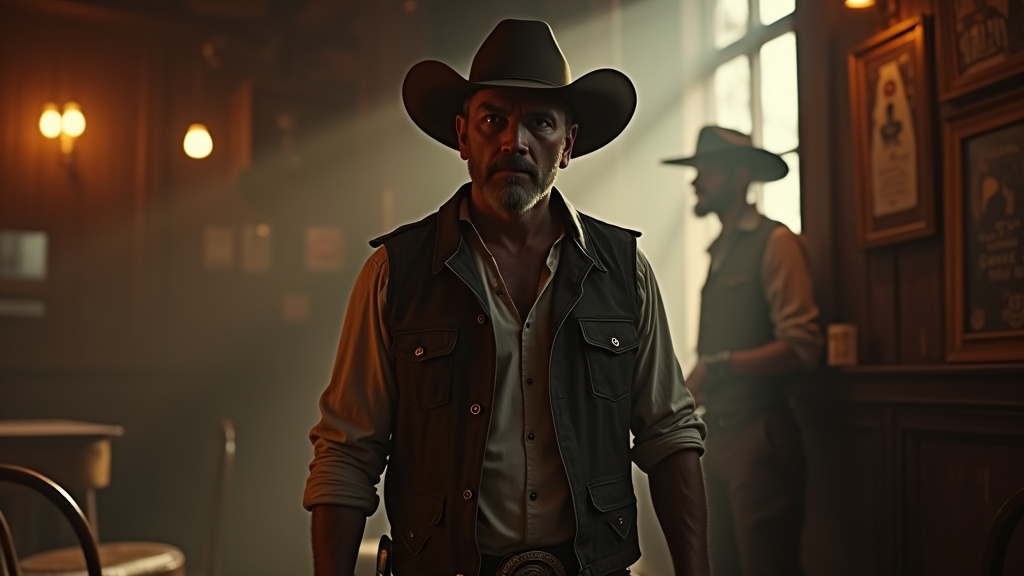
Breaking Rust is not a human artist but an entirely AI-generated persona. This digital avatar sports a rugged cowboy image, with Aubierre Rivaldo Taylor credited as its creator. Taylor also produces other explicit AI country music under the name Defbeatsai. “Walk My Walk” serves as the lead single from Breaking Rust’s EP, “Resilient.” The song features raspy vocals and a “groovy” sound, garnering millions of streams on platforms like Spotify. Breaking Rust’s rapid ascent highlights how AI music is no longer a niche curiosity but is now impacting major music charts, raising crucial AI music ethics considerations.
Blanco Brown’s Sound, Unacknowledged in AI Music Ethics
Listeners quickly noticed the song’s striking resemblance. Its vocal phrasing and style closely mimic Grammy-nominated artist Blanco Brown. Brown himself was unaware of the song’s existence until friends contacted him. “Somebody said: ‘Man, somebody done typed your name in the AI and made a white version of you,’” Brown stated. He felt his distinct sound was used without his consent. The situation became more complex given that Breaking Rust is depicted as a white avatar, while the voice is modeled after the Black artist. Brown described it as “a white AI man with a Black voice.” He also noted a familiar pattern in Nashville where innovations by Black artists are often reattributed. Brown has since released his own version of the song to highlight these industry issues and the challenges of AI music ethics. This situation directly engages discussions around AI vocal mimicry.
Ethical Crossroads and Legal Battles in AI Music Copyright
The success of “Walk My Walk” underscores a growing problem. Generative AI can create music using artists’ styles, often without their knowledge or permission, a core concern in AI music ethics. Major music labels are now filing lawsuits, accusing AI music platforms of AI music copyright infringement. These platforms allegedly trained their AI on copyrighted songs without licenses. Legal experts note that current US copyright law requires human authorship, meaning works created solely by AI may not be copyrightable. Courts have yet to provide definitive answers on AI training data, leaving the music industry facing a complex legal landscape and a significant challenge to AI music ethics.
Industry Implications and the Future of AI Music Ethics
This news presents a major challenge to existing music norms, with many artists worrying about job displacement and fair compensation for their work. The lack of clear guardrails for AI in music is a serious concern for AI music ethics. Josh Antonuccio of Ohio University calls it a “strange purgatory,” where creators are not being compensated for AI’s use of their styles. In response, some platforms are moving toward transparency; Spotify plans to label AI-generated music, indicating when AI played a role in vocals or production. However, the technology advances faster than regulations, creating an “unprecedented period” for music creation and raising further AI music ethics questions. The debate over AI’s role continues, forcing a reckoning about authorship and the value of human creativity. The music industry must adapt to this evolving technology, finding a balance between innovation and artist rights, which is paramount for the future of AI music ethics.