In the vibrant Latino neighborhoods of Chicago, a palpable fear has emptied popular vendor carts, deeply affecting local businesses. This anxiety is a direct result of a sweeping federal immigration crackdown, which has led to over 3,200 arrests across the Chicago metropolitan area, impacting many Chicago street vendors. In response, Chicago street vendors are witnessing an incredible display of community solidarity, with residents organizing innovative “buy-out” events and fundraisers, creating what is being called ‘A Day Without Fear’ to support these vital small businesses and immigrant communities.
The Federal Crackdown’s Impact on Chicago Street Vendors
The federal immigration enforcement operations have cast a long shadow over Chicago and its surrounding suburbs, deeply affecting street vending. The increased presence of Immigration and Customs Enforcement (ICE) agents and the escalating number of arrests have instilled deep fear within immigrant communities, including many Chicago street vendors. This fear has compelled numerous street vendors, who are often immigrants themselves, to stay home, afraid of being detained and losing their livelihoods. Consequently, streets and storefronts in Latino neighborhoods have become noticeably emptier, and local restaurants have experienced significant drops in sales as customers choose to stay home, highlighting the vulnerability of Chicago street vendors.
The impact is particularly acute in areas like Little Village, often considered the Mexican heart of Chicago. Businesses that have weathered economic downturns for decades are now reporting substantial revenue losses, ranging from 20% to 50%, directly attributing the decline to the climate of fear surrounding immigration enforcement. This situation not only threatens individual Chicago street vendors but also has broader economic implications for the city, as Latino communities contribute significantly to Illinois’ Gross Domestic Product through their street vending activities.
Community Solidarity: Supporting Chicago Street Vendors with ‘Buy-Outs’
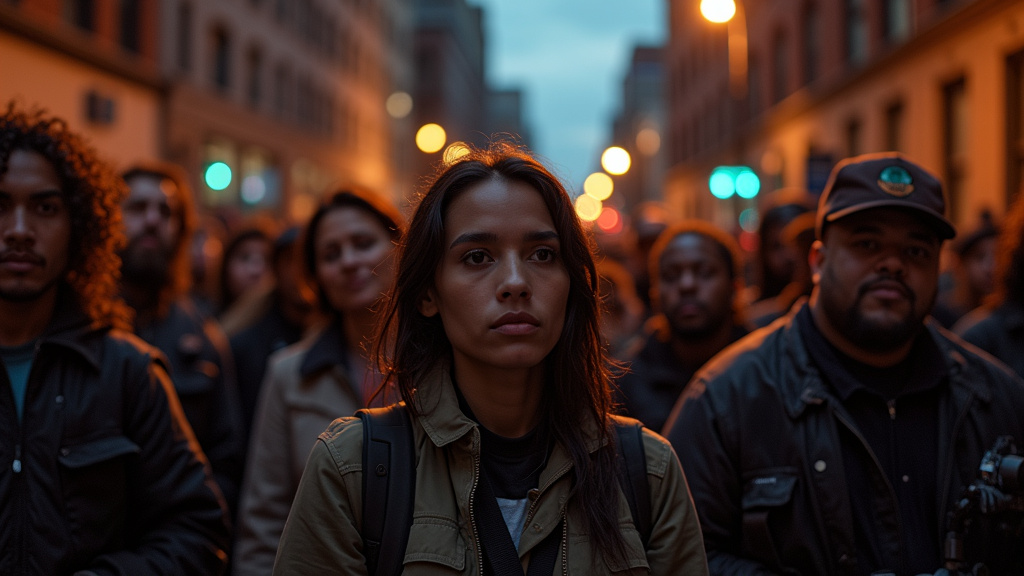

Against this backdrop of fear, Chicago residents are actively demonstrating their support for their neighbors, especially Chicago street vendors. Grassroots efforts, such as organized bike rides, are sweeping through neighborhoods at sunrise, stopping at tamale carts, elote stands, and candy stalls to purchase entire inventories. These “buy-out” events allow vendors to leave their posts early, mitigating the risk of encountering immigration agents and ensuring they don’t lose income for the day, providing crucial support for immigrant communities and vital economic impact.
Organizers like Rick Rosales of Cycling x Solidarity are coordinating multiple buy-out rides weekly, each supporting several street vendors. The sentiment behind these actions is encapsulated in the idea of “A Day Without Fear” – a chance for Chicago street vendors to work and earn without the constant dread of deportation or detention. This initiative has become a trending news story, highlighting the strength of community bonds in Chicago and offering much-needed community support events.
The Street Vendors Association of Chicago and Fundraising for Chicago Street Vendors
Crucial to these support efforts is the Street Vendors Association of Chicago (SVAC). This organization is at the forefront of advocating for street vendors, providing resources, and building political and economic power for Chicago street vendors. SVAC has launched a GoFundMe campaign with a goal of raising $300,000 to provide financial support to Chicago street vendors affected by the immigration crackdown. As of recent reports, the association had already raised over $230,000, demonstrating significant support for immigrants and strengthening community solidarity.
Beyond direct financial aid, SVAC is also helping to connect vendors with individuals and organizations willing to participate in buy-out events. Local businesses have also joined the cause, hosting pop-up events where a portion of the proceeds benefits street vendors. These collective actions underscore the value and popularity of these small businesses within the fabric of Chicago, bolstering support for local businesses and acknowledging the economic impact of street vending.
Chicago Street Vendors’ Plight and Community Value
Street vendors are more than just economic actors; they are integral to Chicago’s cultural landscape. They preserve culinary traditions, bring life and color to the city’s streets, and foster a sense of community. Many vendors, often Hispanic, have been in this profession for years, relying on it to support their families, as other employment opportunities may be limited due to age, health, or job prospects. The fear of arrest has been deeply emotional for Chicago street vendors, many of whom were unaware of the extent of community love and support until these initiatives began. Stories like that of a tamale vendor who stated, “You saved my life,” after avoiding ICE detention thanks to a buy-out, highlight the life-saving nature of these community actions.
Broader Economic and Cultural Stakes for Chicago Street Vendors
The economic contributions of Chicago street vendors are substantial. Research indicates that street vending generates millions in annual sales and supports thousands of jobs. Legalizing and supporting this sector has the potential for significant economic growth. The current climate, however, not only threatens this economic engine but also represents a cultural loss, diminishing the vibrant street life that makes Chicago a popular and dynamic city. The continued support for Chicago street vendors is essential.
As the immigration crackdown continues, the community’s response in Chicago serves as a powerful testament to solidarity and resilience. The “Day Without Fear” movement is not just about economic support; it’s a clear signal that Chicago street vendors are valued members of the community, whose presence and contributions are essential to the city’s identity and prosperity. The news from Chicago highlights a growing trend of community-led support in the face of challenging policies, reinforcing the importance of Chicago street vendors.