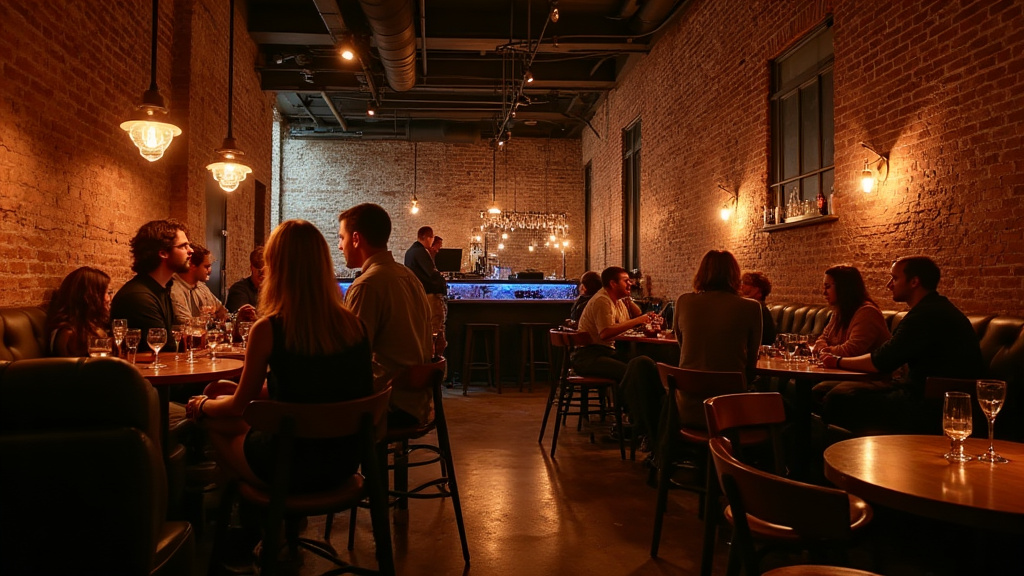
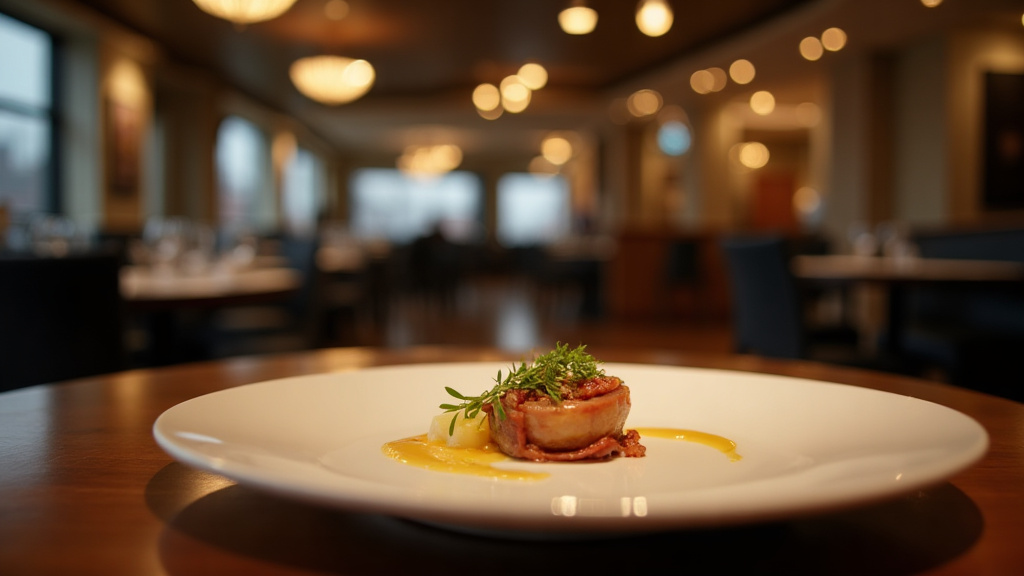
The vibrant aromas of Balkan cuisine are once again filling the air in Brookfield. Skadarliya, the renowned Serbian restaurant that had served as a cornerstone of the local dining scene for years, officially reopened its doors this week. The restaurant, which had been dark since its closure in May 2026, marked its return with a formal ribbon-cutting ceremony held on Friday, November 20. The event, attended by local business leaders and long-time patrons, signals not just the return of a beloved eatery, but a revitalization of the neighborhood’s diverse dining landscape.
Key Highlights
- Official Reopening: Skadarliya resumed operations following a successful ribbon-cutting ceremony on Friday, November 20.
- New Ownership: The establishment is now operating under fresh management committed to preserving the restaurant’s authentic cultural roots while modernizing service standards.
- Closure Context: The restaurant had previously ceased operations in May 2026, leaving a significant void in the local gastronomic scene.
- Menu Preservation: Early reports confirm that the signature Serbian menu, known for traditional staples and regional flavor profiles, remains the heart of the new establishment.
A Culinary Resurrection in Brookfield
The reopening of Skadarliya is more than just a business transaction; for many in Brookfield, it is the restoration of a cultural touchstone. Restaurants that offer authentic, regional international cuisine are often the threads that stitch together the cultural fabric of a suburban community. When Skadarliya closed its doors in May 2026, it wasn’t just a business that vanished; it was a gathering space for community celebrations, family dinners, and an introduction to Serbian hospitality for newcomers to the region.
The Strategic Shift Under New Ownership


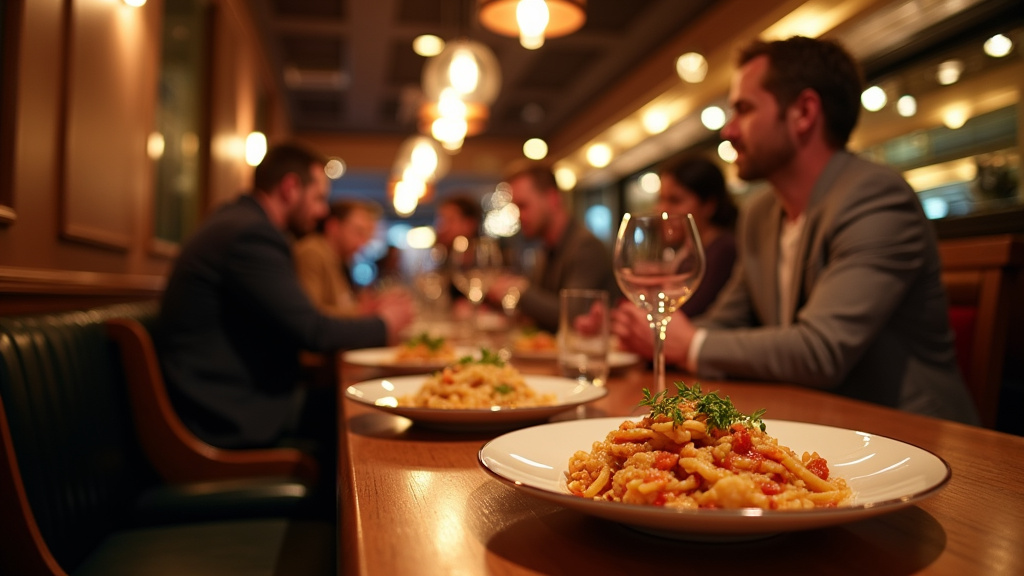

While the name remains the same, the operational philosophy behind the scenes has shifted. The new ownership group has spent the months following the May closure conducting a comprehensive audit of the venue’s infrastructure and guest experience protocols. This transition period was vital for ensuring that the kitchen could handle the high demand that historically characterized the restaurant, while also implementing more sustainable supply chain practices for sourcing authentic ingredients.
Management has emphasized that while the goal is modernization, the ‘soul’ of the restaurant remains untouched. This balance is critical. In the realm of ethnic cuisine, authenticity is the primary currency. By retaining key recipes and focusing on traditional preparation methods—such as the slow-cooking techniques required for authentic sarma or the specific grilling preparation for classic ćevapi—the new team aims to signal to loyalists that the ‘old Skadarliya’ they grew to love is still present, albeit with a fresh, revitalized vigor.
The Economic and Social Ripple Effect
Locally, the reopening serves as a barometer for the Brookfield hospitality economy. The restaurant industry has faced significant volatility over the past few years, with rising operational costs and staffing challenges forcing many establishments to shutter permanently. Skadarliya’s ability to find a successor and reopen demonstrates resilience and investor confidence in the local market.
Furthermore, the restaurant’s presence acts as an anchor for foot traffic in the immediate vicinity. Complementary businesses in the area—from retail shops to neighboring cafes—typically benefit from the ‘dining-out’ surge that a destination restaurant like Skadarliya creates. When people visit for a Saturday night dinner, they are often walking through the district, parking in local lots, and keeping the local economy circulating.
Looking Toward the Future: The Evolution of Balkan Dining
As the restaurant settles into its new rhythm, the focus will inevitably shift toward how it evolves to meet the changing tastes of a modern demographic. The challenge for the new management team is twofold: they must satisfy the purists who demand the exact flavors they remember from before May 2026, while also introducing new innovations that might attract a younger, more adventurous culinary crowd.
Preliminary conversations with the new management suggest they are planning to expand their weekend offerings and potentially introduce a selection of regional Serbian wines that were previously unavailable in the area. This push toward ‘educational’ dining—where the meal is accompanied by cultural context—is a growing trend in suburban fine dining and could position Skadarliya as more than just a restaurant, but as a local institution that educates as it feeds. The community reaction on opening night suggests that the appetite for this level of quality and cultural authenticity remains as strong as ever.