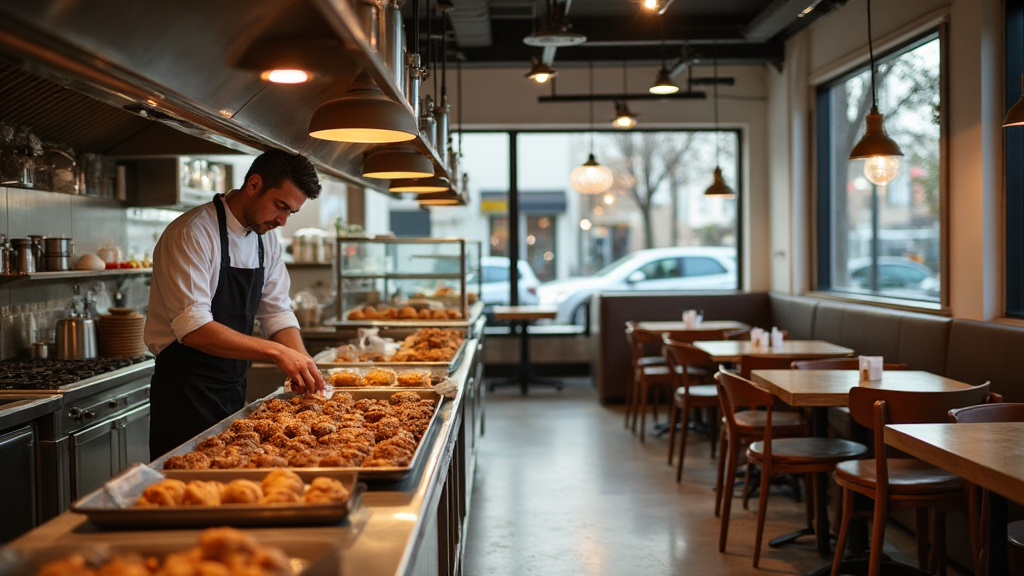
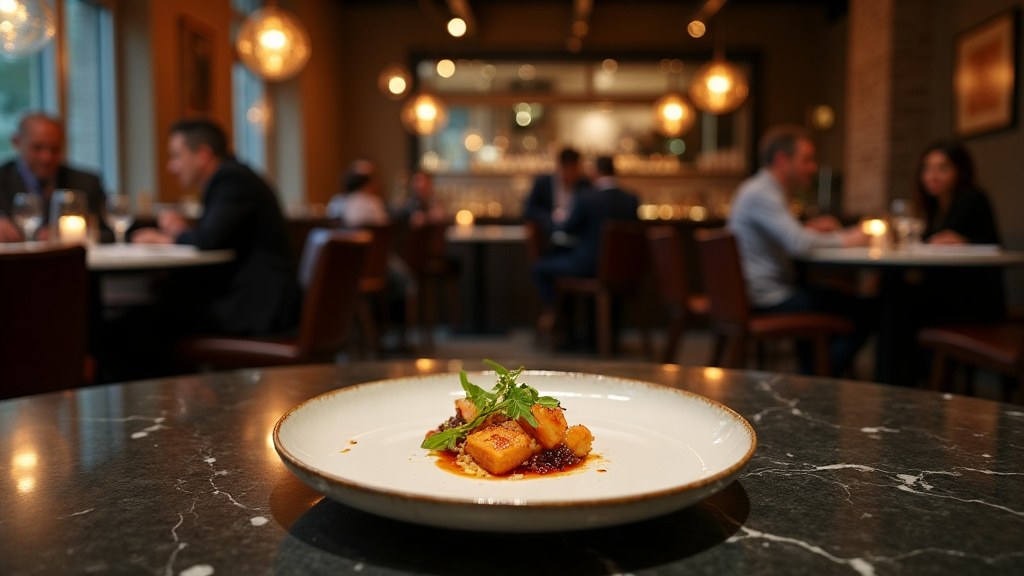
The culinary landscape of Chicago continues its upward trajectory as the MICHELIN Guide announced its highly anticipated November 2026 update. This latest cycle of inspections has yielded three significant additions to the Guide’s recommended list, underscoring the city’s reputation for diversity, technique, and unwavering flavor profiles. These new entries represent not just individual victories for the restaurant teams, but a broader evolution in how the MICHELIN inspectors are engaging with the Windy City’s vast, multi-faceted gastronomic topography.
Key Highlights
- Expansion of Excellence: The MICHELIN Guide has officially added three new restaurants to its Chicago selection as of November 2026.
- Featured Establishments: The new honorees include All Well, Atsumeru, and Lao Peng You, each recognized for distinct contributions to the local dining scene.
- Continued Growth: These additions highlight the inspectors’ ongoing focus on both established culinary hubs and emerging neighborhood gems.
A New Chapter in Chicago’s Gastronomic Narrative
For food enthusiasts and industry insiders alike, the MICHELIN Guide’s seasonal updates act as a barometer for the health and vitality of a city’s dining scene. The November 2026 expansion into Chicago is particularly telling, as it reflects a shift toward establishments that prioritize high-quality ingredients, technical execution, and the ability to capture the unique spirit of their specific neighborhoods.
All Well: Mastering Refinement
All Well has secured its place in the Guide by demonstrating a masterful command of flavor balancing. In an era where many restaurants are pushing toward complex deconstruction, All Well has gained recognition for its commitment to clarity. The inspectors’ notes point specifically to the kitchen’s ability to take familiar components and elevate them through precision cooking methods. Whether it is the integrity of the proteins or the precise seasoning of the vegetable accompaniments, All Well represents a style of dining that is both approachable and undeniably sophisticated, making it a critical addition for those seeking consistent excellence.
Atsumeru: The Art of Fusion
Atsumeru enters the Guide as a testament to the intersection of traditional technique and contemporary innovation. The restaurant has garnered praise for its seamless blending of global influences, resulting in dishes that feel simultaneously rooted in history and entirely forward-looking. For the MICHELIN inspectors, Atsumeru stands out because it avoids the common pitfalls of fusion dining—namely, the muddling of flavors. Instead, the restaurant achieves a crystalline definition in every plate, suggesting a kitchen staff that is operating with extreme focus and a clear culinary vision.
Lao Peng You: Authenticity Meets Atmosphere



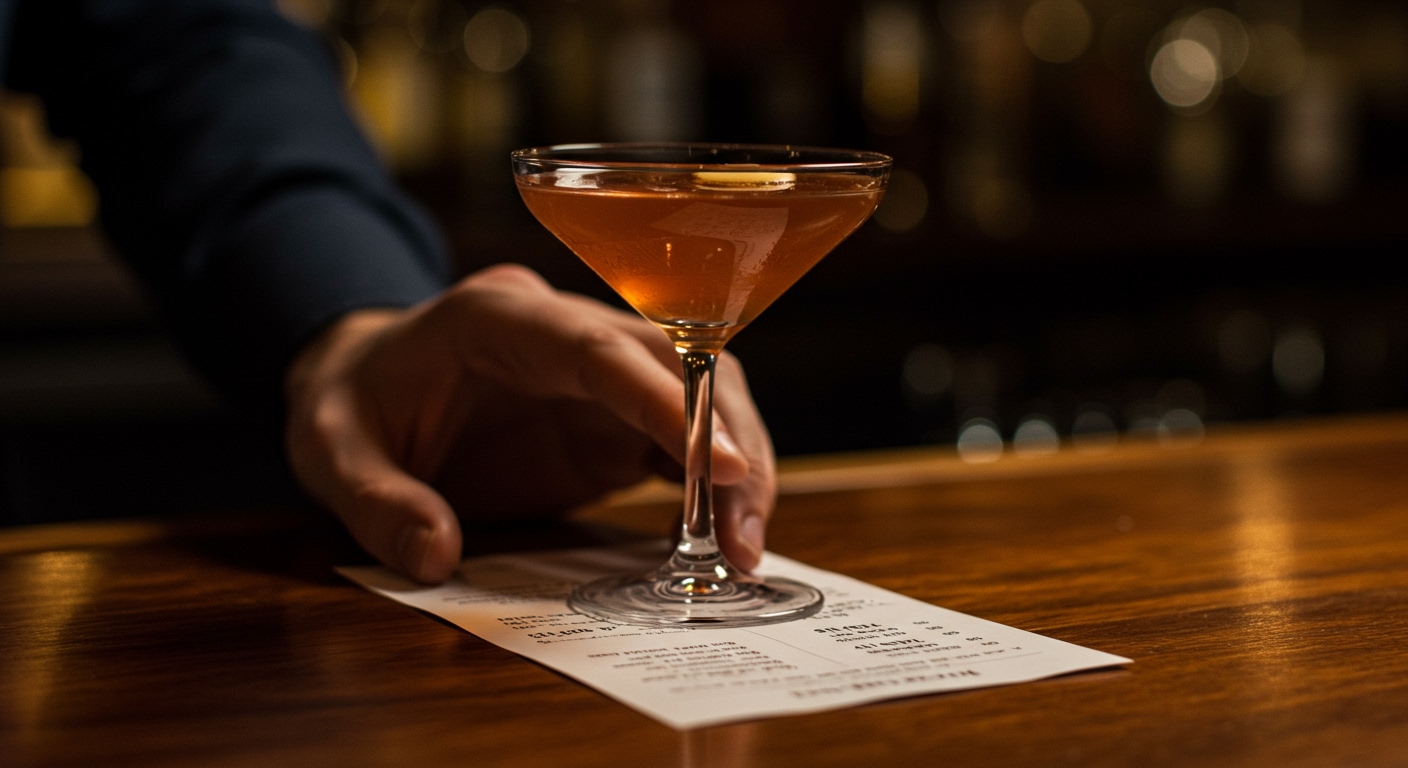
Perhaps no addition has generated as much buzz as Lao Peng You. Recognized for its commitment to traditional regional preparations, the restaurant offers an experience that resonates deeply with both the local community and the visiting culinary traveler. The MICHELIN report highlights not just the technical prowess regarding handmade elements and specific regional sauces, but the sheer vitality of the dining room. It serves as a reminder that a Michelin-recommended experience does not always have to be formal; often, it is defined by the quality of the soul poured into the bowl or plate.
The Michelin Methodology and Economic Impact
The process of adding these three restaurants to the Chicago Guide is indicative of a broader, more flexible inspection methodology that has been evolving over the last few years. The MICHELIN Guide is increasingly looking beyond the traditional constraints of fine dining, placing equal value on the ‘x-factor’ of a neighborhood spot that consistently delivers excellence.
The Economic Ripple Effect
There is a quantifiable economic impact when a restaurant receives the nod from Michelin. For a city like Chicago, which relies heavily on culinary tourism, these designations act as powerful beacons. When a restaurant like Lao Peng You or Atsumeru is recognized, it directs a specific demographic of food-focused travelers to those neighborhoods, which in turn benefits the surrounding local economy. It validates the investment of restaurateurs who are pushing boundaries in parts of the city that might have previously flown under the radar.
Evolution of Inspection Criteria
Inspectors are no longer just looking for white tablecloths and extensive wine lists. The current criteria place a heavy emphasis on the ‘personality’ of the establishment. Can the chef execute with precision? Is the menu cohesive? And most importantly, is there a sense of identity that is authentic to the chef and the location? By selecting this specific trio, the MICHELIN Guide is signaling that the future of high-end, or at least high-quality, dining in Chicago is built on the foundation of character-driven, highly competent cooking rather than just prestige and luxury service.
Future Predictions for the Chicago Scene
As we look beyond the November 2026 update, it is clear that the Chicago culinary scene is in a state of rapid, positive transformation. We are likely to see more restaurants prioritizing sustainable sourcing and hyper-local supply chains, as these remain critical factors for the MICHELIN Guide’s ‘Green Star’ considerations and general recommendations. The integration of these three new restaurants suggests a trend toward the ‘democratization’ of fine dining—a move away from stuffy, inaccessible environments and toward spaces where the food itself is the undeniable star.
FAQ: People Also Ask
1. What specific criteria does the MICHELIN Guide use for these additions?
The MICHELIN Guide uses five universal criteria: the quality of the ingredients, the mastery of flavor and cooking techniques, the personality of the chef in their cuisine, value for money, and consistency between visits.
2. Does being added to the Guide imply a Star rating?
No. These restaurants have been added as ‘Recommended’ or ‘Selected’ establishments. A Michelin Star is a separate, higher-tier designation reserved for restaurants that demonstrate exceptional, world-class cooking.
3. How often does the MICHELIN Guide update its Chicago selection?
While the main Guide is published annually, Michelin has transitioned to a more fluid, rolling update system, allowing them to add new restaurants to the digital Guide as inspectors complete their visits throughout the year.
4. Where are these new restaurants located?
The specific locations vary, but all three—All Well, Atsumeru, and Lao Peng You—are integrated into the existing Chicago Guide app and website, providing full address details and reservation information for the public.