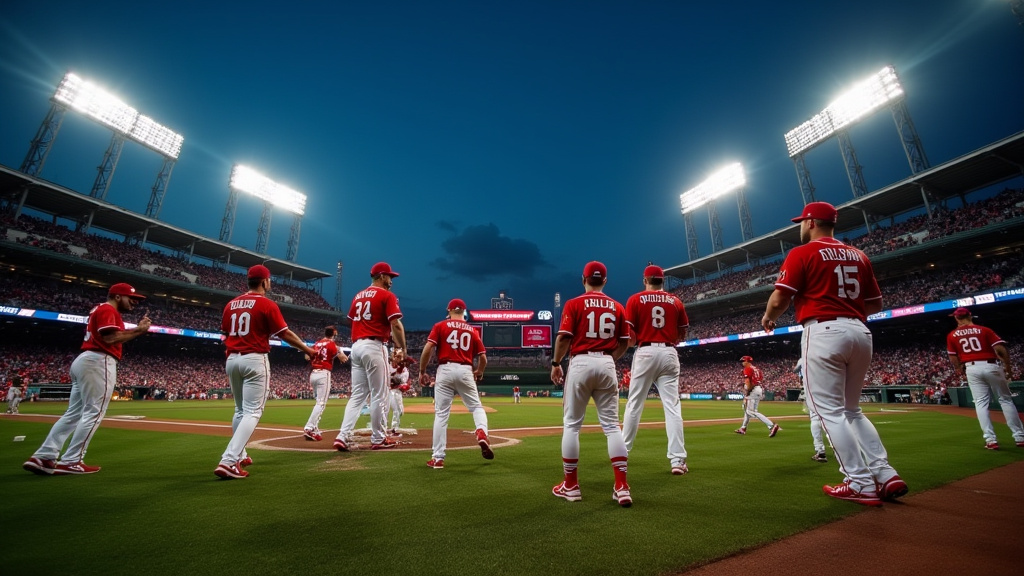
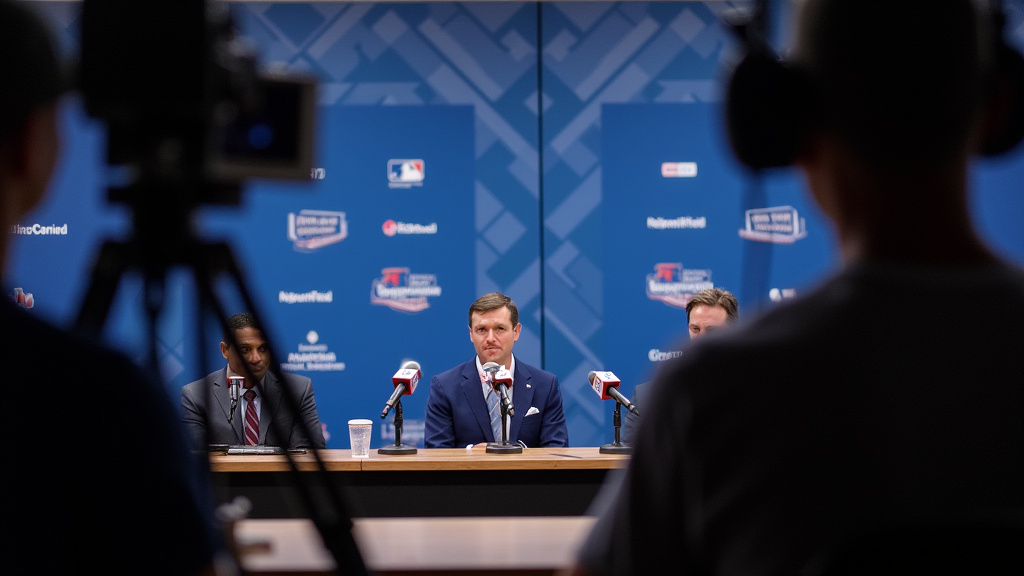
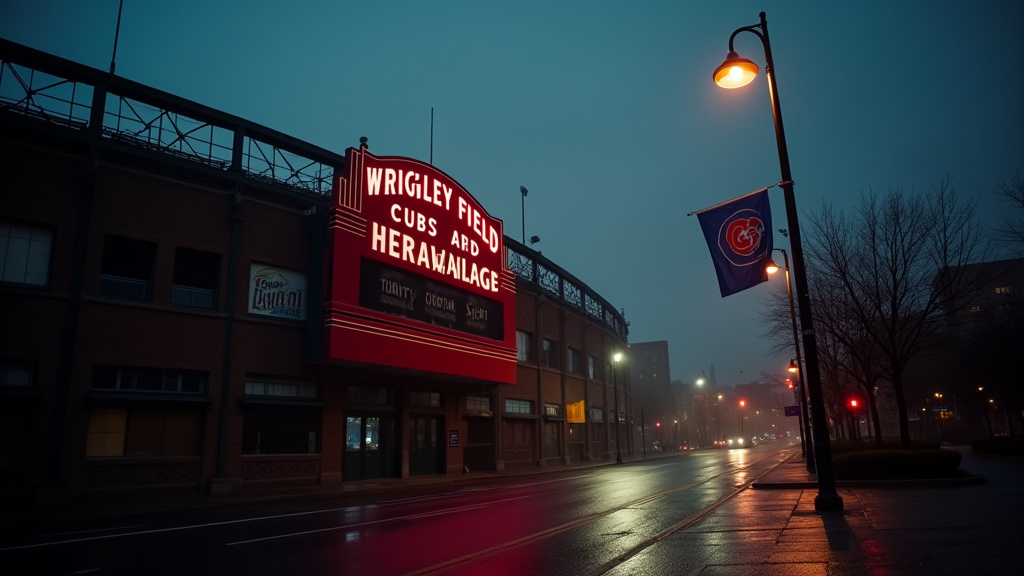
The Chicago Cubs front office held a high-stakes press conference on September 30, 2026, providing a transparent assessment of the 2026 season and outlining the immediate priorities for an organization eager to reclaim its position as a perennial contender. With the postseason picture solidified and the Cubs’ trajectory concluded for the year, the team’s leadership focused on actionable steps to bridge the gap between competitive flashes and sustained championship-caliber performance.
Key Highlights
- Strategic Accountability: Leadership emphasized the need for consistent offensive production and deeper bullpen stability following identified regressions in the late-summer stretch.
- Managerial Stability: Craig Counsell received a vote of confidence, with the front office underscoring the importance of long-term continuity in the coaching staff.
- Roster Construction: Plans were discussed to aggressively pursue free-agent depth, specifically targeting high-leverage relief arms and middle-of-the-order power.
- Organizational Data Utilization: The team is shifting toward a more aggressive integration of advanced player-tracking metrics to optimize individual development cycles for the 2027 spring training period.
Pivoting to the 2027 Roadmap
The September 30 press conference, held in the wake of the 2026 season’s conclusion, served as a diagnostic review of the team’s operational health. For a club that has spent significant capital on building a modern, competitive structure, the narrative coming out of the front office was one of measured urgency. The leadership team, headlined by key organizational executives, did not shy away from the statistical realities that defined the latter half of the season. The primary focus remained on the transition from a ‘competitive’ status to a ‘contender’ status.
Analyzing the 2026 Performance Gap
To understand the path forward, the front office engaged in a frank analysis of the 2026 metrics. The team’s offensive inconsistency—often cited by local media and statistical analysts alike—was a focal point. While the starting rotation demonstrated resilience throughout the dog days of August and September, the bullpen’s ability to maintain leads in one-run games fluctuated significantly. The leadership noted that the variance in high-leverage scenarios resulted in a narrow margin of error that ultimately affected their postseason seeding and eligibility.
This gap analysis is critical for the off-season strategy. The front office is now tasked with balancing the existing, talented young core with external acquisitions that can provide veteran stability. The philosophy discussed on September 30 suggests a move away from ‘gap-filling’ signings toward high-impact additions that alter the team’s defensive and offensive floor.
The Counsell Doctrine and Coaching Stability
Perhaps the most significant message from the event was the unequivocal support for manager Craig Counsell. In baseball, managerial tenures are often treated as volatile, yet the Cubs leadership utilized this platform to signal a departure from short-term reactive decision-making. The discussion highlighted that the current coaching staff’s development philosophy—centered on situational awareness and plate discipline—requires multiple seasons to fully take root.

By committing to this stability, the organization is signaling to both the clubhouse and the fan base that they are prioritizing process over reactionary changes. This alignment between the dugout and the front office is essential for fostering the culture of accountability needed to succeed in the rigorous National League Central division.
Financial Strategy and Roster Economics
While the specific dollar figures for the 2027 payroll remain in the planning phase, the leadership indicated that the Ricketts family ownership group is aligned with the need for competitive spending. The discussion touched on the ‘economic impact’ of missing the deep postseason, framing it not as a loss of revenue, but as a loss of competitive opportunity that necessitates a strategic reinvestment.
This investment is not expected to be indiscriminate. The strategy involves targeted spending on ‘force multipliers’—players whose presence elevates the defensive and offensive output of the collective group. This shift in capital allocation reflects a more sophisticated understanding of modern roster economics, where the value of a player is measured not just in traditional statistics, but in WAR (Wins Above Replacement) and their impact on team defensive run prevention.
Historical Context and Future Projections
The history of the Cubs over the last decade has been defined by cycles of intense rebuilding followed by sudden, window-based competition. The current leadership is attempting to break this cycle by building a ‘perpetual window’ of contention. This requires a robust pipeline of prospects and a high floor for the major league roster. The September 30 briefing underscored that the organization is no longer looking for a ‘quick fix’ but is committed to a multi-year build that prioritizes data-driven development at the AAA level, ensuring that when the major league roster experiences injuries or fatigue, the replacements are not just depth, but contributors.
Looking toward 2027, the internal projections are optimistic. With a core group entering their prime and a front office that appears unified in its strategic vision, the emphasis is now on execution. The message to the fans is clear: the 2026 season was a lesson in the fine margins of the game, and 2027 will be defined by the adjustments made in the quiet months of the off-season.
FAQ: People Also Ask
Q: What is the primary focus of the Cubs front office for the upcoming off-season?
A: The primary focus is stabilizing the bullpen through high-leverage acquisitions and enhancing consistent offensive production to close the ‘gap’ identified in the 2026 season.
Q: Did the team express concern about the managerial position?
A: No. In fact, leadership provided a strong vote of confidence for Craig Counsell, emphasizing the need for long-term stability and continuity in the coaching staff’s development philosophy.
Q: Will the Chicago Cubs be aggressive in free agency this winter?
A: The front office signaled a commitment to ‘force multipliers’—strategic, high-impact signings—rather than indiscriminate spending, aiming to elevate the existing core roster.
Q: Why was this press conference held on September 30, 2026?
A: This date marked the immediate post-regular-season period, serving as the official time for the organization to pivot from the 2026 season review to the planning and strategic development phase for 2027.