Chicago’s dining scene is undergoing a palpable transformation this autumn, as restaurateurs pivot from traditional fine dining toward high-energy, experiential venues that prioritize atmosphere as much as their curated menus. As the season changes, the city’s nightlife landscape is being reshaped by a trio of diverse concepts that target the evolving demands of the modern Chicago diner: the vibrant, high-concept nightlife of Drama Club, the approachable warmth of Home Bar, and the refined, timeless elegance of the Martini Lounge.
Key Highlights
- Experience-Driven Dining: New venues like Drama Club are shifting focus toward immersive atmospheres that blend nightlife entertainment with high-end bar service.
- The Neighborhood Return: Establishments like Home Bar are capitalizing on the ‘third place’ trend, offering localized, community-centric environments that cater to neighborhood loyalty.
- The Classic Revival: The Martini Lounge signals a return to mid-century mixology and the ‘classic cocktail’ aesthetic, moving away from overly complicated ingredient lists.
The Culinary Evolution of the Windy City
As Chicago transitions into the cooler months, the hospitality sector is witnessing a recalibration. The fall 2024 slate is not defined by massive, expensive tasting menus but rather by a focus on accessibility, craft, and community. This analysis explores how the incoming wave of restaurants is not just filling physical space, but actively responding to shifting economic and social behaviors in the city.
Drama Club: The New Standard for High-Energy Hospitality
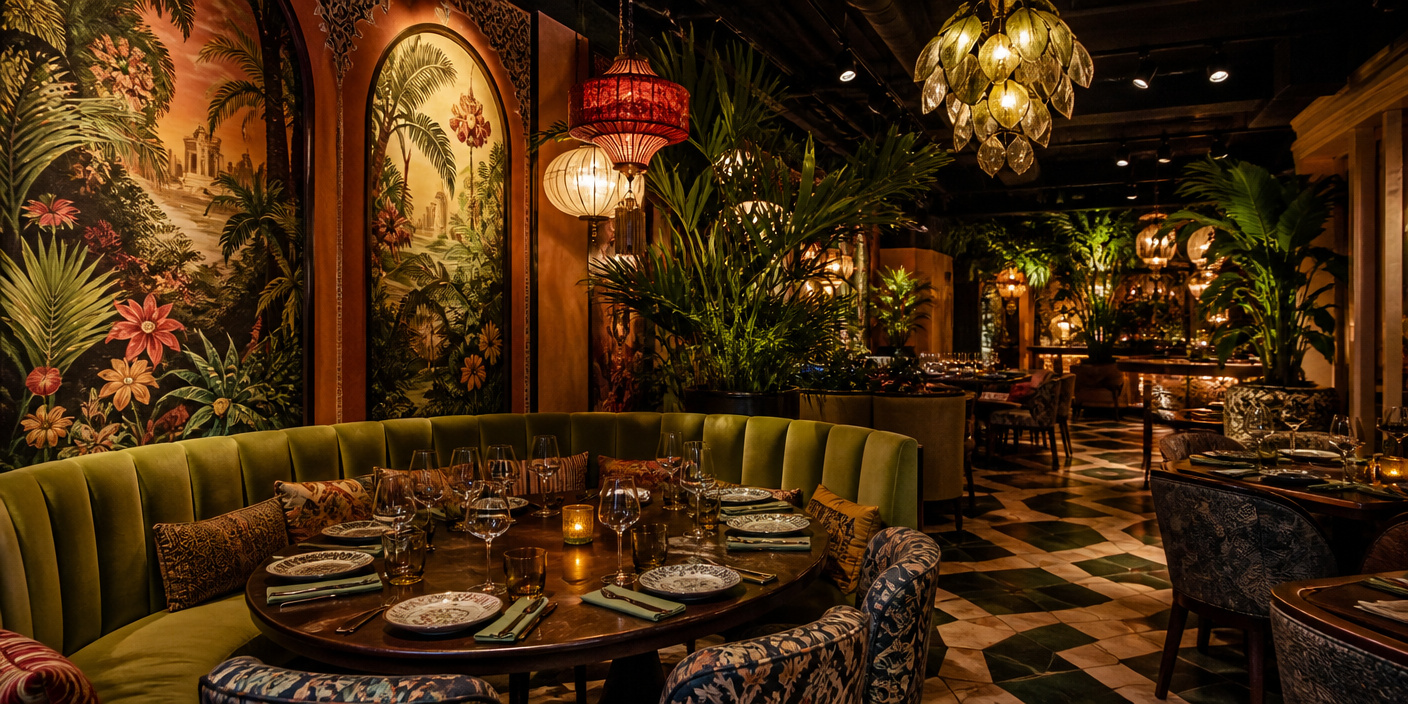
Drama Club enters the Chicago nightlife market with a clear objective: to bridge the gap between a high-end cocktail bar and a full-fledged night out. Unlike the quiet, speakeasy-style bars that dominated the last decade, Drama Club leans into maximalism. Industry insiders note that the design philosophy centers on “theatrical hospitality,” where the decor, lighting, and service pacing are choreographed to build energy as the night progresses. By prioritizing a high-tempo environment, the venue is targeting a younger, experience-seeking demographic that values social engagement as the primary commodity, with premium spirits serving as the enabler rather than the sole attraction.
Home Bar: Reclaiming the Neighborhood Spirit
Contrasting the high-energy focus of places like Drama Club, Home Bar is positioning itself as a localized anchor. In an era where many diners feel alienated by overly curated or exclusive environments, Home Bar is betting on the comfort of the familiar. The concept focuses on high-quality, recognizable pub fare elevated with seasonal Midwestern ingredients. This approach is rooted in the economic reality that consistent, weekly repeat customers—rather than one-off tourists—are the bedrock of a sustainable restaurant operation in Chicago’s increasingly competitive neighborhoods. By fostering a “third place” identity—a spot between work and home—the venue seeks to build long-term brand loyalty.
The Martini Lounge: A Revival of Classic Sophistication


Perhaps the most significant trend this fall is the “Martini Renaissance.” The Martini Lounge is a direct response to the fatigue surrounding overly complex, ingredient-heavy cocktails. By centering its identity on the iconic Martini, the venue is striping back the art of mixology to its core: temperature, glass quality, and the precise ratio of spirits. This minimalist approach allows for a faster service loop and a more sophisticated, mature aesthetic. It signals a move toward “quiet luxury” in the Chicago bar scene, where the quality of the gin, the specific chill of the glass, and the atmosphere of the room take precedence over visual theatrics.
The Economic Drivers Behind Chicago’s Restaurant Boom
Behind these openings lies a complex economic strategy. Chicago restaurateurs are currently navigating a landscape of rising commercial rents and increased cost of goods sold (COGS). The “experience-first” model seen in venues like Drama Club helps owners justify higher price points for drinks and small plates. By selling an environment—lighting, music, and social status—rather than just food, these venues can maintain higher margins despite inflation. Furthermore, the operational overhead is being managed through tighter, specialized menus. By limiting the scope of their offerings, these venues reduce food waste and streamline kitchen operations, which is essential for profitability in a high-cost urban market.
Adapting to the Modern Labor Landscape
One of the most pressing challenges for these new establishments is recruitment and retention. The fall 2024 openings are notable for how they are handling staffing. Many of these groups have shifted away from traditional seasonal hiring models, instead opting for a core team of career hospitality professionals. By investing in better benefits and more stable scheduling, operators are attempting to minimize the high turnover rates that have historically plagued the Chicago industry. This professionalization of the front-of-house staff is crucial for venues like the Martini Lounge, where the service style is expected to be precise and knowledgeable.
The Seasonal Pivot: Leveraging the Midwest Harvest
While the concept and atmosphere are critical, these venues are also tapping into the regional agricultural calendar. Fall in Chicago provides a distinct set of ingredients—squash, apples, pears, and root vegetables—that are increasingly influencing the menus of even the most bar-centric venues. We are seeing a blurring of the line between the kitchen and the bar, with house-made syrups, infusions, and garnishes often sourced from local purveyors. This localized approach is not only a marketing advantage—appealing to the city’s “shop local” ethos—but it also provides a unique, seasonally-shifting menu that gives customers a reason to return when the seasons change.
FAQ: People Also Ask
Q: What is the best way to secure reservations at these new venues?
A: For most of these high-demand fall openings, such as Drama Club or the Martini Lounge, reservations are released on a rolling basis, typically 14 to 30 days in advance via platforms like Resy or OpenTable. For venues like Home Bar, some sections may be reserved for walk-ins to maintain a neighborhood feel.
Q: Are these venues suitable for private events?
A: Yes, all three mentioned venues—Drama Club, Home Bar, and the Martini Lounge—feature dedicated event programming. Given the high demand for holiday parties in Chicago this autumn, it is recommended to contact their events coordinators at least eight weeks in advance.
Q: How do these new restaurants differ from traditional Chicago steakhouses?
A: Unlike the traditional, high-priced, white-tablecloth steakhouses that have dominated Chicago’s fine dining for decades, these new spots focus on “experiential” hospitality, lighter small plates, and specialized beverage programs rather than heavy protein-focused meals.
Q: Is there a dress code for the new nightlife venues like Drama Club?
A: While Chicago generally maintains a relaxed attitude toward dress, venues like Drama Club are leaning into a “polished-casual” aesthetic. It is generally advised to avoid overly athletic wear to ensure entry during peak hours.