The 2nd Annual Logandale Restaurant & Bar Crawl successfully animated the Milwaukee Avenue corridor between Central Park and Fullerton Avenues on August 30, showcasing a mix of local staples like Mothers Ruin and Kie-Gol-Lanee. This event, now in its second iteration, serves as a high-visibility testament to the evolving identity of the boundary between Logan Square and Avondale, a stretch now affectionately and commercially branded as “Logandale.”
Key Highlights
- Geographic Focus: The event spanned the critical commercial artery of Milwaukee Avenue, specifically targeting the high-traffic corridor stretching from Central Park to Fullerton Avenues.
- Culinary Diversity: The crawl featured diverse establishments ranging from high-concept cocktail destinations like Mothers Ruin to authentic cultural touchstones such as Kie-Gol-Lanee.
- Economic Catalyst: The August 30 event successfully leveraged late-summer foot traffic to drive revenue for small businesses during the shoulder season.
The Strategic Branding of Logandale
The nomenclature “Logandale” is far more than a convenient portmanteau; it represents a deliberate urban planning strategy to unify the unique character of the Logan Square and Avondale border. Historically, this specific stretch of Milwaukee Avenue existed in the shadow of the more established Logan Square hub centered around the Blue Line station. However, the 2nd Annual Logandale Restaurant & Bar Crawl signals a permanent shift in this dynamic.
By creating a branded event that encompasses Central Park and Fullerton, organizers have effectively bridged the gap between these two neighborhoods. This isn’t merely about selling drinks or tapas; it is about establishing a destination. For a city like Chicago, where neighborhood identity is inextricably linked to street-level commerce, this corridor is now competing for the same caliber of weekend patronage as the Wicker Park or West Loop districts.
The Anatomy of the Corridor
Central Park to Fullerton has historically been a transitional zone, often overlooked by tourists and even some residents in favor of more densely developed areas. The success of this year’s crawl is rooted in the strategic selection of participants. By including establishments that define the “new Chicago” culinary scene—places that prioritize experience, atmosphere, and authentic flavor profiles—the event has successfully curated a “must-visit” perception. The inclusion of Mothers Ruin, with its nationally recognized cocktail programs, alongside Kie-Gol-Lanee, which offers an essential, deep-rooted Oaxacan culinary perspective, creates a balanced ecosystem that appeals to a wide demographic of patrons, from cocktail enthusiasts to food purists.
Economic Impact and Neighborhood Vitality
The economic implications of a coordinated event like the Logandale Crawl cannot be overstated. In the post-pandemic retail environment, independent restaurants face razor-thin margins and the constant pressure of rising operational costs. Events that aggregate foot traffic are no longer “nice-to-have” marketing activations; they are essential survival tools. By centralizing the crawl on August 30, the organizers hit a critical window: the final surge of summer spending before the seasonal shift. This timeframe captures both the local residents who are enjoying the last of the temperate weather and the wider Chicago audience looking to explore new corners of the city.
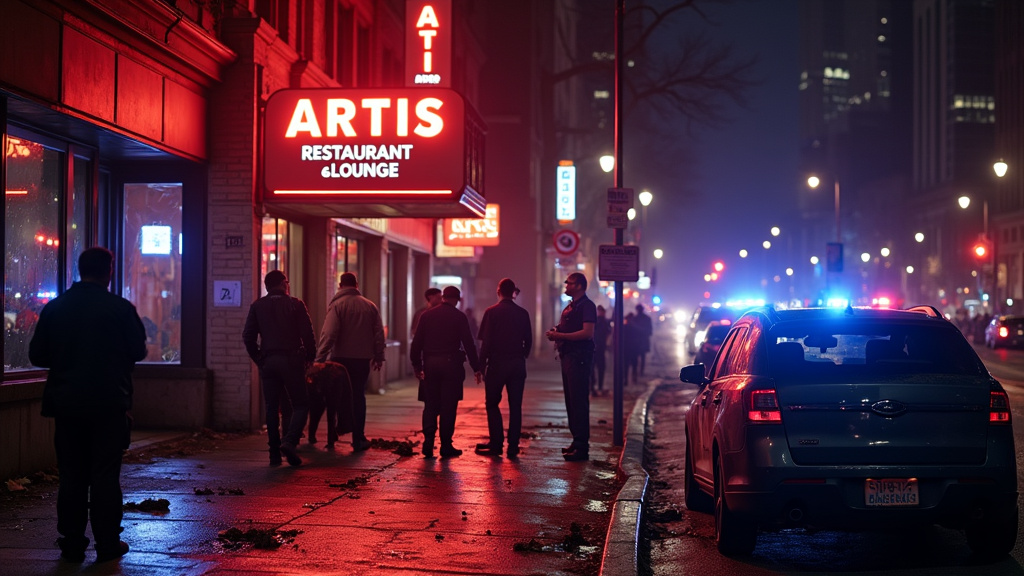
Furthermore, the “crawl” model itself serves as a low-barrier-to-entry marketing strategy. Unlike a traditional food festival, which often requires ticketed entry and physical barriers, a bar crawl relies on the organic fluidity of the street. It turns the entire corridor into an open-air venue, increasing the visibility of the participating storefronts to passersby who might otherwise never venture past their usual neighborhood haunts. This creates a “halo effect,” where the businesses involved see an immediate uptick in both revenue and brand recognition that persists long after the event concludes.
The Role of Cultural Anchors
Kie-Gol-Lanee is a perfect example of a cultural anchor. While some parts of Chicago’s dining scene are dominated by trends that fade within a year, the presence of deeply rooted, culturally specific cuisine provides the neighborhood with its “soul.” By anchoring the crawl with such an establishment, the event gains credibility. It ensures the crawl isn’t perceived as a “fratty” or purely alcohol-focused event, but rather a culinary tour. This distinction is vital for long-term neighborhood growth. It invites the “foodie” crowd, whose spending habits tend to favor quality and frequency over low-cost volume.
Mothers Ruin, conversely, provides the high-energy, high-volume counterpoint. Its ability to manage large crowds while maintaining high-quality cocktail standards is the engine that keeps the movement of people flowing through the corridor. The juxtaposition of these two business models—the high-tempo bar and the deliberate, flavor-focused restaurant—is what makes the Logandale corridor a comprehensive “night out” destination rather than just a place to grab a quick drink.
Future Predictions: The Growth of the Corridor
Looking ahead, the success of the 2nd Annual Logandale Restaurant & Bar Crawl sets a precedent for further expansion. We can expect to see more businesses clamoring to open within this specific Central Park-to-Fullerton window. Developers and real estate investors are increasingly looking for this type of “neighborhood branding” to justify higher commercial rents and long-term lease investments. The crawl is the proof of concept that retailers and restaurateurs need to see before committing to a location.
However, there is a challenge on the horizon: the preservation of the neighborhood’s unique, eclectic character. As the “Logandale” name gains traction, the risk of corporate homogenization increases. To maintain the growth trajectory seen on August 30, stakeholders must ensure that future iterations of the crawl prioritize local, independent ownership. The secret sauce of the Milwaukee Avenue corridor is its authenticity. If that is sacrificed for generic national chains, the very identity that the crawl was created to promote will dissolve.
FAQ: People Also Ask
What does the “Logandale” name imply?
Logandale is a colloquial, community-driven term used to describe the transition zone between the Logan Square and Avondale neighborhoods. It specifically refers to the segment of Milwaukee Avenue that benefits from the shared cultural and economic energy of both areas.
Why are events like the Logandale Crawl important for the local economy?
They act as “demand aggregators,” pulling large groups of people into a specific district who might otherwise spread out across the city. This concentrated foot traffic benefits not just the participating venues, but the surrounding businesses that see increased visibility.
How does the location choice of Central Park to Fullerton affect the event?
This specific stretch acts as a vital bridge. By focusing on this corridor, the event connects the northern end of Logan Square to the burgeoning southern edge of Avondale, effectively creating a continuous, walkable “destination zone” that feels cohesive to visitors.
Will there be a 3rd Annual Logandale Restaurant & Bar Crawl?
While official organizers have not released a formal schedule for next year, the commercial success of the August 30 event and the growing “Logandale” brand suggest that an annual recurrence is highly likely and financially viable.