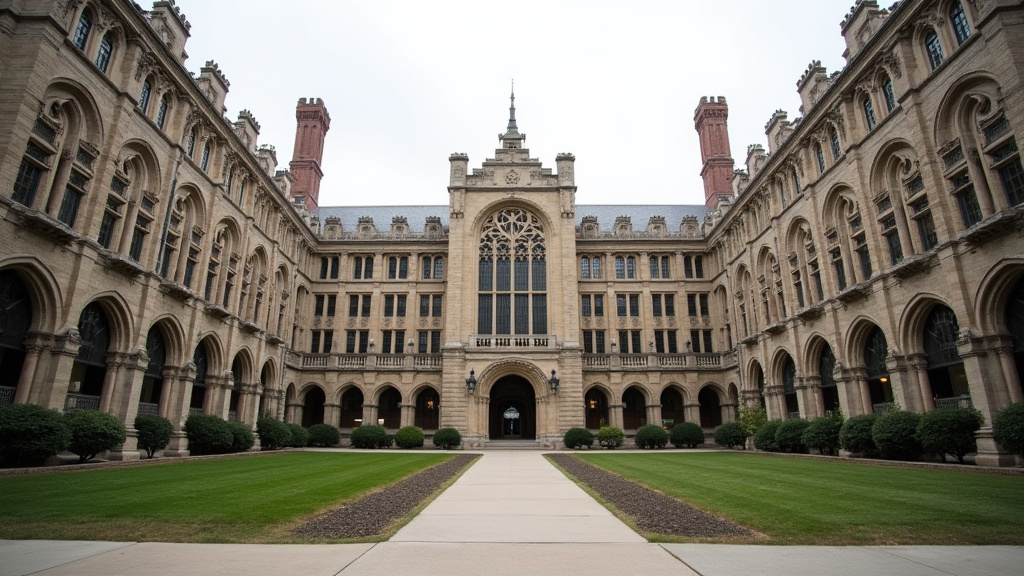
As the sweltering heat of August wanes, Chicago enters its most robust culinary period of the year. September serves as a vibrant bridge between the outdoor festival chaos of summer and the cozy, indoor-centric dining of winter. This year, the city’s calendar is packed with events that celebrate both local neighborhood heritage and international gastronomic trends, cementing Chicago’s status as a top-tier global food destination.
Key Highlights
- Heritage Celebration: The Taste of Polonia remains Chicago’s longest-running festival, drawing hundreds of thousands to the Copernicus Center for authentic pierogi and cultural immersion.
- Coastal Imports: The Great American Lobster Fest at Navy Pier brings Atlantic seafood culture to Lake Michigan, featuring live music and massive lobster boils.
- Oktoberfest Traditions: Neighborhood events, headlined by the St. Alphonsus Oktoberfest in Lakeview, continue to drive local beer tourism and support neighborhood breweries.
- Economic Vitality: These festivals play a critical role in sustaining Chicago’s hospitality sector during the shoulder season, driving tourism revenue when traditional summer travel begins to taper off.
A Culinary Map of Chicago’s September Festival Season
The festival season in Chicago is not merely about consumption; it is an organized expression of the city’s identity. September 2026 brings a unique confluence of events that highlight the intersection of tradition, economics, and modern gastronomic innovation. As urban planners and the Chicago Department of Cultural Affairs and Special Events (DCASE) continue to refine the festival circuit, these events have evolved from simple neighborhood block parties into significant economic drivers that bolster the city’s tourism and hospitality infrastructure.
The Taste of Polonia: A Cultural Anchor
Held annually over the Labor Day weekend at the historic Copernicus Center in Jefferson Park, the Taste of Polonia is more than a food festival; it is a vital celebration of Chicago’s deep Polish roots. With over 40,000 attendees annually, the event serves as a bellwether for the city’s cultural preservation efforts. Visitors are treated to authentic delicacies, including fresh-made pierogi, golabki (stuffed cabbage), and kielbasa, all prepared by local culinary institutions. Beyond the food, the festival’s commitment to live music and cultural programming creates a multi-generational space where history is kept alive through the palate. For the 2026 iteration, organizers are focusing on highlighting the intergenerational transfer of culinary knowledge, featuring demonstrations from some of Chicago’s oldest family-run Polish restaurants.
Great American Lobster Fest: Bringing the Coast to the Midwest
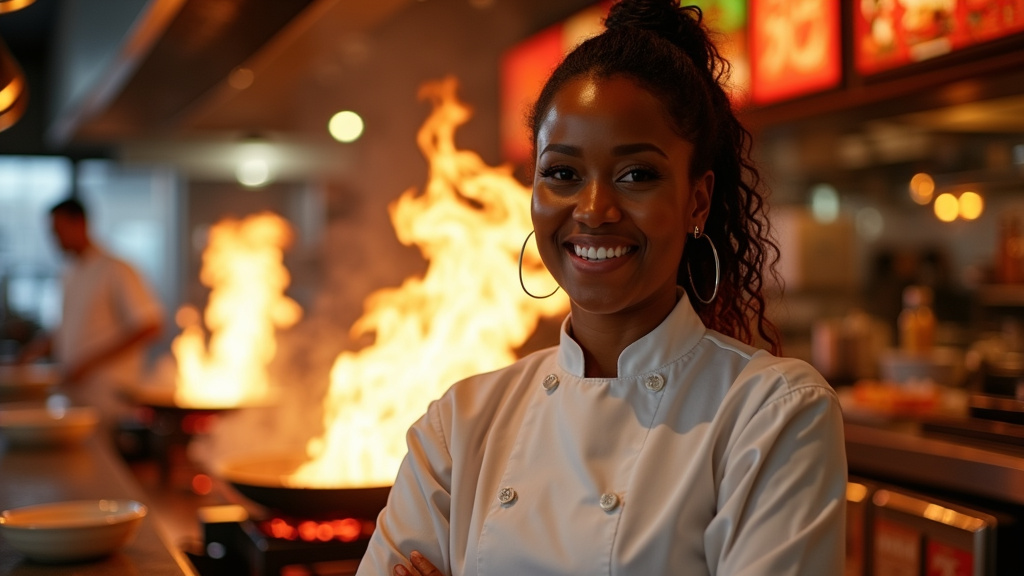
Transitioning from the heritage-focused festivals to the sheer spectacle of the Great American Lobster Fest at Navy Pier, attendees experience a sharp contrast in theme. This event is a study in logistics and supply chain efficiency. Bringing fresh, sustainably sourced lobster from the Atlantic coast to the heart of the Midwest in a high-volume setting is a logistical marvel. The festival, which typically commands thousands of pounds of lobster throughout the weekend, showcases the growing demand for premium seafood experiences in inland cities. It highlights how Chicago, via its centralized distribution hub, can compete with coastal cities in delivering high-end, festival-style dining experiences. The integration of live music and sprawling lakefront views adds a layer of ‘experiential dining’ that is increasingly becoming the standard for modern urban festivals.
The Oktoberfest Renaissance in Lakeview
No September guide to Chicago would be complete without acknowledging the explosion of Oktoberfest celebrations. While many neighborhood bars host their own iterations, the St. Alphonsus Oktoberfest in Lakeview stands as the premier event. By fusing the traditional German heritage festival with the modern craft beer movement that Chicago has mastered, the event creates a unique atmosphere. This year’s focus is on locally sourced ingredients—from the sausages provided by regional butchers to the lagers crafted by local breweries. This hyper-local approach not only reduces the carbon footprint of the event but also provides direct support to the local manufacturing and artisanal economy. These celebrations serve as a vital transition point, prepping the city’s palate for the heavier, heartier flavors of the coming autumn.
Secondary Angle: The Economics of the Shoulder Season
One often overlooked aspect of these festivals is their role in ‘shoulder season’ economics. For Chicago’s tourism industry, the period between Labor Day and the arrival of harsh winter weather is critical. By hosting high-profile, recurring events like Lobster Fest and Oktoberfest, the city ensures that hotel occupancy rates and restaurant traffic remain stable. These events create a ‘pull factor’ for regional tourism, encouraging residents from surrounding states—Wisconsin, Indiana, and Iowa—to visit for the weekend. This creates a measurable multiplier effect, where tourism dollars spent at the festivals bleed into retail, public transit, and independent dining establishments across the city.
Secondary Angle: Sustainability and the Future of Festival Dining
Modern food festivals are under increasing pressure to address sustainability, and Chicago’s 2026 calendar reflects this shift. From compostable serveware at the Taste of Polonia to stricter waste-management protocols at Navy Pier, the organizers are moving away from the ‘disposable’ model of the past. There is also a concerted effort to source ingredients from within a 200-mile radius where possible, reducing the environmental impact of logistics. This evolution is not just good for the planet; it is a branding requirement. Modern consumers, particularly Gen Z and Millennial attendees, are increasingly making attendance decisions based on the ethical footprint of the event.
Secondary Angle: Chicago’s Evolving Culinary Identity
Finally, these festivals reflect the ongoing evolution of Chicago’s identity as a ‘Global Kitchen.’ While cities like New York or Los Angeles are often cited for their diversity, Chicago’s festival scene demonstrates that cultural integration remains the city’s greatest strength. The ability to seamlessly pivot from a Polish cultural celebration to a New England-style seafood festival, and finally to a Bavarian beer tradition, is emblematic of the city’s ‘melting pot’ reality. Each festival is a localized microcosm of the larger global trends that continue to shape the way we eat, drink, and socialize in an urban environment.
FAQ: People Also Ask
Q: What is the best way to travel to these festivals in Chicago?
A: For events like the Great American Lobster Fest at Navy Pier, public transit is highly recommended, as parking is limited and expensive. The CTA ‘L’ train system provides efficient access to most festival locations, with bus connections bridging the gaps to neighborhood-specific events like those in Lakeview.
Q: Are these food festivals family-friendly?
A: Yes. The Taste of Polonia and similar heritage festivals in Chicago are designed as family-centric events, typically featuring kids’ zones, cultural performances, and non-alcoholic beverage options alongside the standard food stalls.
Q: How can vendors apply to participate in these festivals?
A: Most of these festivals have an open application process that begins in early spring. Interested vendors should check the official websites of the event organizers or the Chicago DCASE website to view permit requirements, health department regulations, and vendor fee structures for the upcoming year.