The City of Chicago’s Office of Emergency Management and Communications (OEMC) has issued a stern advisory as the city prepares for a high-intensity weekend, with six major events converging simultaneously across the metropolitan area. Residents and visitors alike are being cautioned to prepare for extensive street closures, significant public transit delays, and elevated safety protocols as the Chicago Triathlon, Bulls Fest, West Loop Art Fest, the India Independence Day Parade, the Mets vs. White Sox series, and Lakeview Taco Fest all run in parallel. This convergence creates a unique logistical challenge for the city’s infrastructure, balancing the vibrancy of cultural engagement with the necessity of urban flow management.
The Logistics of a Crowded Metropolis
The OEMC has officially signaled that this weekend, specifically centered around August 24 and 25, 2024, will be one of the most operationally complex of the late summer. The primary concern is not just the attendance numbers—which are expected to reach tens of thousands across these venues—but the geographic spread. Unlike events contained within a single park or stadium, these activities are dispersed across the Loop, West Loop, United Center, Lakeview, and the South Side. Commuters who usually navigate these areas on Saturday and Sunday are advised to avoid personal vehicles, with city officials strongly encouraging the use of CTA trains and buses to circumvent the anticipated gridlock.
The Athletic Challenge: Chicago Triathlon
The Chicago Triathlon serves as the centerpiece for the weekend’s traffic management plan. The event, which spans across Grant Park and moves north through the city, necessitates the closure of major arterial roads, including segments of Lake Shore Drive and Michigan Avenue. For athletes and spectators, this means localized congestion beginning as early as Friday evening for setup and continuing through Sunday afternoon. The race route, a staple of the city’s summer athletic calendar, demands a sterile zone for runner and cyclist safety, which inherently restricts the movement of ride-shares and delivery services in the downtown core.
Cultural Vibrancy at Bulls Fest and Parade Routes
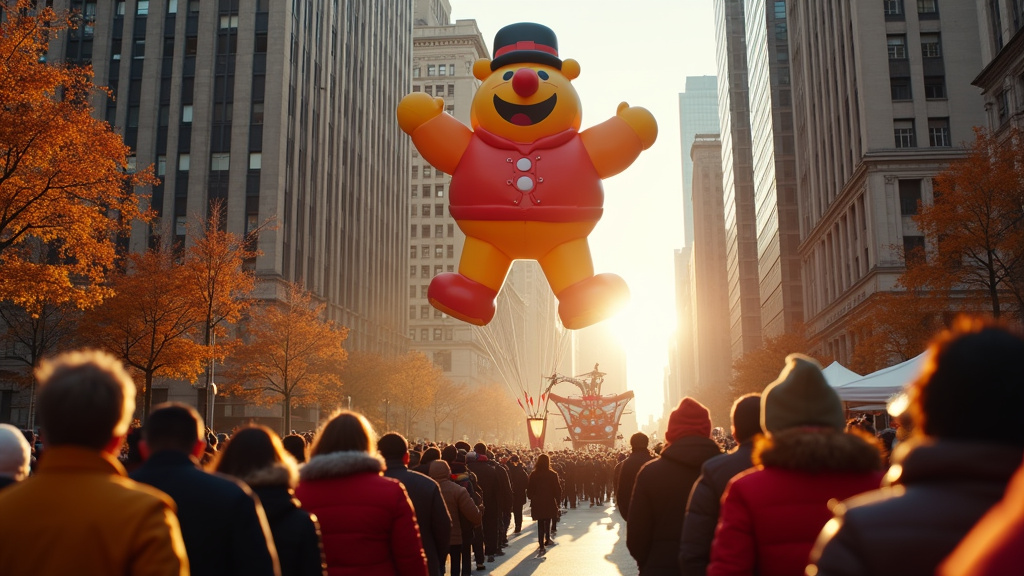

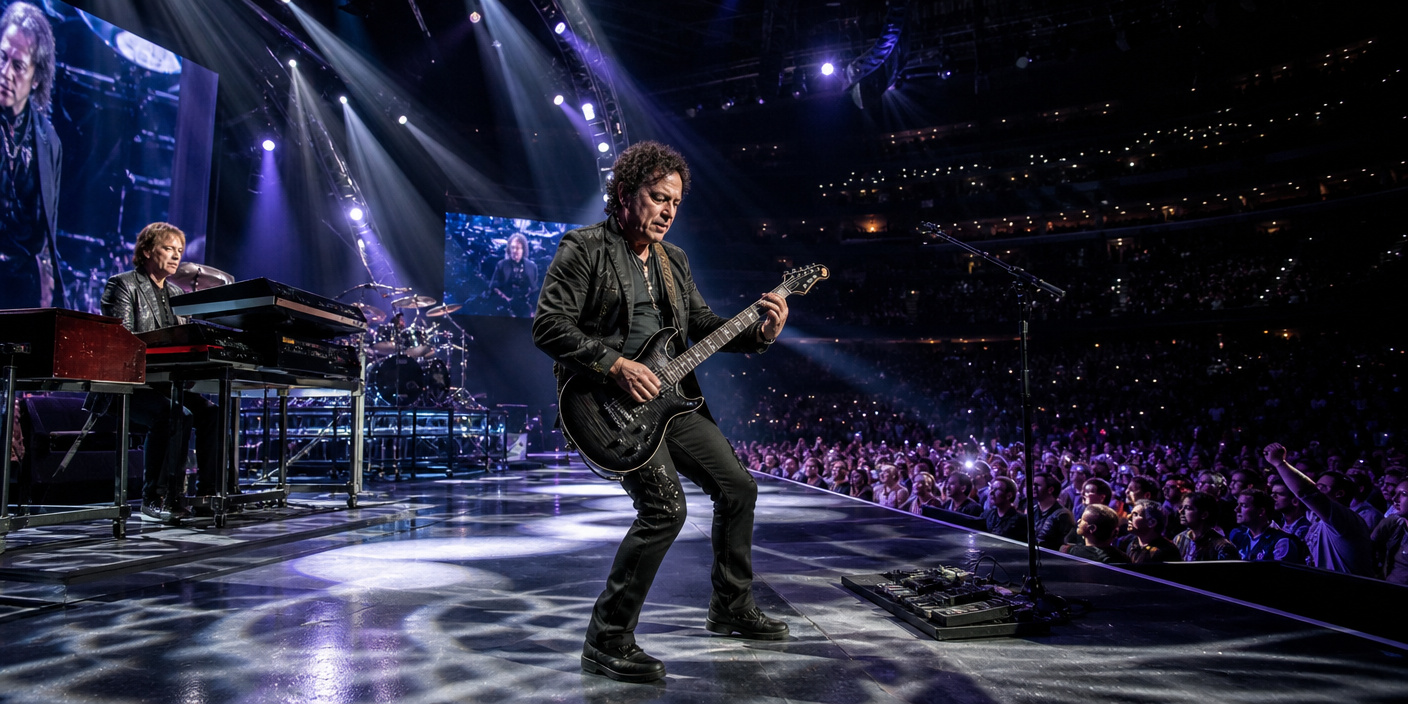
Simultaneously, the United Center will host Bulls Fest, an annual celebration of basketball culture, street art, and community engagement. The festival draws massive crowds to the Near West Side, putting pressure on parking infrastructure that is already taxed by the surrounding residential density. Just miles away, the India Independence Day Parade will introduce a dynamic, moving crowd variable. Parades inherently disrupt traffic flow, and the OEMC warns that while these celebrations are community-focused, they require rolling street closures that can create cascading delays for city buses and emergency response vehicles.
Neighborhood Festivals: West Loop and Lakeview
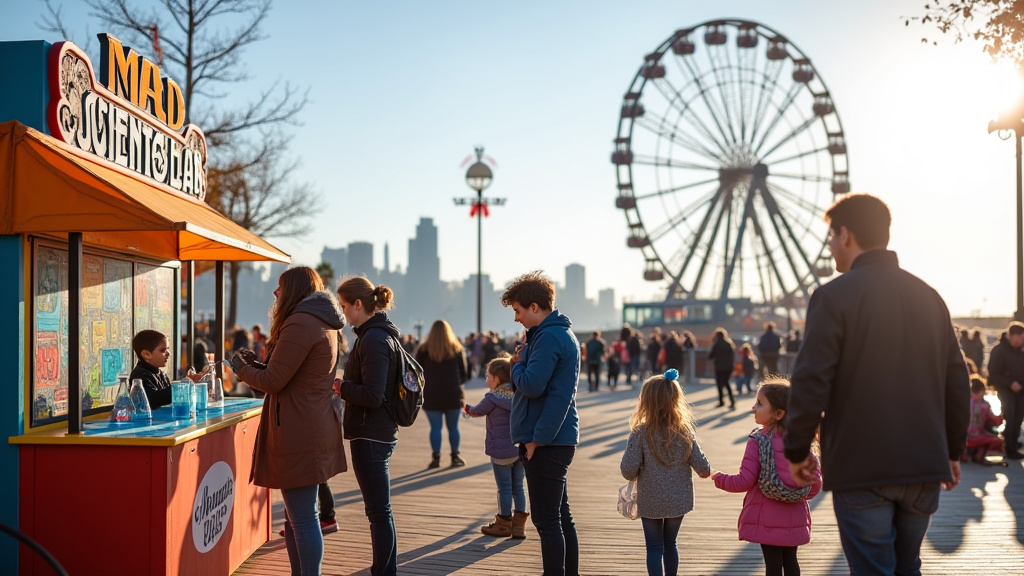
The cultural fabric of Chicago is on full display with the West Loop Art Fest and Lakeview Taco Fest. The West Loop Art Fest highlights the district’s transformation into an artistic hub, closing blocks of Fulton Market and surrounding streets, effectively neutralizing normal traffic patterns in the neighborhood known for its high volume of restaurants and nightlife. Similarly, the Lakeview Taco Fest, situated in the bustling Southport Corridor, brings significant pedestrian traffic to a retail-heavy district. These events, while beneficial for local businesses and the economy, create ‘islands’ of congestion where vehicular traffic essentially ceases, forcing city logistics to reroute transit lines and delivery networks.
Sports and Regional Economic Impact
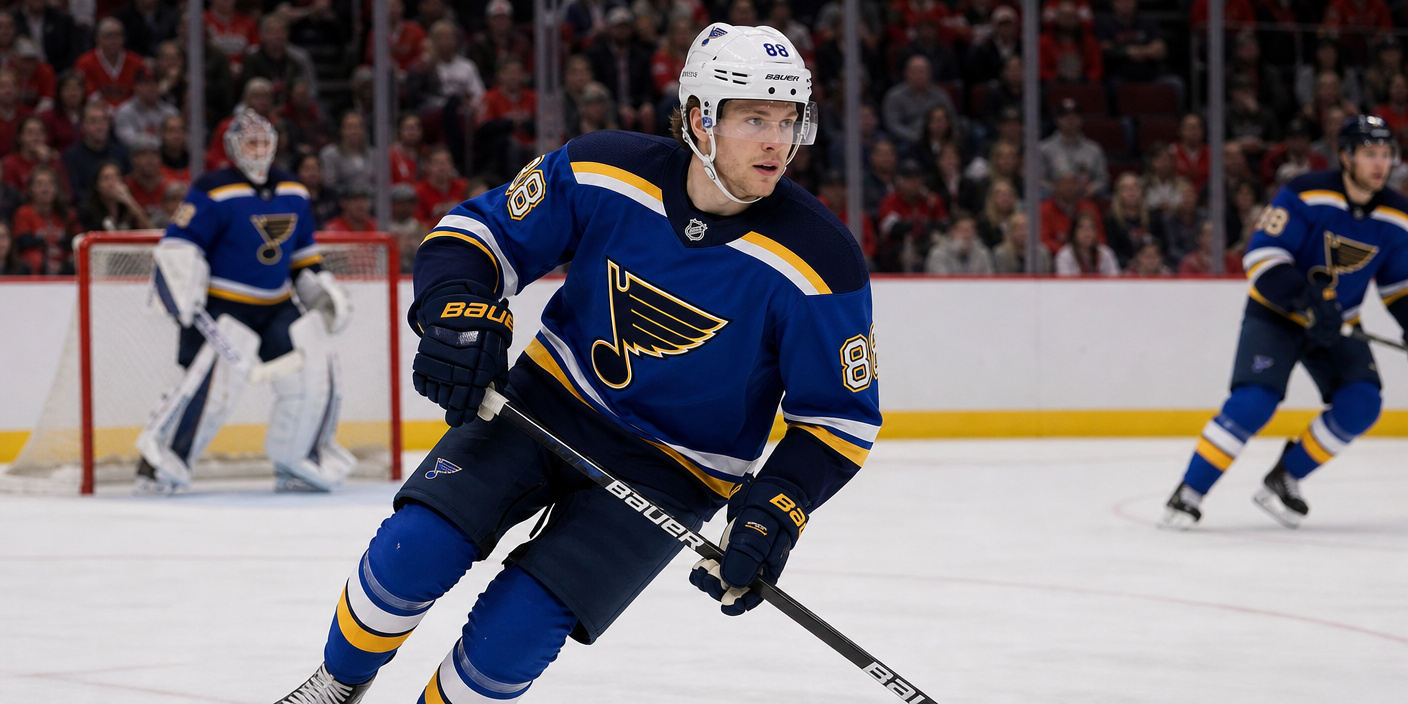
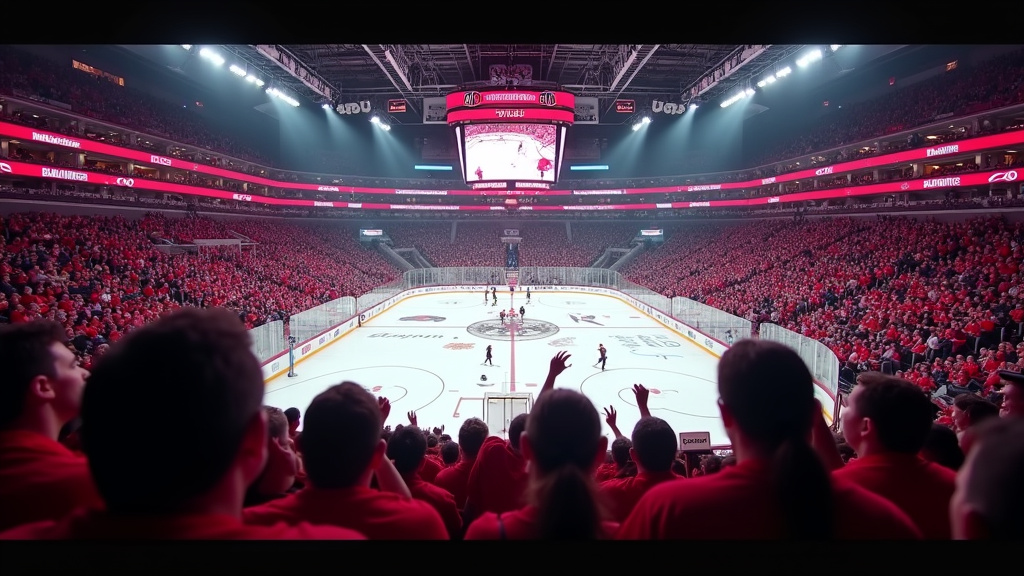
Adding to the mix, the New York Mets are in town to play the Chicago White Sox at Guaranteed Rate Field. Sports series are predictable in their traffic output—post-game surges and pre-game tailgating—but when combined with the other city-wide events, they strain the city’s overall transit capacity. This accumulation of events highlights Chicago’s massive economic engine. Major public events act as a catalyst for hotel occupancy, restaurant revenue, and general retail spending, providing a boost to the local economy that often outweighs the inconvenience of a slower commute. However, for a city already managing complex infrastructure projects, the weekend acts as a stress test for current public transportation systems.
Proactive Safety and Travel Recommendations
The OEMC emphasizes that safety is the primary driver behind these advisories. With heavy pedestrian density, drivers are urged to remain vigilant for cyclists, runners, and parade-goers. The city has deployed extra resources to monitor traffic cameras and synchronize lights at major intersections, but the effectiveness of these measures relies on resident cooperation. For those navigating the city, utilizing the ‘Chicago OEMC’ app or monitoring social media alerts is recommended to receive real-time updates on road closures as they evolve.
FAQ: People Also Ask
1. Which specific roads are closed for the Chicago Triathlon?
The Triathlon typically forces the closure of the southbound lanes of DuSable Lake Shore Drive from Hollywood to Randolph, along with various streets within Grant Park and sections of the downtown Loop. You should check the official Chicago Triathlon course map for real-time updates.
2. Is public transit the best way to travel this weekend?
Yes, the CTA is highly recommended. The ‘L’ train system is largely immune to the surface-level road closures affecting cars, buses, and ride-shares, making it the most reliable method for navigating between the West Loop, Lakeview, and the Loop.
3. How do these events impact ride-share pricing and availability?
High demand combined with limited road access often leads to ‘surge pricing’ and longer wait times. Expect pick-up and drop-off points to be pushed several blocks away from the main event sites due to police-mandated perimeter closures.