The Taylor Street Little Italy Festival makes its highly anticipated return today, August 13, transforming Chicago’s historic University Village into a bustling celebration of heritage. Running through August 16, the event showcases the neighborhood’s deep-rooted Italian-American culture, bringing a vibrant array of food, community programming, and traditional festivities to the corridor of Taylor Street between Ashland Avenue and Throop Street.
Key Highlights
- Dates: The festival runs from August 13 through August 16.
- Location: The celebration is centralized on Taylor Street, specifically stretching between Ashland Avenue and Throop Street in University Village.
- Community Focus: The event highlights the neighborhood’s deep Italian-American roots, offering programming that connects past traditions with contemporary urban life.
- Cultural Offerings: Attendees can expect a mix of authentic culinary experiences, cultural programming, and live community-focused entertainment.
Revitalizing the Heart of Little Italy
The return of the Taylor Street Little Italy Festival is more than a seasonal event; it acts as a cultural anchor for a neighborhood that has navigated significant demographic and structural shifts over the past century. As Chicago evolves, University Village remains a poignant reminder of the wave of Italian immigrants who settled on the Near West Side in the late 19th and early 20th centuries. By reclaiming Taylor Street for a four-day celebration, the festival provides a tangible link to this history, allowing new generations of residents and visitors to engage with the traditions that defined this historic district.
A Legacy Written in Stone and Sauce
At the core of the festival is an emphasis on Italian-American identity. This is not merely a carnival; it is a community-driven retrospective. The culinary landscape of Taylor Street has long been legendary, and during the festival, local restaurateurs and vendors curate menus that honor the regional cuisines brought over by Italian immigrants. From the robust, garlic-heavy sauces of Southern Italy to the delicate pastries that became staples of the local bakery scene, the food served during this window serves as a primary vehicle for cultural transmission. The festival provides a venue where the “sauce-making” traditions of the past are shared, creating a sensory archive of the neighborhood’s resilience.
The Evolution of University Village

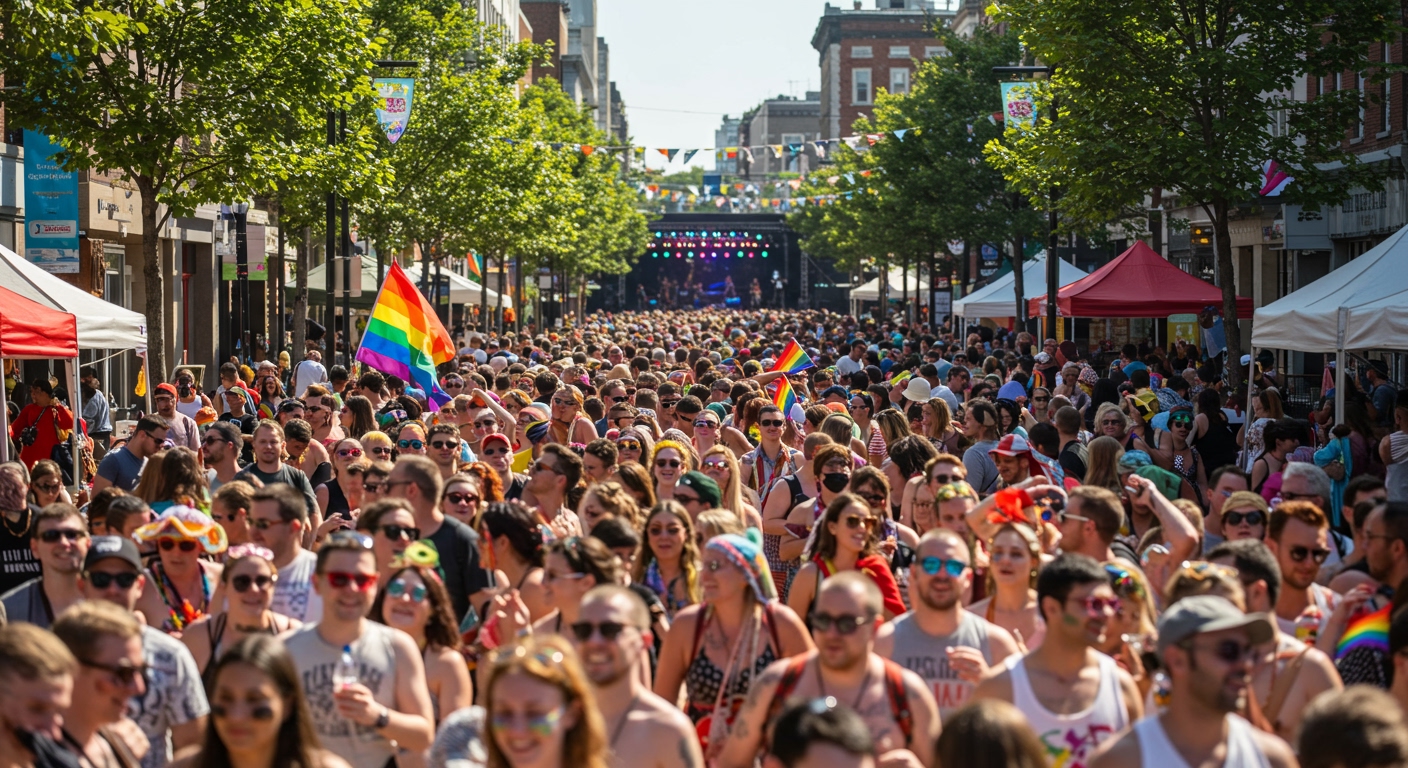
It is impossible to discuss the festival without acknowledging the changing footprint of University Village. Once a dense, immigrant-heavy enclave, the area has undergone extensive gentrification and development, largely driven by the expansion of the University of Illinois Chicago (UIC) and subsequent real estate booms. The festival serves as a critical “bridge” event. It reminds long-term residents and new arrivals alike that the neighborhood’s foundations are built on ethnic heritage. By occupying the streets between Ashland and Throop, the festival forces a pause in the modern, rapid pace of urban life, creating a pedestrian-friendly “village” atmosphere that mirrors the neighborhood’s historic, tighter-knit layout.
Economic and Social Impact
Beyond the cultural nostalgia, the festival serves a distinct economic function. Street festivals are a cornerstone of Chicago’s summer economy, driving foot traffic to brick-and-mortar establishments along the Taylor Street corridor. For local business owners, the influx of attendees during these four days provides a necessary revenue boost, while also offering a low-barrier opportunity to market their services to a broader citywide audience. Furthermore, the programming—which often includes local musicians, family activities, and community outreach—fosters a sense of social cohesion that is vital for neighborhood stability. In a city as vast as Chicago, these hyper-local events are the glue that maintains a sense of community identity.
Looking Toward the Future
As we look at the trajectory of the Taylor Street Little Italy Festival, the challenge lies in balance: maintaining authenticity while appealing to a changing demographic. The success of the festival this year, running from August 13 through August 16, will likely be a bellwether for how heritage-focused events perform in the modern era. Will it shift toward a more modern, diverse representation of the neighborhood, or will it double down on the traditional “Little Italy” iconography? Regardless of the direction, the commitment to utilizing the physical space of Taylor Street ensures that the neighborhood’s history remains visible and vibrant, rather than relegated to the history books.
FAQ: People Also Ask
Q: What are the specific geographic boundaries for the festival?
A: The Taylor Street Little Italy Festival is localized specifically on Taylor Street, occupying the stretch between Ashland Avenue and Throop Street in the University Village neighborhood.
Q: How long does the festival last?
A: The event spans four days, officially beginning on August 13 and concluding on August 16.
Q: Is this festival considered a major Chicago cultural event?
A: Yes, the festival is a significant event within the Chicago Department of Cultural Affairs’ broader summer programming, serving as a vital celebration of the city’s Italian-American heritage and contributing to the economic vitality of the Near West Side.
Q: Does the festival reflect the current demographic of University Village?
A: The festival intentionally acts as a cultural bridge, honoring the historical Italian-American roots of the neighborhood while engaging with the modern, diverse community that currently resides in and surrounds University Village.