The promotional apparel landscape has officially entered a new era of nostalgia-meets-functionality, as revealed during the highly anticipated ASI Show in Chicago 2026. Industry leaders and designers have collectively pivoted away from the heavy-duty, oversized fits of previous years, embracing a streamlined, early 2000s-inspired aesthetic that prioritizes agility and comfort. This shift is not merely stylistic; it represents a fundamental change in how corporations view merchandise, moving from bulky giveaways to wearable assets that employees and clients actually want to incorporate into their daily wardrobes.
Key Highlights
- The Y2K Aesthetic Shift: Design cues from the early 2000s, including slim-fit silhouettes and bold, experimental patterns, are dominating the 2026 promotional lineup.
- Thin-Weight Revolution: There is a marked industry-wide reduction in fabric GSM (grams per square meter), prioritizing lightweight, breathable textiles over heavy fleece and traditional cotton weights.
- Functional Layering: Apparel strategies are shifting toward modular, multi-layer systems designed for the hybrid, flexible work environments that define the modern professional landscape.
- Data-Driven Sourcing: The move to thinner fabrics is partially fueled by logistics and supply chain optimization, allowing for lower shipping weights and more sustainable production methods.
Navigating the New Promotional Apparel Frontier
The findings from the ASI Show Chicago 2026 suggest that the era of the ‘one-size-fits-all’ heavy cotton hoodie is coming to a close. Brands are increasingly demanding apparel that bridges the gap between ‘corporate uniform’ and ‘retail fashion.’ This pivot to early 2000s influence is arguably the most significant aesthetic change the industry has seen in a decade. By moving toward slimmer cuts, cleaner lines, and the specific fabrication techniques synonymous with the Y2K era, manufacturers are successfully distancing themselves from the ‘cheap promo’ stigma.
The Rise of Lightweight Textiles
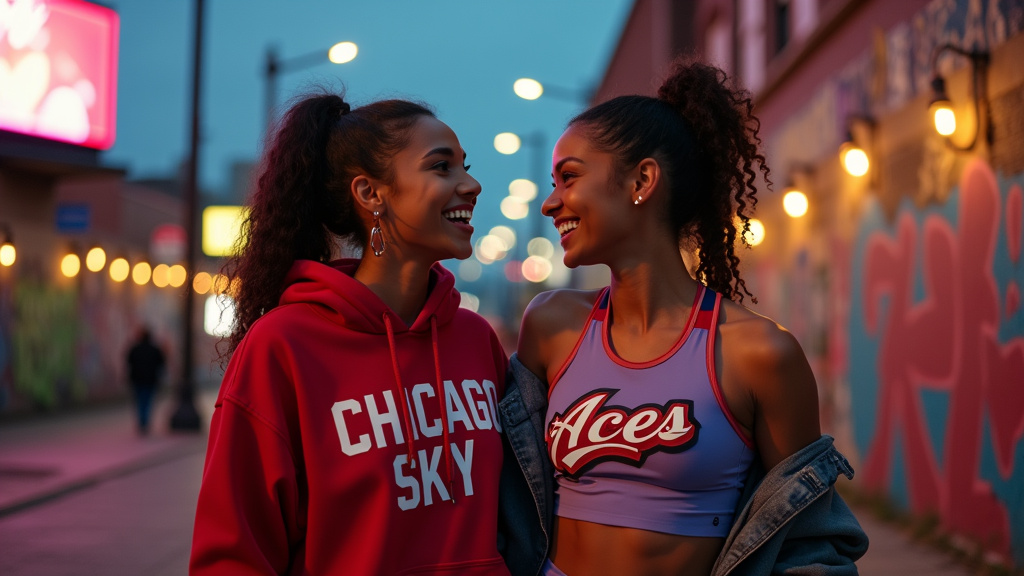

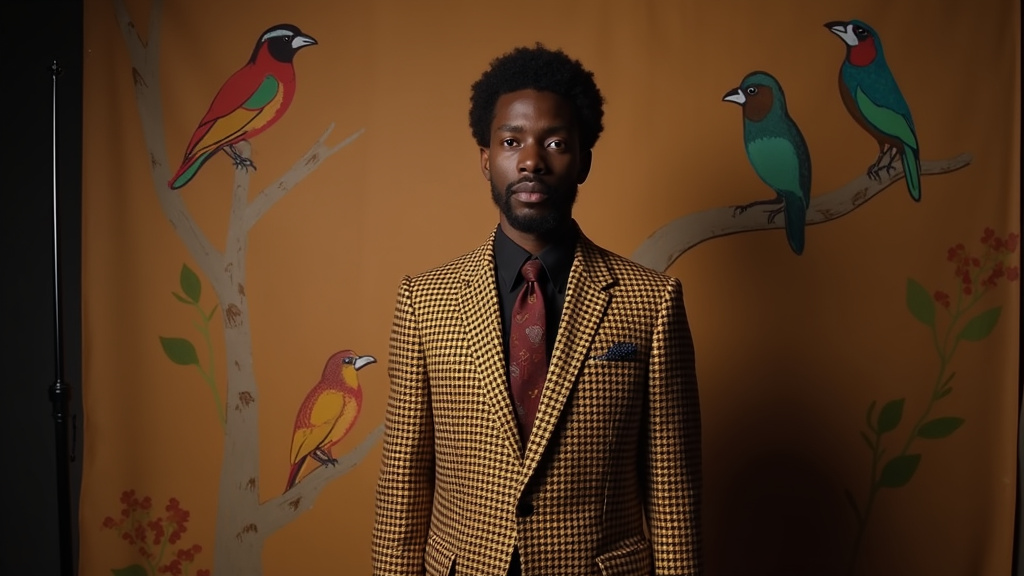
One of the most technically significant developments observed at the Chicago convention was the reduction in fabric weights. Industry suppliers are reporting a distinct preference for high-performance blends that offer the softness and ‘drape’ associated with vintage fashion, without the durability issues of low-quality materials. This is not about cutting costs on raw materials; rather, it is a sophisticated play on textile engineering. By utilizing advanced knitting processes, manufacturers are creating fabrics that feel lighter against the skin while maintaining structural integrity. For the corporate buyer, this means a product that is easier to wear for long periods—whether in a home office or during a commute—and ultimately more likely to be kept and reused.
The Hybrid Work Influence: Functional Layering
The move toward functional layering is a direct response to the hybrid work model. As employees fluctuate between office environments and remote setups, the need for clothing that can adapt to varying temperatures and social contexts has never been higher. The 2026 trends emphasize pieces that serve as a base or mid-layer—think moisture-wicking tees paired with technical quarter-zips or lightweight shells. This layering philosophy allows companies to provide cohesive, branded sets that feel more like a comprehensive kit than a collection of disparate items. This strategy also increases brand impressions, as layers are frequently worn in public settings, extending the marketing reach far beyond the corporate campus.
Economic and Supply Chain Implications
Beyond the aesthetic and functional appeal, this pivot addresses significant logistical pressures. Shipping costs, which have been a major pain point for the promotional industry, are directly tied to weight. By shifting to thinner, lighter fabrications, companies can fit more units into standard shipping containers, effectively reducing their carbon footprint and their logistics spend. This alignment of sustainability, economic efficiency, and trend-conscious design has created a ‘perfect storm’ in the promotional products market. Manufacturers at the ASI Show indicated that this strategy is not a passing fad but a long-term adjustment to the global supply chain realities that will govern the remainder of 2026 and likely extend into 2027.
Future-Proofing the Corporate Closet
What does this mean for the end-user? The promotional apparel of 2026 is designed to disappear into a high-end wardrobe. The shift away from the thick, boxy ‘company store’ aesthetic towards a curated, functional, and culturally relevant look is enabling brands to reclaim the value of their merchandise. By aligning with early 2000s fashion influences, promo companies are tapping into a massive cultural trend that appeals to a multi-generational workforce, ensuring that the gear is viewed as a perk rather than a giveaway. As we look ahead to the rest of the year, expect to see this ‘thin and layered’ approach dictate everything from the types of inks used for decoration (which now require more flexibility to move with thinner fabrics) to the overall packaging and distribution strategies of major industry players.
FAQ: People Also Ask
Q: Why is the promotional industry returning to early 2000s fashion influences?
A: The shift to Y2K aesthetics is a response to broader consumer trends in retail fashion. By adopting these styles, promotional apparel becomes more relevant and desirable for younger demographics, transforming branded items into ‘streetwear’ that employees are proud to wear outside of work.
Q: Are thinner fabric weights less durable for branded apparel?
A: Not necessarily. The industry is utilizing advanced textile blends that offer high durability while maintaining a lighter ‘hand-feel.’ This technology ensures the garment keeps its shape and branding quality while feeling significantly more comfortable for the wearer.
Q: How does functional layering benefit corporate clients?
A: Functional layering provides greater utility for the end-user, especially in hybrid work environments. By providing modular pieces that can be combined or worn separately, companies increase the longevity and ‘wearability’ of their apparel, which directly increases the number of brand impressions gained over the life of the garment.