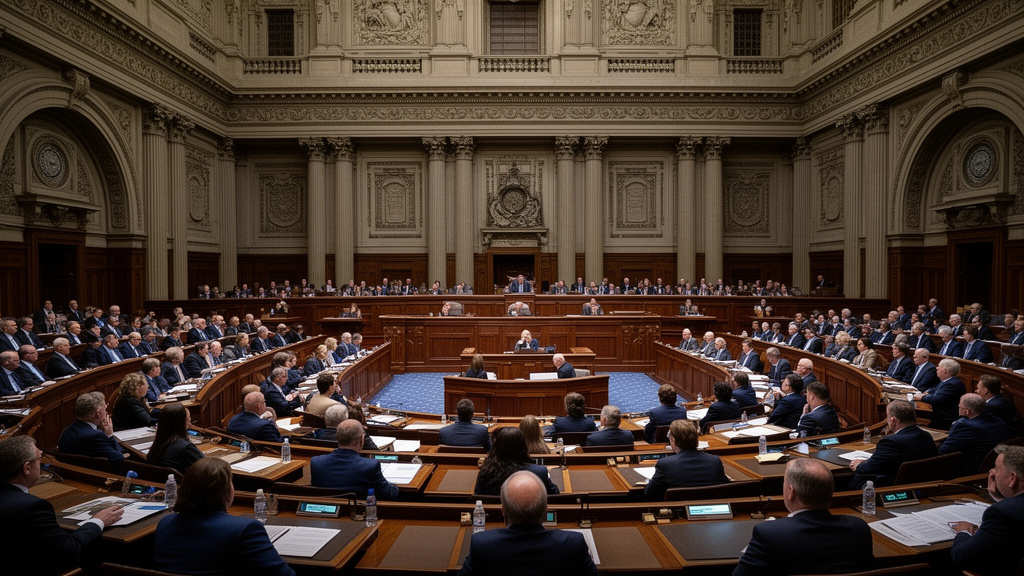
The Chicago City Council is set to convene on Wednesday, with a packed agenda that includes crucial votes on police settlement payouts, the potential sale of the city’s parking meter assets, and discussions surrounding public safety initiatives. These high-stakes decisions carry significant financial and social implications for the city and its residents.
Key Highlights:
- Consideration of substantial police settlement payouts, addressing ongoing legal claims.
- Debate and potential vote on the sale of the city’s stake in its parking meter operation.
- Discussions and policy proposals aimed at enhancing public safety across Chicago.
- Review of other city governance matters and departmental reports.
City Council Grapples with Fiscal and Safety Crossroads
Chicago’s legislative body faces a critical juncture as it prepares to deliberate on a series of pressing issues that will shape the city’s financial future and the safety of its communities. The meeting agenda highlights the council’s dual focus on addressing long-standing legal liabilities and pursuing strategic financial opportunities, all while navigating the complex landscape of public safety concerns.
Police Settlements: Addressing Legal and Financial Burdens




A significant portion of the council’s attention will undoubtedly be directed towards the police settlement payouts. These settlements often arise from lawsuits alleging misconduct or excessive force by police officers. While necessary to resolve legal disputes and provide compensation to victims, these payouts represent a considerable financial burden on the city’s budget. The council’s deliberations will involve scrutinizing the details of each settlement, assessing the financial implications, and ensuring accountability within the Chicago Police Department. The decisions made here could influence future policing practices and the city’s approach to managing legal risks associated with law enforcement.
The Parking Meter Sale: A Financial Gamble?
The potential sale of the city’s parking meter revenue stream is another contentious item on the agenda. In 2008, Chicago privatized its parking meters for 75 years, a deal that has since been widely criticized for its unfavorable terms for the city. Now, the council is considering whether to sell its remaining stake or renegotiate terms. Proponents of a sale argue it could provide a substantial influx of cash that could be used to address budget deficits, invest in infrastructure, or fund other critical city services. However, critics warn that such a sale would forfeit a long-term revenue source, potentially shortchanging future generations and raising questions about the transparency and fairness of the original deal and any potential new one. The debate is expected to be intense, weighing immediate financial gains against long-term fiscal stability.
Public Safety Initiatives: Strategies for a Safer City
In parallel with financial matters, the council will also engage in vital discussions on public safety. With rising concerns about crime rates in various parts of the city, the council is expected to review and potentially approve new strategies and allocate resources aimed at enhancing safety for all residents. This could involve funding for community policing programs, investments in crime prevention technology, or policy changes designed to address the root causes of crime. The effectiveness of current public safety measures and the exploration of innovative approaches will be central to these discussions.
FAQ: People Also Ask
What are police settlements and why do they impact the city budget?
Police settlements are agreements reached between the city and individuals or groups who have filed lawsuits against the Chicago Police Department, typically alleging misconduct or civil rights violations. These settlements often involve financial compensation to the plaintiffs. They impact the city budget directly as the payouts are funded from public money, diverting resources that could otherwise be used for city services or investments.
What is the history of Chicago’s parking meter deal?
In 2008, the City of Chicago entered into a 75-year lease agreement with Chicago Parking Meter LLC (a subsidiary of Morgan Stanley) to operate its lucrative parking meter system. The city received $1.15 billion upfront, but critics argue the terms were extremely unfavorable, significantly reducing the city’s potential long-term revenue from meter fees and fines.
What are some common public safety initiatives cities implement?
Common public safety initiatives include increasing police presence in high-crime areas, implementing community policing programs to build trust between law enforcement and residents, investing in technology like surveillance cameras and gunshot detection systems, supporting youth outreach and intervention programs, and addressing social determinants of crime such as poverty and lack of opportunity.
Who makes the final decision on these council matters?
The final decisions on matters brought before the Chicago City Council are typically made through a vote by the City Council members, often requiring a simple majority or a supermajority depending on the specific ordinance or resolution. The Mayor also plays a role in approving or vetoing legislation passed by the council.