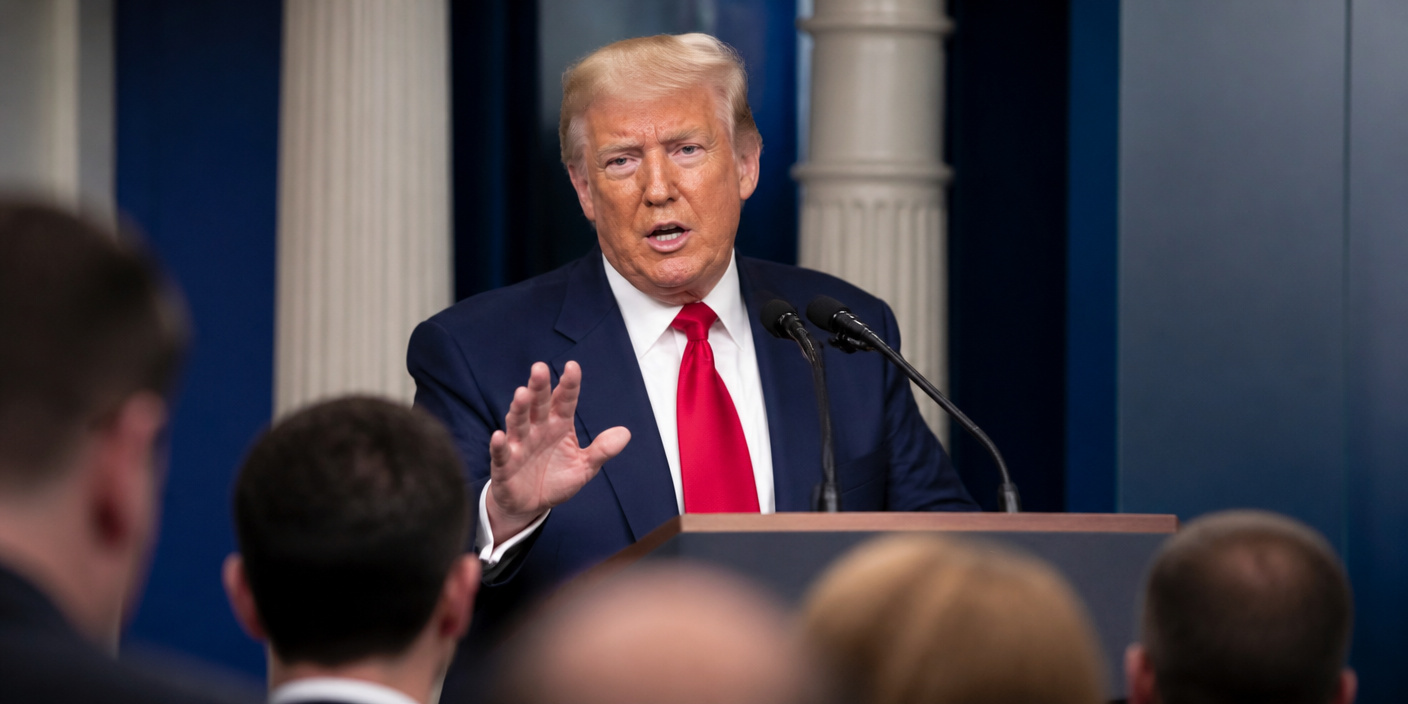
Former President Donald Trump issued a stark warning to Iran, stating that the United States will “finish the job” in dealing with the nation, whether through peaceful means or otherwise. The remarks, made during a recent campaign rally, signal a potential shift in US foreign policy and a return to a more assertive stance towards Tehran.
Key Highlights:
- Trump declared the US will “finish the job” with Iran.
- He indicated a preference for peaceful resolution but did not rule out other options.
- The statement suggests a potential toughening of US foreign policy under a future Trump administration.
- The remarks come amid ongoing global tensions and a complex geopolitical landscape in the Middle East.
Trump’s Assertive Stance on Iran
Former President Donald Trump has once again asserted a strong position regarding Iran’s international conduct. During a recent rally, he articulated a clear message: “We’re going to finish the job.” While he expressed a preference for a peaceful resolution to the ongoing issues, his statement carried an undeniable undertone of resolve, leaving the door open for more forceful measures if deemed necessary. This declaration harks back to his previous administration’s “maximum pressure” campaign against Iran, which aimed to curb its nuclear program and its regional influence.
Geopolitical Context and Historical Precedents
Trump’s rhetoric must be understood within the broader context of US-Iran relations, which have been fraught with tension for decades. The Islamic Revolution of 1979 marked a significant turning point, leading to a sustained period of animosity and mistrust. Trump’s “maximum pressure” policy, implemented after the US withdrawal from the Joint Comprehensive Plan of Action (JCPOA) in 2018, aimed to cripple Iran’s economy and force it back to the negotiating table. Critics argued that this approach led to increased regional instability, while supporters contended it was a necessary response to Iran’s destabilizing activities.
The “Finish the Job” Mandate


The phrase “finish the job” is a potent one, often employed by Trump to signify a commitment to seeing through initiatives or objectives that he feels were left incomplete. In the context of Iran, this could imply a variety of policy actions, ranging from re-imposing stringent sanctions to potentially more direct military or covert actions. The ambiguity, intentional or otherwise, serves to keep adversaries guessing and allies on alert. The former president’s approach has historically favored directness and a willingness to challenge established diplomatic norms.
Implications for Regional Stability
Such strong pronouncements from a prominent US political figure can have significant ripple effects across the Middle East. Iran, a key player in regional politics, is likely to view these statements with concern, potentially leading to heightened military postures or retaliatory actions. The delicate balance of power in regions like the Persian Gulf could be further destabilized, increasing the risk of miscalculation and escalation. International bodies and regional powers will be closely monitoring the situation for any concrete policy shifts or military movements.
Economic Ramifications
Should Trump’s administration adopt a more aggressive stance, the economic consequences could be substantial. Renewed or intensified sanctions would likely impact global oil markets, given Iran’s significant role as an oil producer. Furthermore, any escalation of tensions could deter foreign investment in the region and disrupt trade routes. The international business community will be keenly observing any developments that could affect supply chains or geopolitical risk premiums.
FAQ: People Also Ask
What does Trump mean by “finish the job” regarding Iran?
This phrase typically signifies his intention to fully implement policies and objectives that he believes were not completed during his previous term. In the context of Iran, it suggests a determination to address the issues he has with the country’s nuclear program, regional influence, and other foreign policy actions, possibly through more assertive means than currently employed.
Has Trump previously taken a strong stance against Iran?
Yes, during his presidency, Trump withdrew the US from the Iran nuclear deal (JCPOA) and implemented a “maximum pressure” campaign involving extensive economic sanctions aimed at curbing Iran’s nuclear ambitions and its support for militant groups in the region.
What are the potential consequences of a more assertive US policy towards Iran?
An escalation in US-Iran tensions could lead to increased regional instability, potential military confrontations, disruptions in global oil markets, and further economic hardship for Iran. It could also impact international diplomatic efforts to resolve various regional conflicts.
How might this statement affect ongoing nuclear negotiations or the JCPOA?
Trump’s “finish the job” statement, coupled with his past actions of withdrawing from the JCPOA, suggests a low likelihood of rejoining the deal in its current form. It signals a potential return to a policy of pressure rather than negotiation under the existing agreement, which could further complicate efforts to revive the deal.
What is the current state of US-Iran relations?
Relations remain highly strained, characterized by mutual distrust and periodic escalations. While direct diplomatic ties are non-existent, communication channels have historically been maintained through intermediaries. The US maintains sanctions on Iran, and both nations are involved in complex regional dynamics.